Is your child struggling with peer relationships? Explore the importance of social skill development, discover practical ways to foster empathy, and learn how parents can support healthy social growth.

Does Your Child Find Social Interactions Challenging?
As children grow, it's natural for parents to worry if their child struggles to connect with peers or frequently experiences conflicts in group settings. A child who prefers playing alone or appears uncomfortable interacting with others might be signaling a need for support in social skill development, rather than simply being 'introverted.' Social competence goes beyond mere friendliness; it encompasses a complex set of abilities, including a basic interest in others, a desire for communication, and the crucial capacity for 'empathy' – understanding and responding to others' emotions. Healthy social skills lay an essential foundation for a child to comprehend the world and build relationships as they mature. If your child is facing difficulties in peer interactions, it suggests that they need deep understanding and appropriate guidance from you to navigate their social world.

Understanding the Foundation: The Role of Empathy in Social Development
A cornerstone of social skill development in children is empathy. The ability to grasp another person's feelings and thoughts, and to respond appropriately, is vital for forming healthy relationships. Children who are still developing their social skills often have difficulty interpreting non-verbal cues or emotional expressions from others. This can lead to a decreased interest in communication itself, or they might hesitate because they're unsure how to react. However, empathy and the desire to communicate aren't solely innate traits. Much like learning a language, social skills can be continuously learned and honed through consistent interaction and exposure. Understanding why a child struggles in specific social situations is the first step toward effective support. It's not just about telling a child to 'go play with friends,' but about helping them comprehend others' perspectives and express their own thoughts and feelings constructively.
※ This post contains affiliate links. I may earn a commission at no extra cost to you.


Practical Strategies for Cultivating Social Competence
Fostering a child's social development requires a multifaceted approach. Here are some concrete strategies parents can implement at home:
- Empathy-Building Exercises: Use various books and storybooks to discuss characters' emotions. Ask questions like, "How do you think this character feels right now?" or "What would you do if you were this character?" This helps children practice imagining and understanding others' points of view. Using puppets or engaging in role-playing to explore and practice expressing different emotions can also be highly beneficial.
- Encouraging Communication: Initiate conversations around topics your child genuinely enjoys to help them experience the pleasure of communication. Listen attentively to their stories and provide ample opportunities for them to ask questions, guiding them to learn how to maintain a conversational flow. For example, talking about dinosaurs or space, subjects they love, can help them connect their 'curiosity' to 'questions.'
- Situational Practice: It's effective to role-play various social situations your child might encounter with peers (e.g., when a toy is taken, meeting new friends, disagreeing with a friend). During these simulations, guide your child on what to say and how to act appropriately. For instance, suggest, "How about saying this in that situation?" to offer concrete alternatives.
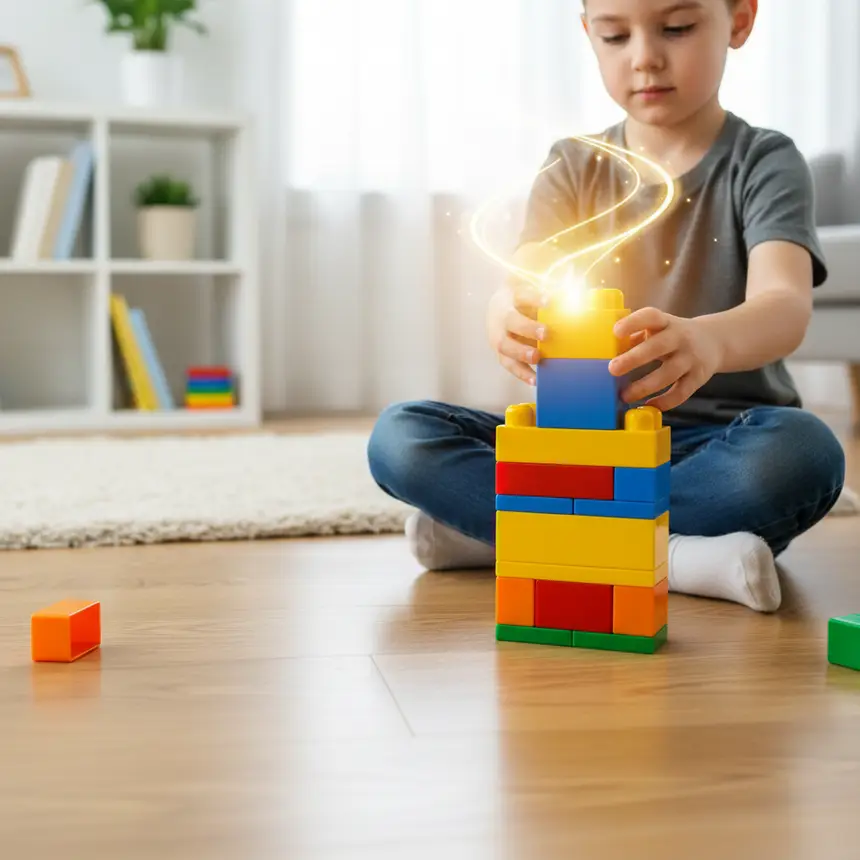
- Learning Social Rules Through Play: Encourage participation in board games or cooperative play activities that have shared goals. This provides opportunities to learn about following rules, taking turns, sharing, and collaborating. Through play, children naturally absorb the principles of social interaction and develop conflict-resolution skills. For example, during a block-building game, they can learn to negotiate who places a block next or share colors while drawing.

Everyday Tips for Fostering Social Skills at Home
The home environment is a child's first and most crucial classroom for learning social skills. Here are everyday tips that parents can consistently practice:
- Inspire Interest in Others: Frequently ask questions that encourage your child to show interest in friends or people around them. Questions like, "Are you curious about what your friend did at school today?" or "How do you think Grandma is doing these days?" provide opportunities for your child to think about the existence and lives of others.
- Parental Role Modeling: It's essential for parents to demonstrate empathy, treat others kindly, and observe social etiquette themselves. Children learn by observing their parents, so the way you interact within the family significantly impacts your child's social development.
- The Importance of Daily Conversations: Use meal times or walks together to create opportunities for open conversations about the day's events and associated feelings. Expressing emotions clearly and empathetically, such as "Mommy felt a little sad about that today" or "Your friend must have been really happy in that situation," helps in developing your child's emotional intelligence and social skills.
- Celebrate Small Social Wins: Encourage and praise your child for even minor positive social interactions. For example, if they share a toy with a friend or cooperate to complete a task, specific praise like "Your friend must have been so happy you shared" or "Working together made such a wonderful creation!" provides positive reinforcement for social behavior, building their confidence.

Supporting a Lifetime of Meaningful Connections
A child's social development isn't something that happens overnight; it's a gradual process that blossoms with consistent parental care, love, and appropriate support. There will be times when your child struggles with peer relationships or exhibits unexpected reactions, which can be disheartening or make you feel rushed. However, it's crucial to respect your child's unique developmental pace and offer abundant encouragement and praise for every small step forward. Social skills are vital for your child's success in school, for forming deep bonds with friends, and ultimately for growing into a healthy, contributing member of society. As parents, let's walk alongside our children on their journey of social development, ensuring they can build happy, meaningful relationships and communicate effectively with the world. With your steadfast support, your child will grow into a shining individual in society.
Frequently Asked Questions
Q: My child struggles to make friends. When should I start focusing on social skill development?
A: Social skill development begins early in childhood. Around ages 3-4, children start showing interest in peer interactions. This is a crucial time for parents to actively guide them. Encourage social skills naturally through play and conversations tailored to your child's developmental stage.
Q: How does fostering empathy help my child's social skills?
A: Empathy is a cornerstone of social competence, enabling children to understand and respond to the feelings and thoughts of others. Children with well-developed empathy can appropriately react to a friend's joy or sadness and are better equipped to resolve conflicts by considering different perspectives. This is vital for forming healthy, deeper peer relationships.
Q: Is it a concern if my child prefers playing alone rather than with others?
A: It's natural for children to sometimes prefer solitary play as part of their development. However, if your child consistently shows no interest in peer interaction or seems overly withdrawn when alone, they might benefit from social development support. Gradually increasing opportunities for peer contact, while respecting their comfort level, is generally a good approach.
Q: Does screen time affect my child's social development?
A: Excessive screen time can limit a child's opportunities to learn social skills through real-life interactions. One-sided media content may not effectively foster empathy or non-verbal communication skills. It's important to set appropriate screen time limits and ensure ample time for family conversations and peer play to support social development.
Q: Could a social skills program benefit my child?
A: Professional social skills programs can offer a structured environment for children to experience various social scenarios and systematically learn interaction techniques. They can be particularly helpful for children struggling with peer relationships, boosting their confidence and providing positive social experiences. When choosing a program, consider your child's personality and developmental stage.