Witness incredible language leaps in your two-year-old. Discover engaging interactive play methods and effective environment tips to help your toddler start talking and build a rich vocabulary.

Unlocking Your Two-Year-Old's Verbal Potential: A Period of Rapid Growth
Around their second birthday, toddlers enter a golden age of language development. During this time, children don't just acquire individual words; they begin to grasp simple sentences, express themselves, and their communication skills take a significant leap forward. It's also a crucial period for them to discover the joy of interacting and communicating with their parents. For instance, when a child presses a squeaky toy and exclaims 'Duck!' or points to an animal in a picture book and imitates its sound, it’s more than just making noise – it’s an active attempt to understand and express the world around them. This rapid linguistic transformation positively influences a child's cognitive abilities and social development, opening up a precious new world for both parents and children. If you're looking to effectively boost your child's language development, start by introducing engaging sound-making picture books or simple flashcards for them to explore together.
Cultivating a Language-Rich Environment Through Sound and Interaction
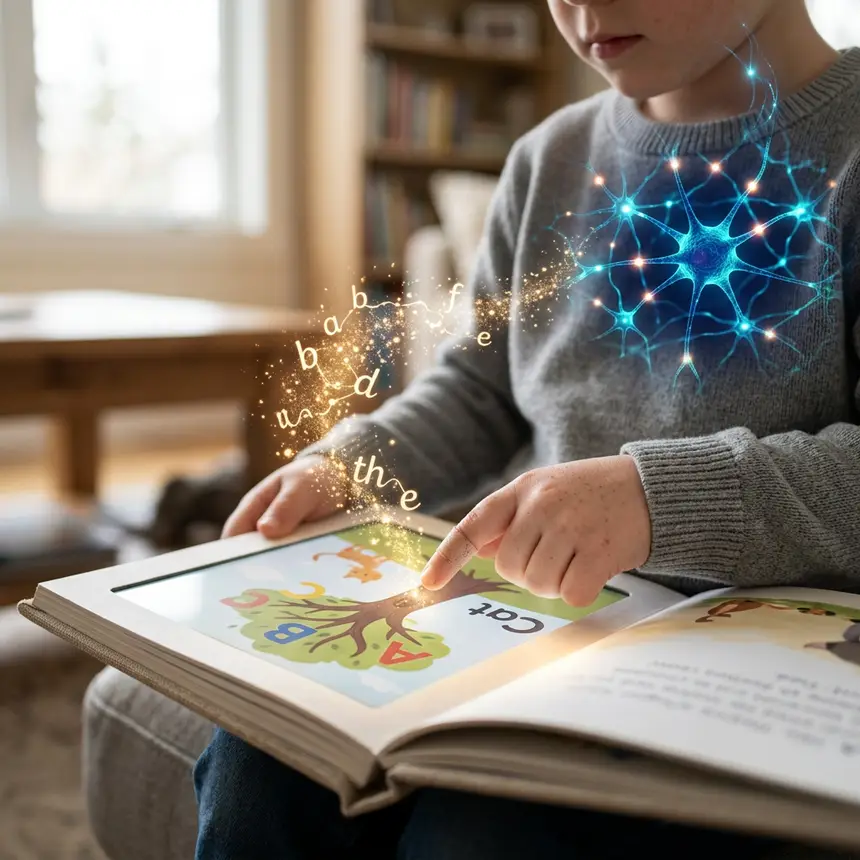
One of the most effective ways to help your toddler start talking is by creating an environment rich in sound stimulation and opportunities for interaction. Educational tools that play corresponding words or sounds when a specific picture or letter is touched can greatly spark a child's curiosity and enhance their focus. These tools often come packed with diverse content, including essential vocabulary, basic English words, catchy songs, and short stories, helping children stay engaged and explore for extended periods without getting bored. Furthermore, using tools with adjustable volume allows you to create an effective learning environment while protecting your child's hearing, adapting to different surroundings. Most importantly, active parental involvement is key. When your child hears a sound, it's beneficial for parents to repeat that sound, ask simple related questions, or add more context. For example, if your child touches a picture that makes a dog sound, you might expand the conversation by saying, 'Woof woof, it's a dog! Where do dogs live?' This kind of interaction not only expands a child's vocabulary but also helps them discover the joy of language, motivating them to speak more. Try to dedicate 10-15 minutes daily to reading sound-making picture books with your child, where you add extra explanations or ask questions about the pictures they touch.
※ This post contains affiliate links. I may earn a commission at no extra cost to you.

Smart Strategies and the Ideal Age for Fostering Language Development
Timing is crucial in a child's language development, but the key is consistent engagement tailored to their interest and developmental stage, rather than just starting early. Generally, the period between 18 and 30 months, particularly around the second birthday, is known as the 'language explosion' phase where toddlers absorb new words like sponges. Providing diverse language stimuli during this time positively impacts their linguistic growth. However, it’s vital not to rely solely on educational tools; expose them to language through natural conversations and play in everyday life. To keep your child engaged, periodically introduce new picture books or play methods, or connect the learning to characters or topics your child loves. Moreover, provide positive reinforcement and praise whenever your child shows interest in new words or expressions. This helps build their confidence in using language and encourages them to communicate more actively. Remember, every child develops at their own pace, so it's important to approach their language journey with patience and joy, rather than comparing them to others.
Frequently Asked Questions
Q. What's the most effective way to support my two-year-old's language development?
A. The most effective way to support language development in two-year-olds is through rich interaction. It's crucial for parents to actively engage in conversations, ask questions, and add explanations based on the child's responses while reading books or playing together. While sound-stimulating educational tools are helpful, direct conversation with parents remains the cornerstone of language development.
Q. How can I keep my toddler engaged with educational sound toys?
A. To keep your toddler engaged with sound-making educational toys, several strategies can help. First, rotate different toys with varied themes and content (words, songs, stories) to maintain novelty. Second, choose toys featuring characters or subjects your child already loves. Third, it's vital for parents to actively participate, expand the play, and engage in positive interactions based on the child's responses.
Q. When should I start introducing my child to a second language?
A. You can start introducing a second language early, but it's important to approach it as a natural part of play rather than forced instruction. It's recommended to start in a way that sparks interest, such as through English nursery rhymes, picture books, or simple English word games, ensuring it doesn't hinder their primary language acquisition. The key is to observe your child's interest and adjust accordingly.