Discover effective play-based strategies to help your child develop strong emotional expression and social skills. Guide your little one to recognize and articulate their feelings in a healthy way.

The Foundation of Connection: Why Emotional Expression Matters for Kids
Every parent hopes to see their child happily engaging with peers, clearly communicating their thoughts, and building meaningful relationships. A crucial element underpinning these abilities is a child's capacity for emotional expression and the development of their social skills. Young children often struggle to grasp and articulate the complex array of human emotions. Instead of words, frustration or anger might manifest as tears, tantrums, or even aggressive behaviors. This can be incredibly baffling for children themselves and often creates communication challenges for parents. For instance, a child might feel hurt or angry when a friend makes a teasing comment, but because they can't quite identify or name that feeling, they might withdraw or react impulsively. When children learn to accurately recognize their feelings and express them constructively, they can navigate social situations more smoothly, reduce misunderstandings, and foster richer interactions. Moreover, this foundational skill naturally enhances their empathy, equipping them to understand others' feelings and form deeper connections. As parents, our role is to actively support and guide our children in expressing their emotions honestly and healthily.

Engaging Activities to Nurture Emotional Regulation and Social Acuity
The most effective way for children to learn about emotions and build social competence isn't through rigid lessons, but through engaging play and creative art activities. Approaches that spark curiosity and encourage immersion are far more beneficial than conventional educational methods for fostering these crucial developmental skills.
Storytelling as a Gateway to Empathy
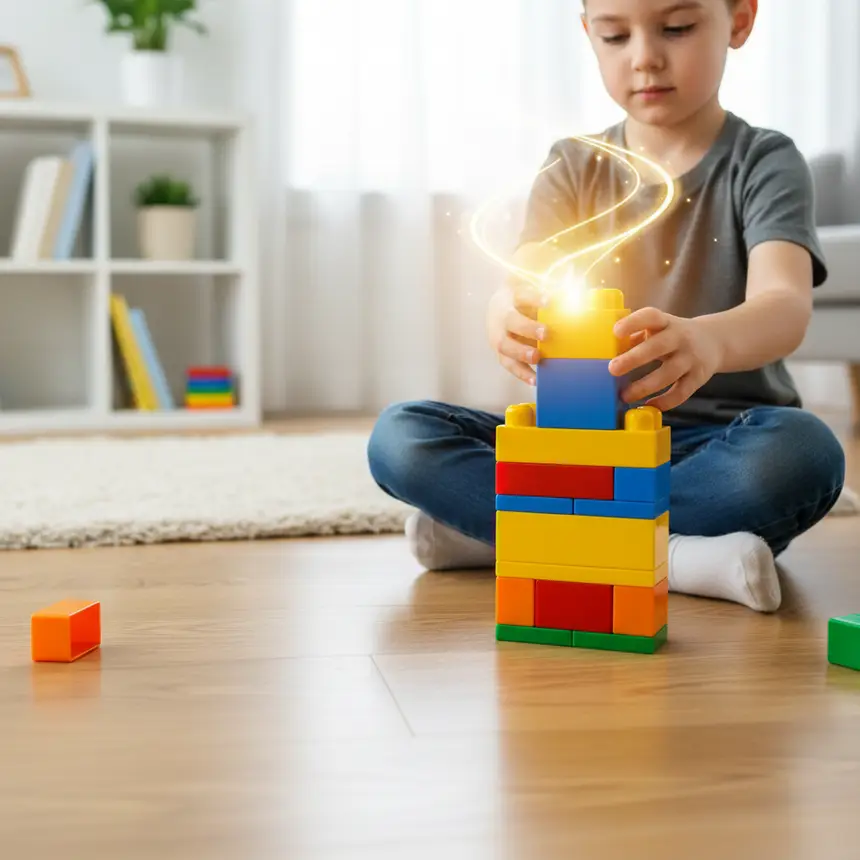
Introducing emotional language can begin with captivating stories. Imagine narrating a scenario where a child's carefully constructed block tower unexpectedly tumbles, leaving them visibly upset. You could describe the child saying, "My blocks fell down, and I feel really frustrated!" This helps illustrate the importance of verbalizing feelings. Encourage your child to guess the story character's emotions and ask, "What would you do if that happened to you?" Through this process, children learn to consider others' feelings, practice empathy, and organize their own emotions into words. Extending this to simple puppet shows or role-playing can provide an even more vivid and memorable experience.
Creative Arts and Sensory Play for Emotional Discovery
Art activities offer an excellent channel for children to visually express inner feelings that they might struggle to put into words.
Storytelling as a Gateway to Empathy
Introducing emotional language can begin with captivating stories. Imagine narrating a scenario where a child's carefully constructed block tower unexpectedly tumbles, leaving them visibly upset. You could describe the child saying, "My blocks fell down, and I feel really frustrated!" This helps illustrate the importance of verbalizing feelings. Encourage your child to guess the story character's emotions and ask, "What would you do if that happened to you?" Through this process, children learn to consider others' feelings, practice empathy, and organize their own emotions into words. Extending this to simple puppet shows or role-playing can provide an even more vivid and memorable experience.
Creative Arts and Sensory Play for Emotional Discovery
Art activities offer an excellent channel for children to visually express inner feelings that they might struggle to put into words.
- Exploring Emotion Faces: Look at cards or pictures featuring various expressions—happy, sad, angry, surprised. Discuss what each face conveys. Children naturally mimic these expressions, internalizing different emotional types and learning how to show them.
- Crafting Feeling Faces: Provide materials like cardboard, construction paper, or playdough. Ask your child to create an "angry face" or a "joyful face." As they manipulate eye shapes, mouths, and eyebrows, they explore the distinct characteristics of each emotion.
- Dynamic Mediums for Emotional Flow: Activities using translucent materials for drawing, or paper that changes shape in water (like rice paper), are fantastic. Just as paper softens and shifts when wet, children can visually experience that emotions are not fixed but flow and transform. This helps them understand the transient nature of feelings.
- Connecting Textures to Feelings: Explore materials with diverse textures—soft clay, slippery noodles, coarse sand. Connect these tactile experiences to specific emotions. For example, "When I'm angry, I feel as sticky and tangled as these noodles," or "When I'm happy, I feel as soft and cozy as this cotton." This multi-sensory approach enriches their emotional vocabulary.
※ This post contains affiliate links. I may earn a commission at no extra cost to you.


Guiding Principles for Parents and Age-Appropriate Engagement
A child's healthy emotional development isn't something that happens overnight. It requires consistent attention, unwavering support, and thoughtful guidance from parents.
Acknowledge and Validate Your Child's Feelings
It's crucial never to dismiss or minimize your child's emotions with phrases like, "It's nothing," or "Don't cry." Instead, validate their feelings by saying, "It looks like you're really upset because your toy broke," or "It sounds like you're angry because your friend pushed you." When children feel that their emotions are understood and respected, they gain a sense of security and the courage to express themselves more openly. It's also vital for parents to model healthy emotional expression. For instance, you might say, "Mommy is feeling a little frustrated right now because I can't find my keys," openly showing your own emotions and how you verbalize them.
Weave Emotional Education into Daily Life
Emotional learning shouldn't be confined to specific activity times; it should be integrated naturally throughout daily life. Read your child's favorite storybook and discuss the characters' feelings. While on a walk, speculate about what a passing dog might be feeling based on its body language. Consider having a "highs and lows" discussion at dinner, where everyone shares something good that happened and something that was a bit disappointing.
Appropriate Age and Consistent Approach
Active emotional education can generally begin around age two, as children start to experience a wider range of emotions and develop language skills. As they grow older, their emotional understanding and expression become more nuanced. Therefore, it's important to maintain consistent guidance from the preschool years through early elementary school. Every child develops at their own pace, so patience is key. Avoid rushing the process; instead, act as a guide, helping your child explore and comprehend their feelings rather than simply telling them the "right" answer.
Acknowledge and Validate Your Child's Feelings
It's crucial never to dismiss or minimize your child's emotions with phrases like, "It's nothing," or "Don't cry." Instead, validate their feelings by saying, "It looks like you're really upset because your toy broke," or "It sounds like you're angry because your friend pushed you." When children feel that their emotions are understood and respected, they gain a sense of security and the courage to express themselves more openly. It's also vital for parents to model healthy emotional expression. For instance, you might say, "Mommy is feeling a little frustrated right now because I can't find my keys," openly showing your own emotions and how you verbalize them.
Weave Emotional Education into Daily Life
Emotional learning shouldn't be confined to specific activity times; it should be integrated naturally throughout daily life. Read your child's favorite storybook and discuss the characters' feelings. While on a walk, speculate about what a passing dog might be feeling based on its body language. Consider having a "highs and lows" discussion at dinner, where everyone shares something good that happened and something that was a bit disappointing.
Appropriate Age and Consistent Approach
Active emotional education can generally begin around age two, as children start to experience a wider range of emotions and develop language skills. As they grow older, their emotional understanding and expression become more nuanced. Therefore, it's important to maintain consistent guidance from the preschool years through early elementary school. Every child develops at their own pace, so patience is key. Avoid rushing the process; instead, act as a guide, helping your child explore and comprehend their feelings rather than simply telling them the "right" answer.
Frequently Asked Questions
Q. How can I tell if my child is struggling to express emotions?
A. If your child frequently expresses feelings through tantrums, crying, aggression, or withdrawal rather than words, or if they exhibit extreme mood swings and difficulties interacting with peers, they might benefit from support in emotional expression.
Q. What's the best way to respond when my child is having an angry outburst?
A. First, validate their emotion by saying, "It seems like you're really angry." Then, help them calm down by offering a hug or guiding them to a quiet space. Once they've settled, discuss why they felt angry and explore healthier ways to express that emotion together.
Q. Besides dedicated activities, how can I teach emotional skills in daily life?
A. Read storybooks together and discuss the characters' feelings. Also, model healthy emotional expression yourself by openly verbalizing your own emotions, such as "Mommy feels tired right now and needs a break," to show how to put feelings into words.
Q. At what age should we start focusing on emotional education?
A. Emotional education can begin around age two, when children start to experience and verbalize a wider range of emotions. It's crucial to continue practicing with more complex and subtle emotions as they get older, through early elementary school and beyond.