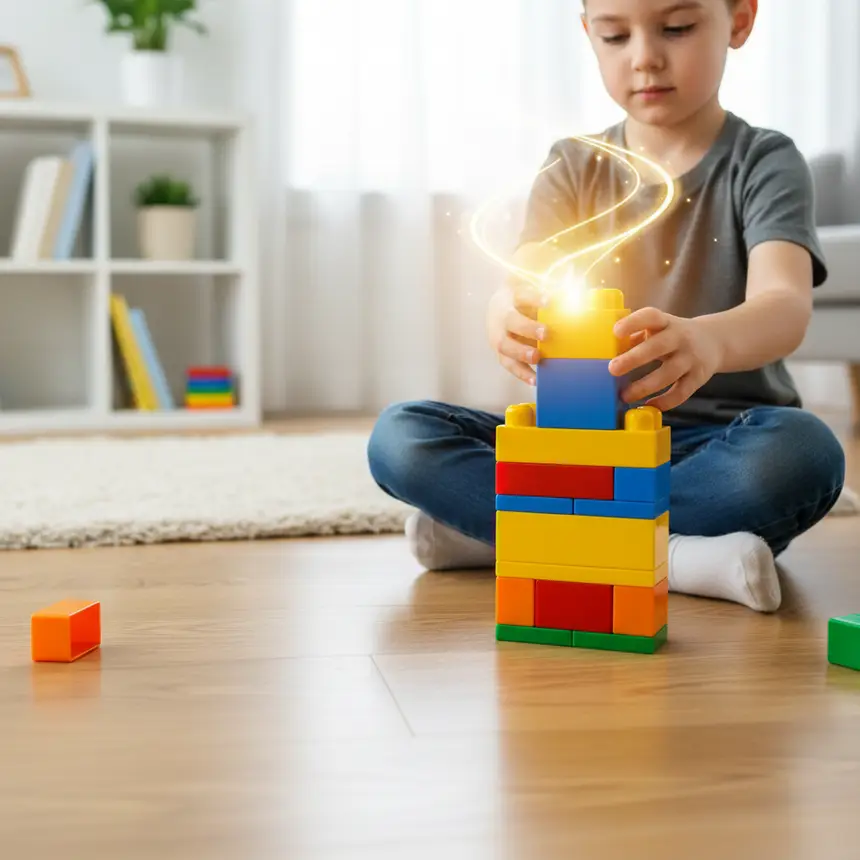
Understand the vibrant growth journey of your 5-year-old with practical parenting strategies for physical, cognitive, and social development. From kindergarten adjustment to learning through play, discover how to foster a happy and healthy growth environment together.

Navigating New Environments: A 5-Year-Old's Brave New World
At five years old, children often embark on their first major social adventures, like starting kindergarten or a new preschool program. This transition can bring a mix of excitement and apprehension. It's common to see initial tears, hesitation at drop-off, or even reluctance at home, as they cling to parents, not wanting to leave. These reactions are a normal part of processing new stimuli and learning independence. Parents' consistent support and warm understanding are crucial in helping children successfully navigate this period. The moments when a child begins to adapt, make friends, and find joy in their new routine bring immense satisfaction and pride to parents.

Developmental Milestones at 5: Harmonizing Mind and Body
Age five is a period of remarkable physical, cognitive, and social development. On average, children at this age typically stand between 40 to 43 inches tall and weigh around 33 to 42 pounds, reflecting a healthy growth trajectory that supports their active lifestyle and high energy levels. Their motor skills become more refined; a child who once relied on training wheels might now confidently ride a two-wheeler, and gross motor skills like running and jumping develop rapidly through various physical activities. Hand-eye coordination also improves, allowing them to engage deeply in art projects or fine motor play. Cognitively, they start to grasp basic addition, beyond just counting, and show a growing interest in reading and writing, recognizing letters and attempting to form simple words. Interactions with peers increase, as they participate in structured games and begin to resolve conflicts independently, fostering crucial social skills.
※ This post contains affiliate links. I may earn a commission at no extra cost to you.


Supporting Healthy Growth: The Triple Play of Nutrition, Activity, and Learning
For healthy development in 5-year-olds, a balanced diet, ample physical activity, and engaging learning experiences must work in harmony.
- Nutrition: Provide a diet rich in essential nutrients like protein, calcium, and vitamins, vital for growth energy. Focus on whole foods such as seasonal fruits, vegetables, whole grains, and lean meats, minimizing processed foods. Involving children in meal preparation, letting them touch and mix ingredients, can also help reduce picky eating.
- Physical Activity: Offer at least 60 minutes of active play daily. Activities like outdoor play, jumping rope, bike riding, or swimming contribute to gross motor skill development and strengthen the immune system. Indoors, fine motor activities like building blocks, drawing, or origami can enhance dexterity.
- Learning: Opt for play-based learning over forced instruction. Engage children with number games, letter matching, and reading aloud to naturally foster cognitive abilities. Art, music, and cooking activities can also positively influence creativity and emotional development.

Unlocking Potential: Practical Daily Strategies
To fully unlock a 5-year-old's potential, active parental involvement is key. Here are some practical strategies you can easily incorporate into your daily routine:
- Emotional Support: When your child feels anxious about new environments or struggles emotionally, acknowledge and validate their feelings. Reassuring words like, 'It's okay, Mom (or Dad) will be right here,' along with hugs, provide a sense of security. During challenging periods, like kindergarten adjustment, dedicate time after school to listen to their day's stories.
- Play-Based Learning: Provide a variety of play materials that encourage self-exploration and discovery. Creative blocks, puzzles, and role-playing props stimulate imagination and problem-solving skills. Introduce counting and letter recognition naturally through games.
- Consistent Routines: Adequate sleep is crucial for a child's growth and development. Establish a regular bedtime and wake-up schedule, and make bathroom visits before bed a routine to help reduce nighttime accidents.
- Accumulate Positive Experiences: Diverse experiences broaden a child's world. Create many happy memories through museum visits, camping in nature, or family sports activities. Supporting them in exploring hobbies like art, cooking, or physical activities they show interest in is also beneficial.

Age 5: The Magical Time of Growth and Joyful Parenting
Age five is a period of intense growth, where children learn and experience so much. They might sometimes surprise parents with unpredictable behaviors, and at other times, amaze them with incredible progress. Every moment is a precious part of their journey toward becoming healthy, independent individuals. Remember that each child develops at their own pace; it's important to respect and encourage their unique developmental stage rather than compare them to others. Within a nurturing environment of parental care and love, children build healthy bodies and minds, gaining the courage to explore the world. Celebrate each small achievement your child makes today, cheer on their bigger steps tomorrow, and fill this precious parenting journey with happiness.
Frequently Asked Questions
Q. What are the typical height and weight ranges for a 5-year-old?
A. On average, a 5-year-old child's height typically falls between 40 to 43 inches (approximately 100-110 cm), and their weight ranges from about 33 to 42 pounds (approximately 15-19 kg). However, individual growth rates and genetic factors vary, so these figures should be used as a reference point while observing your child's consistent growth patterns.
Q. How can I help my child who struggles to adjust to kindergarten or preschool?
A. If your child is having difficulty adjusting, first acknowledge and validate their anxious feelings. Before drop-off, talk about the fun activities planned for the day. When saying goodbye, make it brief and firm, reassuring them that you will return. After school, listen attentively to their stories and provide ample rest and playtime to help them feel emotionally secure.
Q. What are effective learning methods for a 5-year-old?
A. Play-based learning is most effective for 5-year-olds. It's crucial to foster their interest in learning naturally through activities like counting games, letter matching, drawing, or cooking. Encourage them to explore and discover independently, and offer generous praise and encouragement for their small achievements.
Q. What can parents do to support a child's social development?
A. To support your child's social development, create frequent opportunities for them to play with peers. Encourage participation in group activities and supervised playdates. When conflicts arise during play, observe and offer guidance, allowing them to try and resolve issues independently. Furthermore, being a role model by demonstrating respectful communication and consideration for others is very beneficial.
Q. Is nighttime bedwetting common at age 5?
A. It is relatively common for 5-year-olds to experience nighttime bedwetting, and in most cases, it resolves naturally as they get older. Establishing a routine of using the bathroom before bed and moderating fluid intake before sleep can be helpful. It's important to offer understanding and encouragement rather than scolding your child.