Discover effective, actionable strategies to boost your elementary schooler's concentration and build lasting confidence. Learn how daily activities and a supportive environment can unlock their full potential.

Your Child Can Achieve Laser Focus and Unwavering Confidence
Elementary school is a pivotal time when children develop crucial skills for exploring the world and learning. Enhancing concentration in elementary students is not just about academic success; it's deeply tied to problem-solving abilities, creative thinking, and forming a positive self-concept. Many parents worry if their child seems distracted or struggles with schoolwork. However, focus isn't solely innate; it's a skill that can be significantly developed through the right environment and consistent practice. When children experience the joy of deep engagement, learn perseverance through challenges, and trust in their boundless potential, they take the first step toward unlocking their full capabilities. To help your child grow into someone who values themselves and maintains confidence in any situation, let's explore effective, actionable strategies you can implement at home. These efforts will positively impact your child's overall learning and social-emotional development.

Everyday Strategies to Nurture Your Child's Brain Power
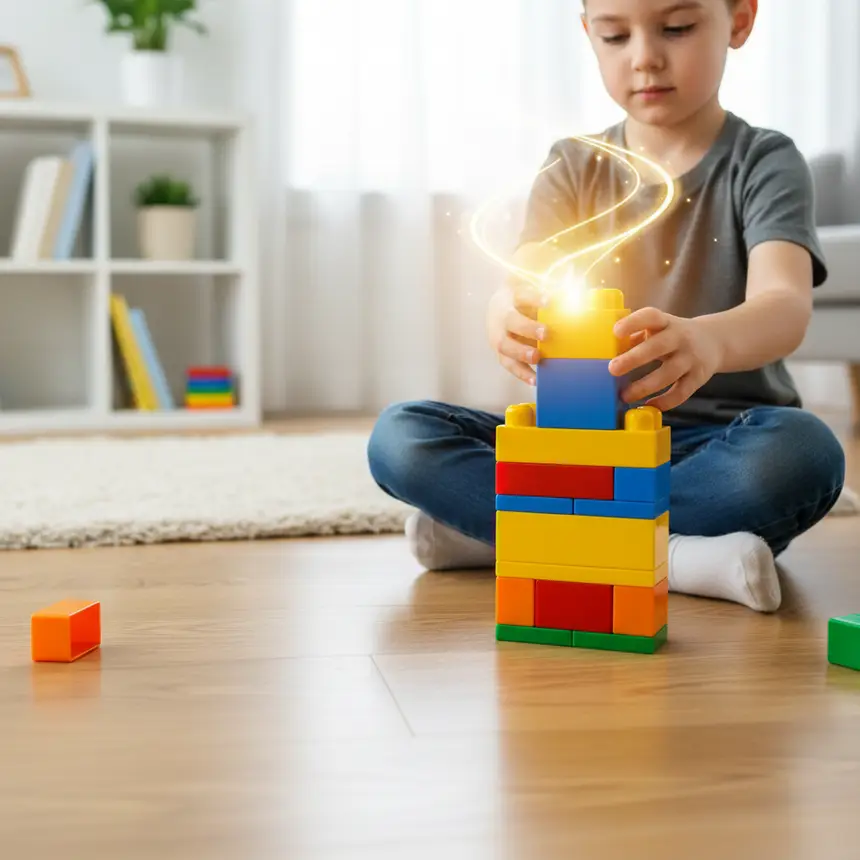
Boosting elementary school concentration and building confidence begins with specific daily practices that unleash your child's brain potential. First, engage in dynamic physical play and sensory stimulation to activate their brain. Outdoor activities that use large muscle groups, balance exercises like walking on a curb, or fine motor tasks such as building with blocks or drawing, all stimulate various areas of the brain. These activities positively impact a child's ability to focus. Furthermore, sensory play involving different textures or exploring sounds also contributes positively to a child's cognitive development. Ensure your child gets at least 30 minutes of active playtime daily, and encourage new experiences in nature on weekends. Second, cultivate a focused, self-directed learning environment. Age-appropriate cognitive games like puzzles, board games, or mental math challenges activate the brain and improve problem-solving skills. It's crucial to create an environment where your child can choose tasks and become immersed. For example, establish a dedicated 15-minute reading time each day or suggest project-based learning on a topic they're curious about. Minimize distractions like smartphones or TV during study time, and help them develop habits for learning in a quiet, organized space. Empower your child to plan their learning and experience small successes to build metacognition and boost their concentration. Third, strengthen their inner resilience through self-understanding and a positive attitude. Concentration and confidence stem from inner stability. Discussing emotions before bedtime or practicing short mindfulness exercises to regulate feelings can greatly aid a child's emotional development. Activities where children talk about and express their dreams and goals, like drawing them, instill a positive vision. Additionally, experiences like volunteering with family or helping others contribute to their self-esteem and foster social connections, which in turn helps maintain their focus.
※ This post contains affiliate links. I may earn a commission at no extra cost to you.


A Thoughtful Approach to Enhancing Your Child's Focus and Self-Belief
The journey of cultivating your child's concentration and confidence requires patience and consistency. Most importantly, it's crucial to understand and respect that every child develops at their own pace and has unique interests. Rather than rushing for results, support your child in fully experiencing the process of discovery and immersion. Offer choices instead of imposing activities, and provide ample praise for their efforts, not just outcomes, to reinforce positive behaviors. This parenting approach is beneficial for elementary school children of all ages, but it can be particularly effective for upper elementary students (ages 8-12) as they begin to develop abstract thinking and self-directed learning skills. Your warm interest and consistent encouragement will serve as a powerful engine for your child's growth.
Frequently Asked Questions
Q. Why is focus so important for elementary school children?
A. Developing strong focus in elementary school is crucial for academic success, problem-solving, creative thinking, and forming a positive self-concept. It's key for experiencing the joy of learning and building confidence.
Q. How can I tell if my child struggles with concentration?
A. If your child frequently has trouble starting or finishing tasks, gets easily distracted, struggles to follow multi-step directions, or often misplaces belongings, it might indicate concentration difficulties. However, always consider their age and temperament.
Q. What are some easy daily activities to improve a child's focus?
A. Engaging in puzzles, building with blocks, playing board games, or drawing intricate pictures can significantly boost focus. Regular outdoor play and short mindfulness exercises, like focusing on breath, are also very beneficial.
Q. What's the connection between confidence and a child's concentration?
A. Confidence fuels a child's willingness to tackle new challenges and persist through difficulties. When children believe in their abilities, they engage more deeply in learning, which in turn enhances their concentration, creating a positive feedback loop.
Q. What if my child isn't interested in these focus-boosting activities?
A. Instead of forcing them, try to discover activities that genuinely spark their interest. Incorporate focus-building elements into their favorite games or topics, and always celebrate their effort and small successes to build positive associations.