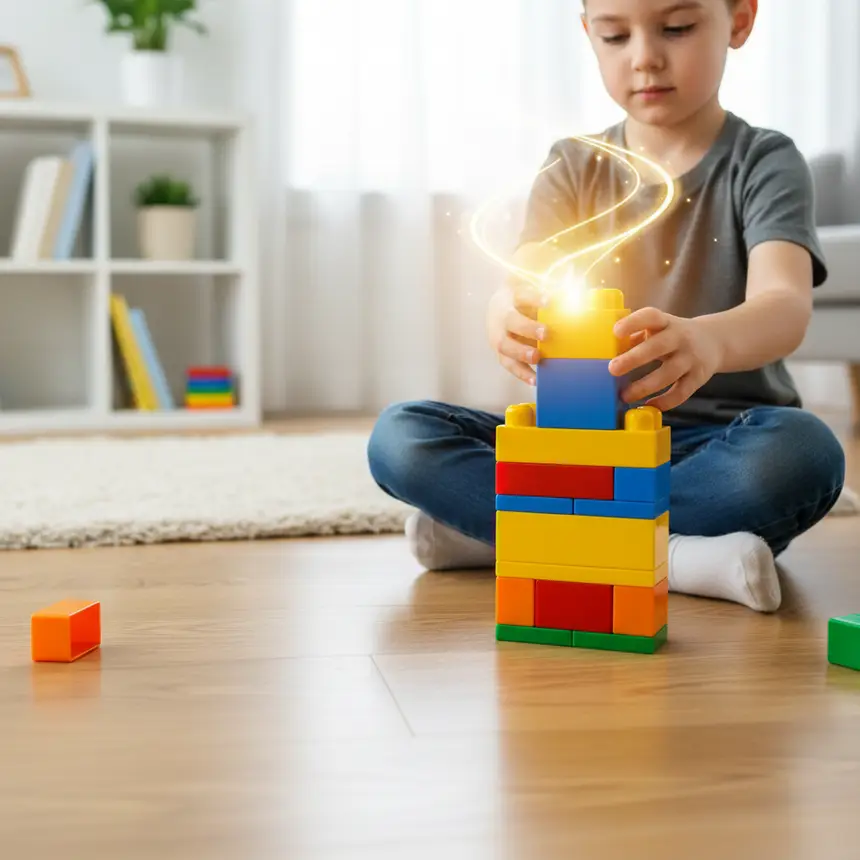
Concerned about your elementary child's memory and learning? Discover effective memory-boosting techniques and healthy habits to unlock your child's full potential and foster smarter learning skills.

Why Does My Child Keep Forgetting? Addressing Common Learning Concerns
Many parents observe their elementary-aged children struggling to retain information learned at school or during homework sessions. Developing memory in elementary students isn't just about absorbing facts; it's about understanding, effectively storing, and retrieving information when needed. A common reason children lose interest or feel frustrated with learning is their inability to truly internalize concepts, instead relying on fragmented recall. This concern can impact not only their academic performance but also their self-directed learning skills, necessitating thoughtful guidance and attention from parents.

Unraveling the Roots of Learning Challenges in Young Students
Several complex factors can contribute to children's difficulty in effectively remembering learning material. Firstly, passive and repetitive teaching methods that fail to spark interest can bore a child's brain, diminishing its capacity to process information. It’s like trying to fill a leaky bucket; no matter how valuable the content, if the brain isn't actively engaged, it won't retain the information for long. Secondly, daily habits such as insufficient sleep, nutritional imbalances, and a lack of physical activity can also impair brain function, negatively affecting memory and concentration. The brain actively organizes and consolidates information during sleep, and it maintains optimal performance through a healthy diet and regular movement. Understanding these fundamental causes is the starting point for effective memory enhancement strategies for elementary students.
※ This post contains affiliate links. I may earn a commission at no extra cost to you.


Unlocking Your Child's Memory: Engaging Learning Approaches
Children's memory can be significantly improved through engaging and enjoyable activities. Games like 'matching pairs' or remembering the location of specific objects can stimulate visual memory. Furthermore, visualizing images when learning new words or creating mind maps to connect central concepts can help organize information systematically and boost associative thinking. Crucially, instead of trying to memorize everything at once, 'spaced repetition'—revisiting learned material at increasing intervals—is highly effective for forming long-term memories. Incorporating songs for memorization or using physical movements to associate with words can also help children strengthen their memory without losing interest.Healthy lifestyle habits provide an essential foundation for memory improvement. Getting enough quality sleep each night plays a vital role in helping the brain organize and store information processed during the day, much like a computer defragmenting files overnight. A balanced diet rich in omega-3 fatty acids and antioxidants (e.g., fatty fish, nuts, berries) supports the health of brain cells. Regular physical activity increases blood flow to the brain, ensuring a steady supply of oxygen and nutrients, which positively impacts overall brain function and memory enhancement.

Empowering Lifelong Learners: Consistent Practice and Support
Fostering your child's memory is a continuous journey, not a short-term training program, best integrated into daily life. Create opportunities to apply learned concepts in real-world scenarios, such as memorizing a grocery list together or recounting the day's events in sequence. It’s essential to help your child understand the 'why' and meaning behind what they're learning, rather than just rote memorization. Parents play a crucial role in patiently encouraging their child to discover answers and internalize knowledge through their own thought processes. By exploring various methods to find what works best for your child and supporting them in building positive learning experiences, your child will develop not only a stronger memory but also problem-solving skills and become a self-directed learner.
Frequently Asked Questions
Q. My child forgets what they learned quickly. How can I help?
A. First, ensure your child understands the material, then try visualization techniques like association or mind mapping. Spaced repetition, where you review material at increasing intervals, is also very effective for long-term memory.
Q. What are some fun memory training methods suitable for elementary schoolers?
A. Engaging activities like card matching games or number/word recall games are great. Incorporating songs or physical movements to remember words can also keep children interested and boost their memory.
Q. Are there specific foods or lifestyle habits that can enhance my child's memory?
A. Absolutely! Adequate sleep (9-11 hours) and regular physical activity are crucial. For diet, consuming foods rich in omega-3 fatty acids (like fatty fish) and antioxidants (fruits, vegetables) supports brain health and memory function.
Q. When is the best time to start memory training with my child?
A. It's ideal to integrate memory-building activities naturally into daily life from an early age. Focus on making it an engaging process through play and real-life scenarios, rather than formal 'training' sessions.
Q. How can I help my child connect what they learn to real-life situations to remember it better?
A. Encourage them to apply learned concepts, like using math skills for a grocery budget or creating stories with new vocabulary. Providing opportunities to apply knowledge independently helps them build problem-solving skills and deepen understanding.