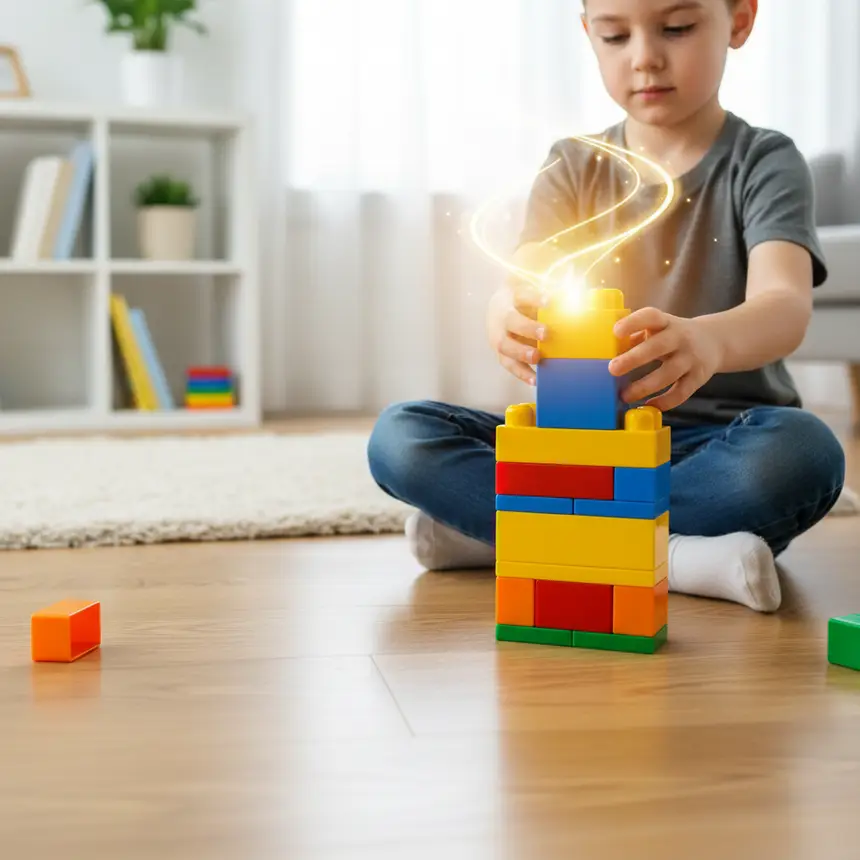
The age of four is a period of rapid development for children. Learn to recognize potential developmental delay signs in 4-year-olds and discover concrete strategies for early intervention to support your child's healthy growth.

The Impact of Early Observation and Support on Healthy Child Development
A child's fourth year is a pivotal period for shaping future potential. Rapid growth in language, social skills, and cognitive abilities makes attentive parental observation essential. When developmental delay signs appear early, proactive intervention is key to ensuring a child's healthy, positive long-term development.
Globally, the number of children needing developmental support is steadily rising. Experts highlight that early intervention is critical for children to reach their full potential and grow as healthy individuals. If developmental delays are suspected, it's always best to seek professional guidance promptly.
Globally, the number of children needing developmental support is steadily rising. Experts highlight that early intervention is critical for children to reach their full potential and grow as healthy individuals. If developmental delays are suspected, it's always best to seek professional guidance promptly.

Understanding 4-Year-Old Developmental Delays and Support Strategies
A child's development at age four is a complex yet crucial journey. General developmental milestones to observe during this period include:
Brain and Cognitive Development Support: Adequate intake of brain-beneficial nutrients like Omega-3s and vitamins is vital. Play-based cognitive activities such as building blocks and puzzles effectively boost concentration and problem-solving skills. Specific brain training techniques, by regulating brainwave patterns, can also aid in enhancing attention and focus.
Emotional Stability and Social Skill Cultivation: Understanding and empathizing with a child's emotions is key. Role-playing and peer interactions help cultivate social skills. Gentle stimulation of specific body points, for instance, can also contribute to mental relaxation and overall emotional well-being.
- Moving to music and regulating emotions.
- Handling simple tasks independently and forming bonds with friends.
- Engaging in purposeful conversations and calmly explaining thoughts.
Brain and Cognitive Development Support: Adequate intake of brain-beneficial nutrients like Omega-3s and vitamins is vital. Play-based cognitive activities such as building blocks and puzzles effectively boost concentration and problem-solving skills. Specific brain training techniques, by regulating brainwave patterns, can also aid in enhancing attention and focus.
Emotional Stability and Social Skill Cultivation: Understanding and empathizing with a child's emotions is key. Role-playing and peer interactions help cultivate social skills. Gentle stimulation of specific body points, for instance, can also contribute to mental relaxation and overall emotional well-being.
※ This post contains affiliate links. I may earn a commission at no extra cost to you.


Practical Strategies for Fostering Your Child's Development
If developmental delays are suspected in your 4-year-old, there are concrete steps parents can take at home:
1. Observation Journal & Professional Consultation: Keep a detailed record of your child's behaviors and language. Use this to consult with a pediatric developmental specialist for an accurate assessment and a customized support plan.
2. Structured Environment: Create predictable daily routines for stability. Regular times for meals, play, and sleep, along with designated play/learning spaces, help children focus.
3. Active Interaction & Language Stimulation: Engage in eye-level conversations, ask questions about their interests, and respond actively. Reading storybooks and singing songs are excellent for language development.
4. Play for Physical & Social Growth: Active play like ball games or hide-and-seek boosts gross motor skills and concentration. Role-playing with peers helps develop social skills and emotional regulation. Parental involvement is crucial.
1. Observation Journal & Professional Consultation: Keep a detailed record of your child's behaviors and language. Use this to consult with a pediatric developmental specialist for an accurate assessment and a customized support plan.
2. Structured Environment: Create predictable daily routines for stability. Regular times for meals, play, and sleep, along with designated play/learning spaces, help children focus.
3. Active Interaction & Language Stimulation: Engage in eye-level conversations, ask questions about their interests, and respond actively. Reading storybooks and singing songs are excellent for language development.
4. Play for Physical & Social Growth: Active play like ball games or hide-and-seek boosts gross motor skills and concentration. Role-playing with peers helps develop social skills and emotional regulation. Parental involvement is crucial.

Addressing Misconceptions and Adopting a Wise Parental Approach to Developmental Delays
Every child develops differently, so it's unwise to hastily judge developmental delays by simply comparing them to peers. However, it's equally crucial to avoid missing early intervention opportunities by thinking, 'they'll catch up later.' Timely parental attention and support are paramount.
- Early Observation is Essential: The 4-year-old stage is dynamic. While individual differences in language or physical development are normal, persistent signs like avoiding social interaction, repetitive behaviors, or significant language difficulties warrant professional help.
- Accurate Information & Professional Collaboration: Rely on trustworthy pediatric developmental specialists for accurate information rather than fragmented online sources. Collaborate to create an individualized support plan.
- Parental Psychological Support: Parents facing a child's developmental challenges may experience emotional difficulties. Seeking support from family or communities is vital for maintaining well-being.
Frequently Asked Questions
Q. How can I tell if my 4-year-old has developmental delays?
A. You might suspect a delay if your 4-year-old consistently lags significantly behind typical milestones in language, social, cognitive, or motor development (e.g., dancing to music, attempting emotional regulation, engaging in purposeful conversation). Consulting a professional for an accurate assessment is crucial.
Q. What's the first step if I suspect a developmental delay?
A. The first step is to carefully observe and document your child's developmental behaviors, then schedule a consultation with a pediatric developmental specialist or a pediatrician for a professional diagnosis and evaluation. Early intervention can have a profoundly positive impact on a child's development.
Q. Are there ways to support my child's brain development at home?
A. Yes, ensuring a balanced nutritional intake (including Omega-3s and vitamins) and consistently providing stimulating cognitive activities through play, such as building blocks, puzzles, and drawing, are beneficial. Creating an environment where your child can focus on activities they find engaging is also important.
Q. How can I help a child who is struggling with social development?
A. Teach social interaction skills through role-playing, providing opportunities for small-group peer play, and explicitly teaching emotional expression. Your empathetic understanding and warm support as a parent are the most vital elements.
Q. Are there specific educational methods for children with developmental delays?
A. It's most effective to collaborate with an educational specialist to create an individualized education plan tailored to your child's unique developmental level and needs. Helping them acquire new skills through repetitive, structured activities within daily life and providing positive reinforcement is crucial.