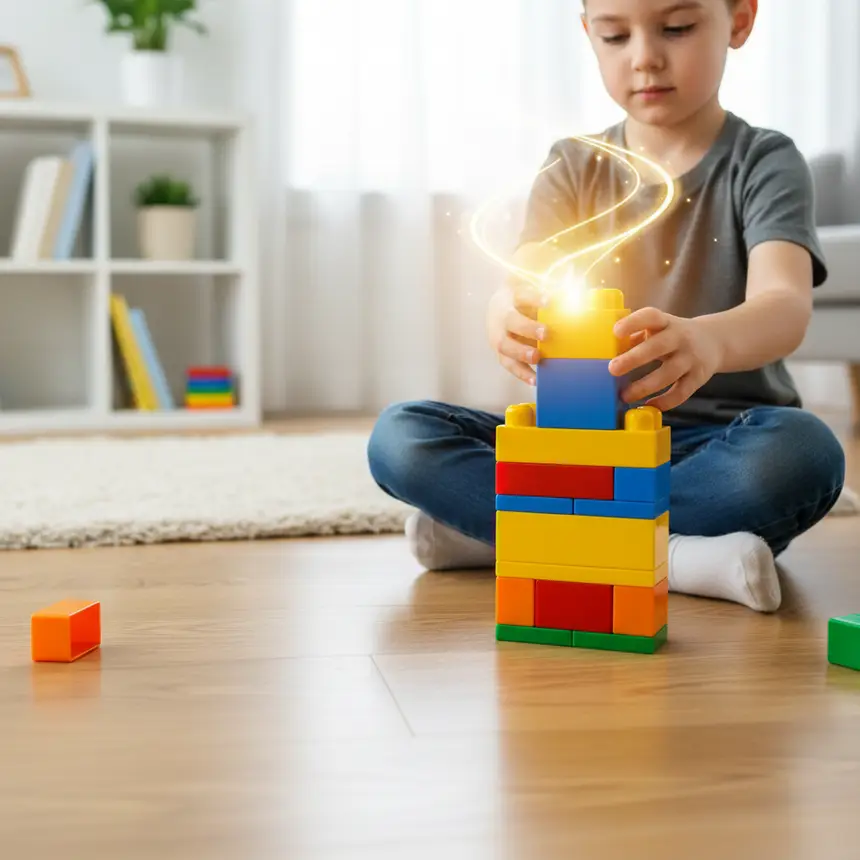
Are you looking for effective ways to simultaneously improve elementary school students' concentration and patience? Discover the positive impact of immersive, hands-on activities on children's brain development and emotional stability.

H2. Unleashing Your Child's Potential with the Power of Focus
In today's complex world, a strong ability to concentrate is a vital skill for children to truly shine. For elementary school students, concentration plays a crucial role not only in academic learning but also in developing problem-solving skills and creative thinking. It's more than just sitting still for a long time; it’s about deeply engaging with a specific task without being easily distracted by the surroundings. This kind of focus significantly boosts academic performance, fosters perseverance and patience in daily life, and helps children develop a self-directed learning attitude. Activities that utilize various senses and involve creating something with their hands are powerful tools that naturally guide children into this state of deep concentration. Through these experiences, children improve their hand-eye coordination, learn to understand complex instructions, and discover the joy of working steadily towards a goal. Ultimately, such immersive experiences stimulate brain development, instill courage to tackle challenging tasks, and contribute to overall life satisfaction.

H2. Hands-On Learning: Activities for Patience, Precision, and Enhanced Focus
One of the most effective methods to improve concentration in elementary school children is engaging them in hands-on, immersive activities. These activities help children develop fine motor skills and naturally learn to focus steadily on a single objective. For instance, working with clay or dough to create shapes offers children a unique experience. As they roll, stack, and meticulously attach pieces, children learn to precisely control their fingers and muscles. This activity goes beyond simple play, promoting the thought processes involved in planning, executing, and finding solutions when faced with unexpected challenges. The waiting period while the clay dries or is fired also teaches children patience and cultivates resilience as they learn from small failures and move on to the next step. Additionally, various activities that require precise hand movements—such as puzzles, intricate model building, origami, or knitting—have a highly positive impact on children's concentration and fine motor development. Parents should offer a range of hands-on activities that might pique their child's interest and encourage them to choose and engage deeply in what they enjoy.
※ This post contains affiliate links. I may earn a commission at no extra cost to you.


H2. Creating an Effective Environment and Recommended Ages for Focused Play
For optimal concentration development, merely choosing the right activity isn't enough; creating a conducive environment for your child to focus is equally important. - Minimize distractions: Set up a quiet, tidy space with minimal visual or auditory stimulation like TVs or smartphones. - Foster autonomy: Provide ample time for your child to choose activities and proceed at their own pace. Forced activities can diminish interest and backfire. - Offer positive encouragement: Praise and encourage their effort and immersion in the process, rather than just the final product, to build a sense of accomplishment. - Prioritize breaks: Avoid over-scheduling and ensure regular breaks to prevent fatigue. These types of activities are generally effective from around 5-6 years old, during the preschool years when fine motor skills are rapidly developing, and throughout the elementary school period. Younger elementary students, in particular, are often eager to learn new things and can develop a positive attitude towards learning through hands-on engagement. As they grow older, gradually introduce more complex activities that demand longer periods of concentration. Consistent engagement will help children grow not only in concentration and patience but also in their problem-solving abilities.
Frequently Asked Questions
Q. Why is concentration so important for elementary school children?
A. Concentration during elementary school is a fundamental skill crucial for academic success, developing problem-solving abilities, fostering creativity, and building self-direction in setting and achieving goals. It plays a significant role in helping children successfully navigate various challenges as they grow.
Q. My child seems to struggle with focus. What kind of activities might help?
A. Try introducing hands-on, immersive activities that pique your child's interest. Activities like clay play, puzzles, building blocks, drawing, origami, or simple knitting can effectively boost concentration naturally while also developing fine motor skills. Focusing on the effort and enjoyment of the process, rather than just the outcome, is key.
Q. Will forcing concentration activities have a negative effect?
A. Yes, forcing activities can lead to decreased interest and increased stress, which can be counterproductive. It's important to support your child in choosing activities independently and allowing them ample time to engage at their own pace. Encouraging their natural curiosity is far more effective than forcing participation.
Q. What are some simple concentration-boosting activities I can do at home?
A. Activities like sorting pantry items (beans, rice), a modified scavenger hunt for small objects, organizing toys by color or shape, creating a story through drawings, or helping with simple cooking tasks are great. These activities can help develop concentration naturally within daily routines.