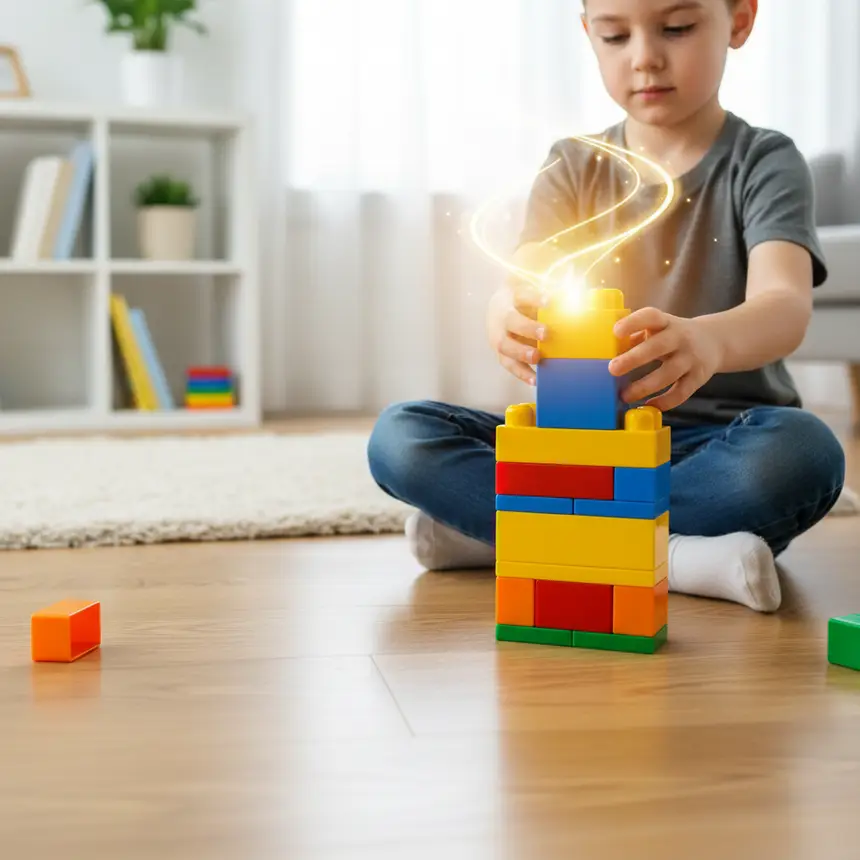
A guide for parents concerned about their elementary schooler's lack of focus. Understand the importance of brain health and emotional regulation for child concentration, and discover practical daily strategies.

H2. Why Can't My Child Focus? A Common Parental Concern
Many parents find themselves constantly worrying when their elementary school-aged child struggles to concentrate for more than a few minutes. Whether it's homework or even a favorite game, their attention seems to wander quickly. This lack of sustained focus isn't just a matter of willpower; it's a widespread challenge affecting countless young students today. Difficulty concentrating can impact academic performance, social interactions, and even their developing self-esteem. How can we truly help children improve their focus? To find effective solutions, it's essential to understand the underlying mechanisms in the brain that govern attention and emotion.

H2. Emotional Waves: How Brain Activity Can Undermine Concentration
Deep within our brains lies a crucial area responsible for processing and storing emotions. This region plays a pivotal role in handling feelings like joy, sadness, anger, and fear, and it's also fundamental for learning and motivation. The challenge arises when these emotions significantly influence a child's ability to concentrate. Negative emotions or stress, once stored, can be repeatedly triggered when similar situations arise. For instance, a child who had an embarrassing moment during a presentation might experience anxiety every time they face a similar situation, making it hard to focus. These recurring emotional surges can destabilize brainwaves and deplete the energy needed for absorbing and processing new information. Unexpressed emotional discomfort can silently hinder a child's brain from fully realizing its potential over extended periods. Therefore, improving a child's concentration fundamentally requires understanding these emotional dynamics and helping them achieve emotional equilibrium.
※ This post contains affiliate links. I may earn a commission at no extra cost to you.


H2. Everyday Strategies to Enhance Focus and Emotional Stability in Children
Implementing specific strategies in daily life can significantly help children improve their concentration and foster emotional stability. Consistency is key, rather than searching for quick fixes.
- Promote Physical Relaxation and a Stable Environment: Before starting any activity or study session, it's vital to help your child feel at ease. Light stretching, deep breathing exercises, or a brief conversation with a parent can help release tension. Additionally, maintaining a tidy study space and minimizing distractions can create a conducive environment for focus. A brain that feels psychologically comfortable operates much more efficiently.
- Cultivate Positive Imagination: A child's brain often doesn't clearly distinguish between reality and imagination. We can leverage this by encouraging positive visualization. For example, ask them to imagine successfully completing a presentation or solving a challenging problem. Even a simple smile and engaging in joyful imagination can stimulate positive emotions and activate their brain.
- Teach Emotional Recognition and Healthy Expression: It is crucial to teach children how to correctly identify and express their feelings. Ask, “How are you feeling right now?” and validate their emotions. Guide them to express anger or sadness in healthy ways rather than suppressing these feelings. When children learn to recognize and regulate their emotions, they gain the power to focus on positive information instead of being overwhelmed by negative feelings. This skill is vital not just for concentration but also for leading a self-directed life.

H2. Nurturing Your Child's Potential Through Consistent Effort
Improving a child's concentration is not an overnight miracle; it requires sustained and consistent effort, with parents' patience and support playing a crucial role. Remember that a balanced diet, adequate sleep, and regular physical activity are also essential for a child's brain health and emotional well-being. Small, daily habits accumulate to build a healthier brain, helping children unlock their full potential, including improved focus. As children develop the ability to understand and regulate their emotions, their academic performance, social skills, and self-esteem will naturally grow in tandem. Providing this solid foundation for children to lead their lives proactively is at the heart of this entire process.
Frequently Asked Questions
Q. Why is concentration so important for elementary school children?
A. Concentration during elementary school is crucial for learning, problem-solving, creativity, and social development. Good focus enables children to absorb new information effectively, complete tasks proficiently, and positively impacts their self-esteem.
Q. My child seems to lose focus more when they're anxious or stressed. Why is that?
A. The brain's emotional processing centers become highly active when experiencing negative emotions like anxiety or stress. If these emotional stimuli are excessive, they can impair cognitive functions, making it difficult for the child to concentrate on learning or tasks. Training to stabilize these emotions can be very helpful.
Q. How does positive imagination help with a child's concentration?
A. The brain often has difficulty distinguishing clearly between real experiences and imagination. Through positive visualization, a child can train their brain as if they've genuinely had successful experiences, which boosts confidence and triggers positive emotions, thereby enhancing concentration.
Q. My child struggles to express their emotions. How can I help?
A. It's important to help children verbalize their feelings. Methods like using emotion cards, drawing, or parents modeling by talking about their own emotions can be effective. An attitude of acknowledging and empathizing with their feelings can encourage a child to express themselves honestly.