Worried about your child's declining vision from screen time? Discover the crucial signs of childhood myopia, effective daily habits for eye health, and professional strategies to support your child's developing eyesight.

Subtle Cues: Don't Overlook Your Child's Vision Signals
As parents, we often observe our children closely. You might notice your little one leaning closer to the TV, squinting at their storybook, or frequently rubbing their eyes. These seemingly minor habits can spark concern, making us wonder if their eyesight is changing. Young children, especially, might not articulate their discomfort clearly, placing the responsibility on us to be vigilant. Recognizing these early signs and promptly addressing such changes is the first step in safeguarding their developing vision during critical growth phases.
The Rising Challenge: Childhood Myopia in the Digital Age
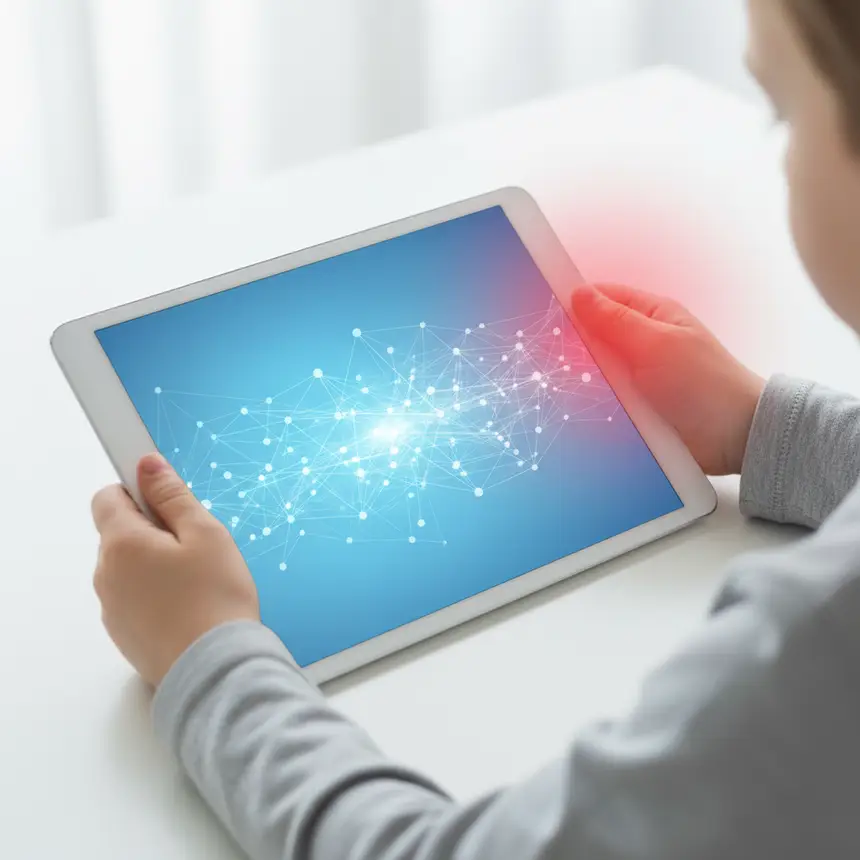
In today's digital world, kids' eyes face unprecedented challenges. With pervasive access to smartphones and tablets, prolonged near-work and increased indoor time contribute significantly to childhood myopia developing earlier and progressing faster. Unlike adults, a child's eyes are still growing, which means any vision changes, particularly myopia in kids, can accelerate rapidly. Unmanaged myopia in childhood can lead to severe nearsightedness as they mature, increasing the risk of serious adult eye conditions like retinal detachment, glaucoma, and macular degeneration. Understanding these risks highlights the urgency of proactive screen time impact management and early intervention when vision changes are detected.
※ This post contains affiliate links. I may earn a commission at no extra cost to you.

Holistic Strategies for Optimal Children's Eye Health
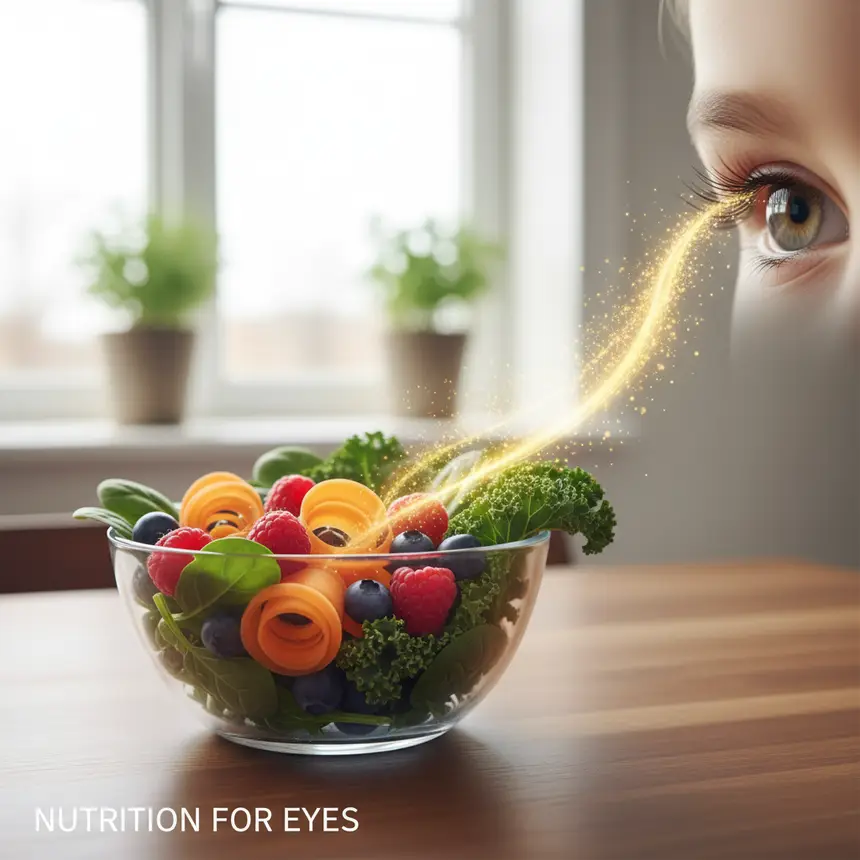
Protecting your child's vision involves a comprehensive approach to slow myopia progression and reduce eye strain. Start by integrating healthy habits: encourage at least 1-2 hours of outdoor play daily, allowing eyes to focus on distant objects and benefit from natural light. When reading or studying, ensure proper posture and implement the '20-20-20 rule' – every 20 minutes, look 20 feet away for 20 seconds to rest their eyes. Nutritional support is also vital. A diet rich in vitamins A, C, E, lutein, and Omega-3 fatty acids helps maintain children's eye health. If vision concerns persist, a professional eye examination is key. An optometrist can suggest personalized management plans, which might include specialized vision correction tools.

Specialized Overnight Lenses: A Proactive Approach to Myopia in Kids
One innovative method to help manage the progression of myopia in kids involves specialized contact lenses worn overnight. These lenses gently reshape the cornea while your child sleeps, allowing for clear vision throughout the day without the need for glasses or daytime contacts. This can be particularly beneficial for active children. These specialized lenses are generally considered for children aged 6 and older, provided they demonstrate the maturity for proper hygiene and handling. A thorough pre-assessment by an eye care professional is essential to evaluate corneal thickness, curvature, and tear film. Rigorous hygiene is paramount: consistent hand washing and daily lens cleaning are critical to prevent infections. While an initial adjustment period is typical, consistent, daily use is crucial for long-term childhood vision care. The effects are reversible, so continuous wear is necessary.

Investing in Children's Eye Health for a Brighter Future
Watching your child's vision decline can be concerning for any parent. However, in our modern environment, actively safeguarding children's eye health has become a necessity. With screen time impact being an integral part of daily life, our children's eyes require more delicate attention than ever. There are various effective strategies, from lifestyle adjustments and balanced nutrition to professional interventions, that can help slow myopia progression and keep their eyes healthy. By exploring these approaches and consulting with an eye care specialist, you can find the best path for your child. Regular eye check-ups and ongoing dialogue with a professional are the most reliable investments in your child's childhood vision care. These small, consistent efforts today will help ensure a clear and bright future for their eyes.
Frequently Asked Questions
Q. Is my child watching screens too closely a sign of vision problems?
A. Yes, consistently watching screens from a very close distance, or frequently rubbing and squinting their eyes, can be key indicators of early myopia. If you notice these changes, it's wise to consult an eye care professional for a comprehensive check-up.
Q. How is childhood myopia different from adult myopia?
A. Myopia in children is distinct because their eyes are still growing, causing the progression of nearsightedness to be much faster. Unlike adult myopia, childhood myopia has a higher risk of developing into high myopia, which can lead to more severe eye conditions later in life.
Q. Why is outdoor activity important for my child's eye health?
A. Outdoor activity helps reduce eye strain through exposure to natural light and encourages distance viewing, which relaxes the eye's focusing muscles and can help slow down myopia progression. Aim for at least 1-2 hours of outdoor time daily.
Q. What is the recommended age for children to start using specialized overnight lenses?
A. Generally, children aged 6 and older may be considered for overnight lenses. However, suitability depends on several factors, including the child's corneal health, their ability to manage lens hygiene, and sufficient sleep duration. A thorough consultation with an eye care professional is crucial.
Q. My child's vision is already quite poor; can these lenses still help?
A. Specialized overnight lenses primarily focus on slowing down the progression of myopia. If your child already has a high degree of nearsightedness, their effectiveness might be limited. It's best to consult an eye care specialist to determine the most appropriate management plan for your child's current eye condition.