Worried about drool rash and eczema on your little one's delicate skin? Discover effective strategies to soothe and manage sensitive baby skin with proper hydration and gentle care routines. Start building healthy skin habits for your baby today.

Unexpected Skin Woes: A Parent's Journey
Before becoming a parent, I imagined my baby's skin would always be as soft as a cloud and utterly flawless. The reality, however, often tells a different story. Have you ever been startled to find tiny bumps, or red, irritated patches suddenly appearing on your baby’s cheeks and chin? It’s a common experience for many parents, as infant skin is far more sensitive and delicate than we often anticipate, reacting easily to even minor irritations. Especially during the oral exploration phase or when solids are introduced, babies tend to drool a lot, keeping their mouth area consistently damp. One day, you might notice those tell-tale red marks spreading around their mouth and jawline, and a wave of concern washes over you. Initially, you might think a quick wipe is all it takes, but often, these irritations persist or even worsen, becoming a persistent puzzle in your parenting journey.
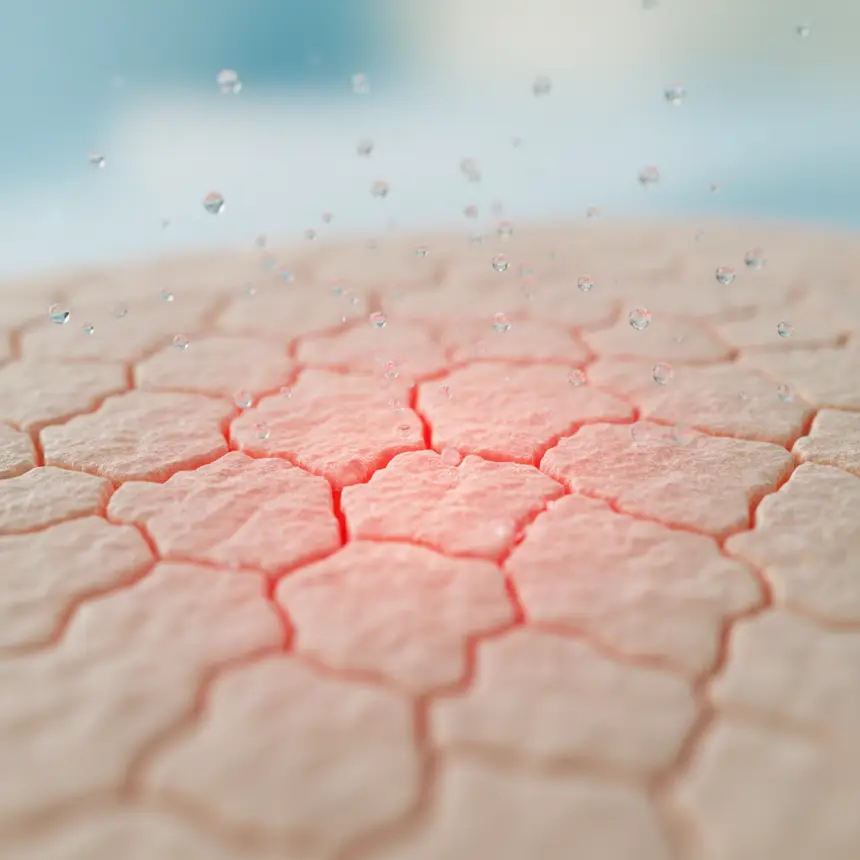
Understanding Baby's Sensitive Skin: Why Irritations Occur
A baby's skin is fundamentally different from an adult's; its protective barrier is not yet fully developed, making it highly susceptible to external triggers. This thin, fragile barrier easily loses moisture and reacts sensitively to minor friction or substances. As babies enter the "oral stage," their saliva production significantly increases as they explore the world with their mouths. When saliva repeatedly accumulates and dries around the mouth, it can compromise the skin's natural protective layer, leading to redness and inflammation. Imagine the skin constantly being exposed to moisture and then drying out—it's like having wet clothes rub against your skin repeatedly, causing chafing. Adding to this, friction from bibs, the baby's own hands, or teething toys can exacerbate the issue, causing redness to spread from the mouth area to the chin and cheeks. In more severe cases, the skin might become rough, dry, or even develop small blisters, highlighting why early and correct management is so crucial.
※ This post contains affiliate links. I may earn a commission at no extra cost to you.

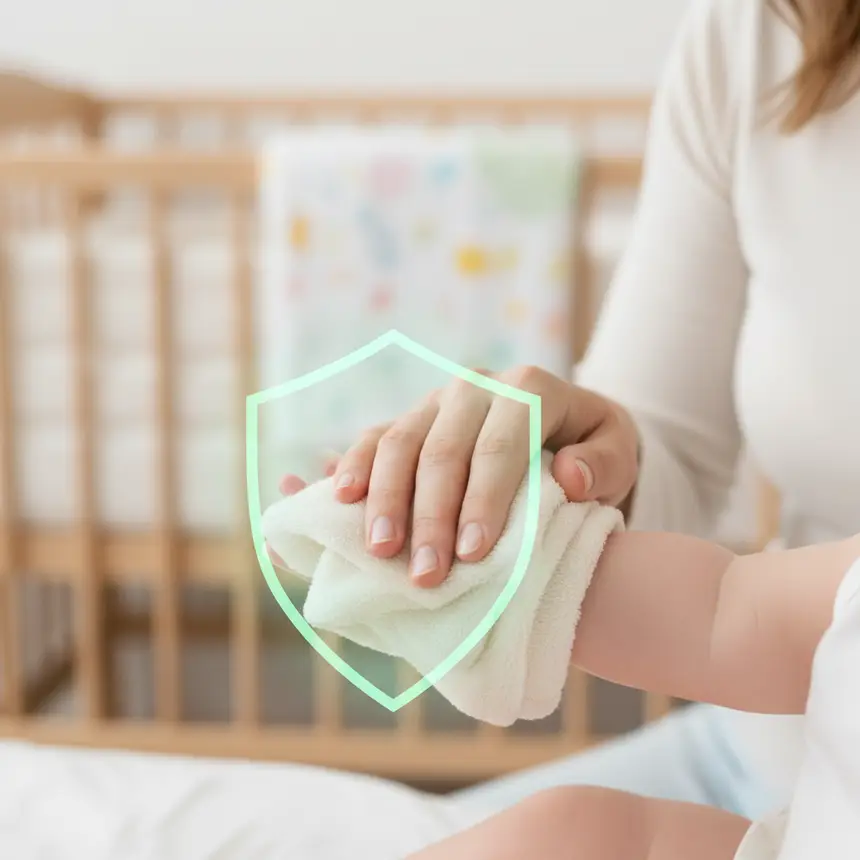
Effective Principles for Soothing and Protecting Baby's Skin
To alleviate discomfort and restore your baby's skin health, the core strategy lies in maintaining cleanliness and robustly supporting the skin's natural protective barrier. This approach goes beyond simply wiping away drool; it's about nurturing the skin's inherent resilience. Parents should first prioritize gentle, non-irritating cleansing, followed by consistent moisturizing to fortify the skin barrier. Vigorously rubbing away wet drool with a dry cloth can actually worsen irritation by creating unnecessary friction. Instead, it’s far better to use a soft cloth or gauze, slightly dampened with clean water, to gently pat and blot away saliva and impurities. Before the skin has a chance to fully air dry, applying a suitable moisturizer is key. Furthermore, after meals or snacks, lightly rinsing the baby's face with water or wiping with a damp gauze is more beneficial for reducing skin irritation than just using wipes.

A Step-by-Step Routine for Healthy Baby Skin Daily
Maintaining your baby’s skin health requires a consistent daily routine. This routine can be effectively broken down into three key stages: First, gentle cleansing. Opt for a mild, pH-balanced cleanser during bath time, avoiding harsh chemicals. Use soft foam and rinse thoroughly with lukewarm water, quickly transitioning to moisturizing. Second, ample moisturizing and soothing. Immediately after bathing, apply a generous amount of a high-quality, gentle baby moisturizer before the skin fully dries. Look for formulations with botanical extracts (like rosemary or centella asiatica) for added soothing benefits, and choose one that's not too heavy but provides long-lasting, fast-absorbing hydration. Third, targeted localized care. For areas particularly affected by irritation or eczema, apply a specific spot-treatment product in a thin layer, providing an extra protective film against irritants. Convenient, portable sizes are ideal for on-the-go reapplication. Consistent adherence to these steps will likely show a noticeable improvement in your baby's skin condition.
Nurturing Baby's Skin with Consistent Love and Care
It's utterly natural for parents to feel a pang of worry when redness or irritation appears on their beloved baby's face. However, it's reassuring to remember that these skin issues are a common part of many babies' developmental journey. The key is not to panic but to manage them with consistent and appropriate methods. Simple habits, like gently blotting away drool and providing ample protection with a suitable baby moisturizer, accumulate to foster healthy skin. A baby’s skin thrives best under a parent's attentive care and watchful eye. If, despite implementing these daily care habits, the symptoms worsen, or if you notice severe conditions like oozing or blisters, please do not hesitate to seek professional help from a pediatrician. Ensuring your baby's healthy growth by being their constant guardian is indeed the most precious task.
Frequently Asked Questions
Q. Why do babies get drool rash?
A. Babies have a fragile skin barrier and produce a lot of saliva, especially during the oral exploration phase or when starting solids. When saliva stays on the skin around the mouth for extended periods, it irritates and weakens the skin, leading to drool rash.
Q. My baby's skin is red; how should I manage it at home?
A. First, gently clean the area with a soft, water-dampened cloth to remove saliva or food residue. Then, apply a generous amount of moisturizer before the skin fully dries to strengthen its protective barrier.
Q. What kind of moisturizer should I choose for my baby's sensitive skin?
A. Look for mild, pH-balanced products that contain natural extracts or ingredients known to soothe skin. Choose a moisturizer that is hypoallergenic, provides long-lasting hydration, and is suitable for sensitive baby skin.
Q. When should I take my baby to the doctor for skin irritation?
A. If the redness intensifies, the skin becomes rough, or if you notice oozing, blisters, or any other signs of worsening condition despite home care, it's safest to consult a pediatrician for professional advice and diagnosis.
Q. Are drool rash and eczema the same thing?
A. Drool rash is a type of irritant contact dermatitis caused by saliva. Eczema (atopic dermatitis) is a broader term for inflammatory skin conditions. Severe drool rash can sometimes present with symptoms similar to eczema.