Discover how to power up your active elementary schooler with smart snack choices. Learn about low-sugar nutritional bars that provide essential nutrients, boost energy, and enhance focus. Get practical strategies for satisfying after-school hunger and bridging meal gaps.

The "I'm Hungry, Mom!" Chorus: Solving the After-School Snack Dilemma
The sound of little feet bursting through the door, followed by an enthusiastic "Mom, I'm hungry!" is a familiar melody in many households with elementary school children. As kids navigate busy school days and extracurricular activities, their energy demands skyrocket. The gap between lunch and dinner often leaves them ravenous. For parents, the challenge isn't just about curbing immediate hunger, but ensuring these crucial mid-day bites contribute positively to their child's rapid growth and development. What kind of healthy elementary school snacks can sustain their activity levels and aid their focus? The answer lies in low-sugar nutritional bars that smartly deliver essential nutrients for a child's growth and development.
The Hidden Downsides of Common Kids' Snacks: Sugar Spikes and Nutritional Gaps
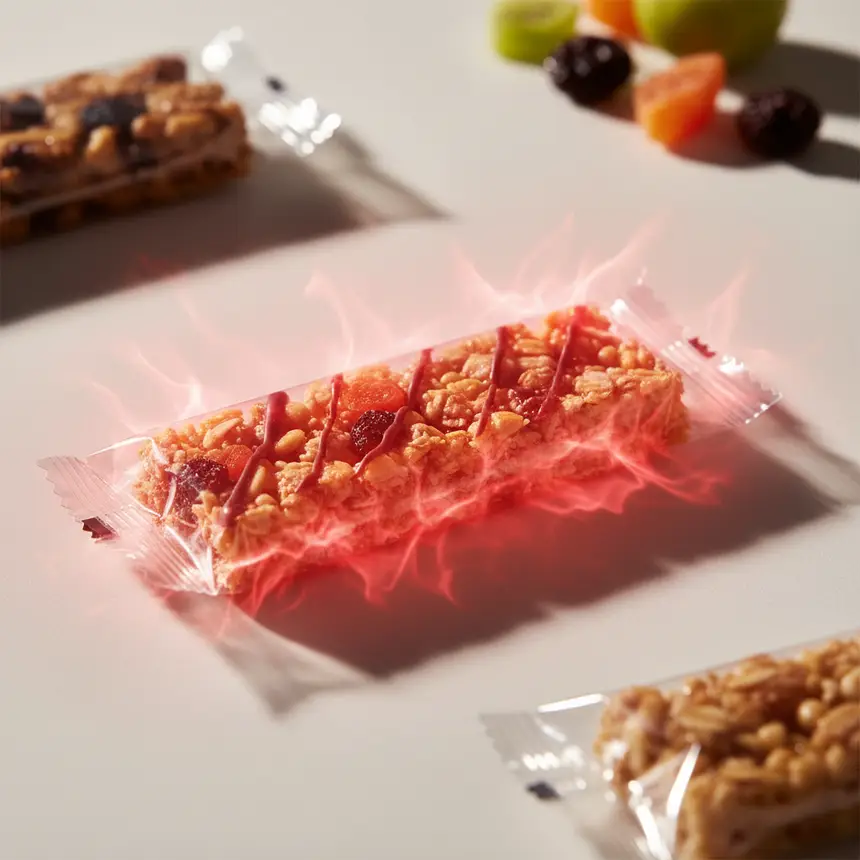
While snacks bring joy, many popular options on supermarket shelves can subtly undermine a child's health and development. High-sugar treats offer a quick energy rush, but this often leads to a rapid "sugar crash," affecting concentration and leaving kids feeling hungry again sooner. More importantly, these snacks frequently lack essential nutrients like protein, fiber, and vital minerals, contributing to nutritional imbalances during a critical growth phase. For active elementary schoolers, simply consuming calories isn't enough; they need nutrient-dense options that support their body's building blocks and overall development. These snack pitfalls can cast an unseen shadow over a child's healthy growth.
※ This post contains affiliate links. I may earn a commission at no extra cost to you.


A Strategic Approach to Fueling Your Child's Growth with Smart Nutrition
Optimal growth for children hinges on a consistent supply of high-quality protein, dietary fiber, and a wide array of vitamins and minerals. Snacks designed with these nutrients in mind go beyond simple hunger relief; they sustain energy levels, support muscle development, promote gut health, and bolster the immune system. For instance, plant-based proteins, along with fiber and minerals derived from sea vegetables or root vegetables, are fundamental for balanced development. It’s also well-known that protein is utilized more effectively when consumed in smaller, consistent portions throughout the day, rather than in one large sitting. Incorporating protein-rich snacks, such as low-sugar nutritional bars, between meals is an excellent way to support this optimal absorption.

Practical Tips for Integrating Healthy Snacks into a Busy Family Schedule
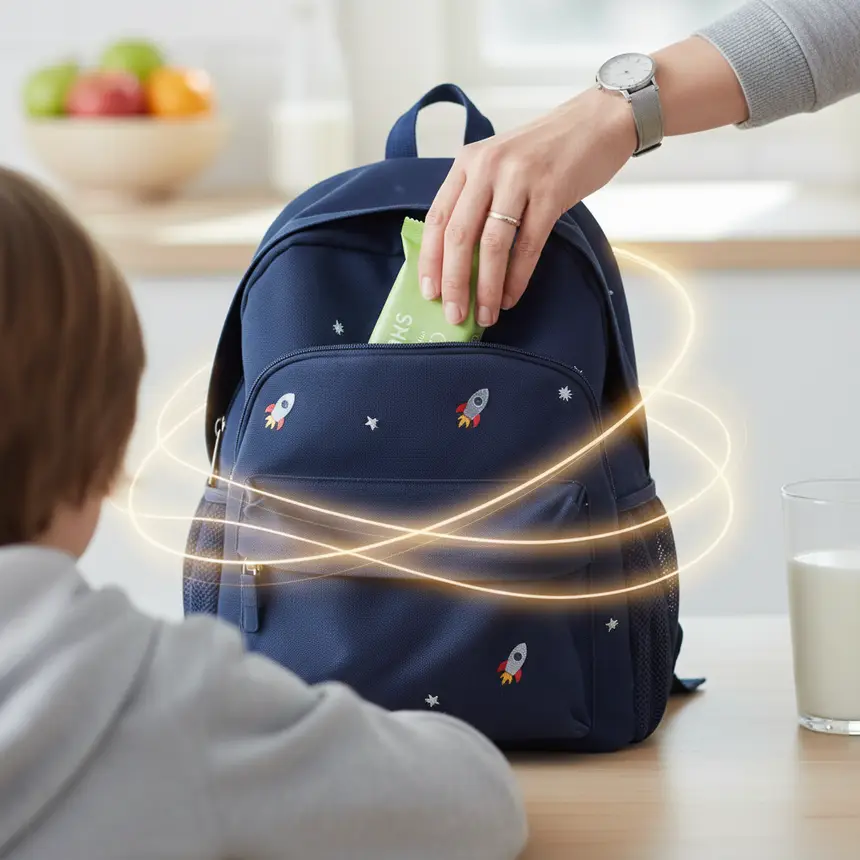
In the whirlwind of school and activities, guiding children towards healthy snack choices relies heavily on parental wisdom. Individually wrapped, portable nutritional bars offer unparalleled convenience, making them ideal for on-the-go moments. Choosing options with appealing flavors and soft textures is crucial, especially for younger kids who might be losing baby teeth and prefer easily chewable foods. Furthermore, low-sugar varieties prevent that unpleasant sticky residue in the mouth, which is a definite plus when brushing isn't immediately possible. At home, consider placing these accessible snacks where kids can easily grab them themselves, fostering a sense of independence and healthy snacking habits. Such practices significantly aid children in healthy snack consumption during their growth period.
Empowering Your Child's Growth Journey with Thoughtful Snack Choices
A child's growth is a remarkable and dynamic journey, and during this period, snacks serve as more than just food – they are a vital source of nutrition and sometimes even comfort. By offering low-sugar, nutrient-dense snacks to children who are naturally drawn to sweetness, parents lay the groundwork for healthy eating habits that can last a lifetime. Whether it's to curb after-school hunger, provide an energy boost before an extracurricular activity, or even offer a light, healthy option before bedtime, a well-chosen nutritional bar can be a powerful ally in supporting your child's vibrant development. Your mindful attention and smart choices today cultivate a brighter, more energetic future for your child. Starting today, choose smart growth period snacks, like low-sugar nutritional bars, to give your child a boost of sustained energy.
Frequently Asked Questions
Q. Why are low-sugar snacks important for elementary school children?
A. High-sugar snacks cause rapid blood sugar spikes and drops, which can negatively impact a child's focus and energy levels. Low-sugar options help maintain stable blood sugar, supporting better concentration and promoting healthier eating habits long-term.
Q. How can I encourage my child to eat snacks with vegetables or sea greens if they usually dislike them?
A. Many nutritional bars ingeniously incorporate extracts from vegetables or sea greens without the strong taste or texture, often masked by appealing flavors like caramel or chocolate. This can be a great way to introduce these beneficial ingredients without resistance.
Q. Is it better for children to consume protein in smaller, divided doses throughout the day?
A. Yes, consuming protein in smaller, regular amounts, especially between meals, generally leads to better absorption and utilization by the body. This helps support continuous muscle growth and overall development in active kids.
Q. What are the most important factors to consider when choosing snacks for busy elementary schoolers?
A. Key factors include nutritional balance, low sugar content, and convenience for portability and consumption. Look for individually wrapped snacks that offer a good mix of essential nutrients and can be easily eaten on the go.
Q. Are there any precautions to keep in mind when giving nutritional bars to growing children?
A. While beneficial, nutritional bars should complement, not replace, regular meals. It's generally recommended to stick to 1-2 bars per day, avoiding excessive consumption and ensuring they are part of a balanced diet with a variety of food groups.