Managing your child's eye health during their growth years is a crucial investment in their future. Learn to recognize early signs of vision deterioration and explore effective ways to manage myopia progression through lifestyle changes and professional guidance.

Is Your Child's Vision at Risk? Understanding Early Warning Signs
In today's digital age, children are exposed to screens from a very young age. Smartphones, tablets, and computers are an integral part of their daily lives, bringing with them a new set of concerns for parents: their children's eye health. Young children often struggle to articulate discomfort or vision problems, making vigilant observation and proactive management by parents incredibly important. If you notice your child frequently rubbing their eyes, squinting when looking at objects, or consistently holding books or devices unusually close to their face, these could be crucial indicators of a change in their vision. Recognizing and addressing these early signs promptly is vital for slowing down the progression of vision deterioration in growing children.
Childhood Myopia vs. Adult Myopia: Why Early Intervention Matters
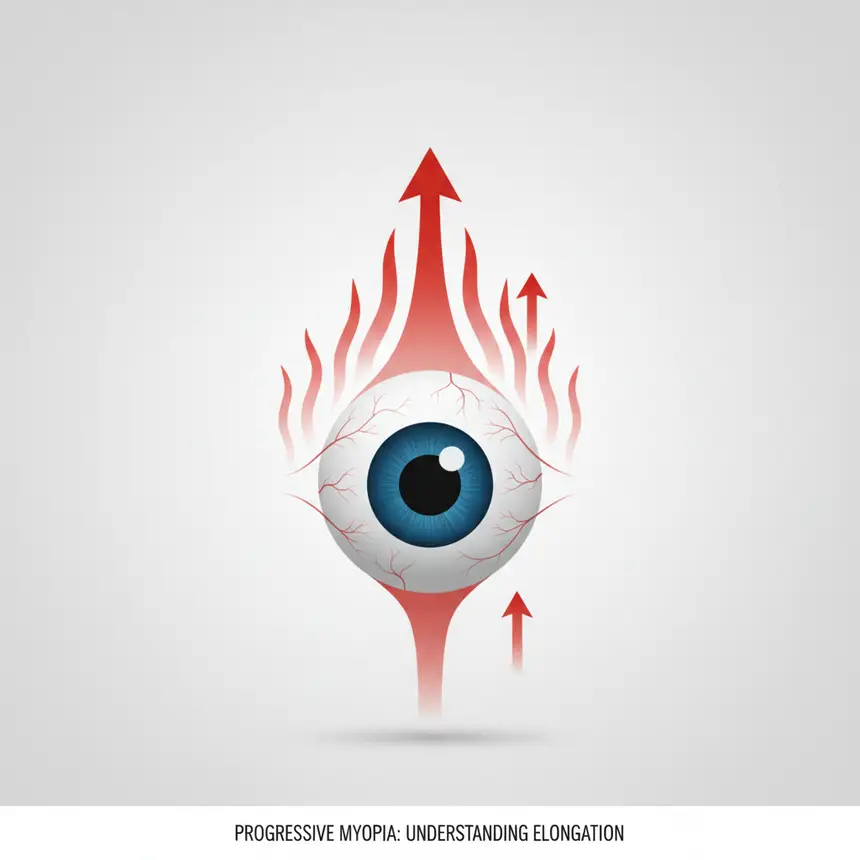
Vision impairment in children, particularly myopia (nearsightedness), progresses differently than in adults and requires more careful management. During a child's growth phase, the eyeball continues to lengthen, meaning that once myopia begins, it's likely to progress until eye growth stabilizes, typically in late adolescence. This unique characteristic means that childhood myopia isn't just about poor vision; it significantly increases the risk of developing high myopia in the future. High myopia can, in adulthood, lead to a higher likelihood of serious eye conditions such as retinal degeneration, glaucoma, and macular pathology. Therefore, any vision changes during a child's developmental years should not be taken lightly. Regular eye examinations are essential to accurately assess your child's eye health and to initiate appropriate interventions. Understanding the rate of myopia progression and establishing a personalized management plan is key to safeguarding your child's long-term eye health.
※ This post contains affiliate links. I may earn a commission at no extra cost to you.

Daily Habits and Nutritional Support for Healthy Eyes
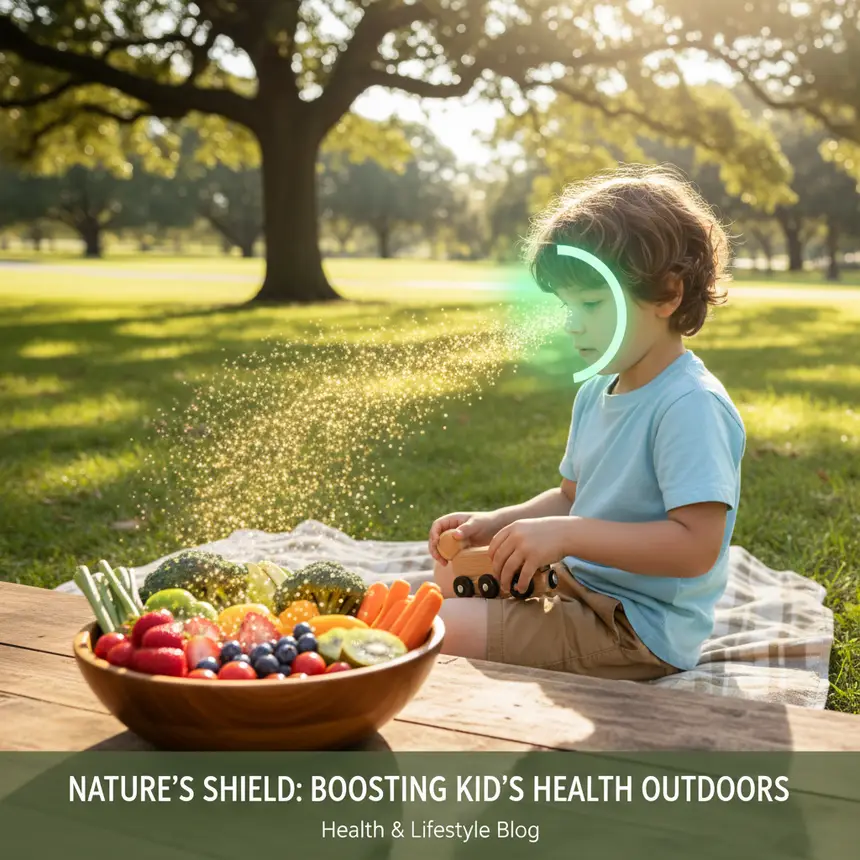
To protect children's eyesight and slow down myopia progression, implementing small changes in daily habits is crucial. Firstly, ample outdoor activity positively impacts eye health. Studies suggest that spending at least two hours outdoors daily, exposed to natural light, can help in curbing myopia progression. Secondly, when using digital devices, encourage the '20-20-20 rule': every 20 minutes, look at something 20 feet away for 20 seconds. This simple practice helps reduce eye strain. Thirdly, ensure good posture and appropriate lighting. When reading or studying, maintain a distance of at least 12 inches (30 cm) between the eyes and the material, and use indirect lighting to avoid glare. Furthermore, incorporating eye-healthy nutrients into their diet is beneficial. Foods rich in vitamins A, C, E, and Omega-3 fatty acids – such as carrots, leafy green vegetables, berries, and fatty fish – should be consumed regularly. In addition to these lifestyle adjustments, consulting an eye care professional is advisable to comprehensively evaluate your child's habits and vision development. They might suggest advanced management options. For instance, there are specialized contact lenses designed to be worn overnight that temporarily reshape the cornea, providing clear vision during the day without glasses. There are also specific eye drops that can help slow down myopia progression. These advanced methods must be carefully considered based on the individual's eye condition, growth rate, and ability to maintain hygiene, always under the guidance of an eye care professional. Strict hygiene practices are paramount for such lenses, and they are typically considered for children aged 6 and above. Ensuring sufficient sleep, generally 7-8 hours or more, is also an important factor.
Invest in Their Future: Take Action for Your Child's Vision Today!
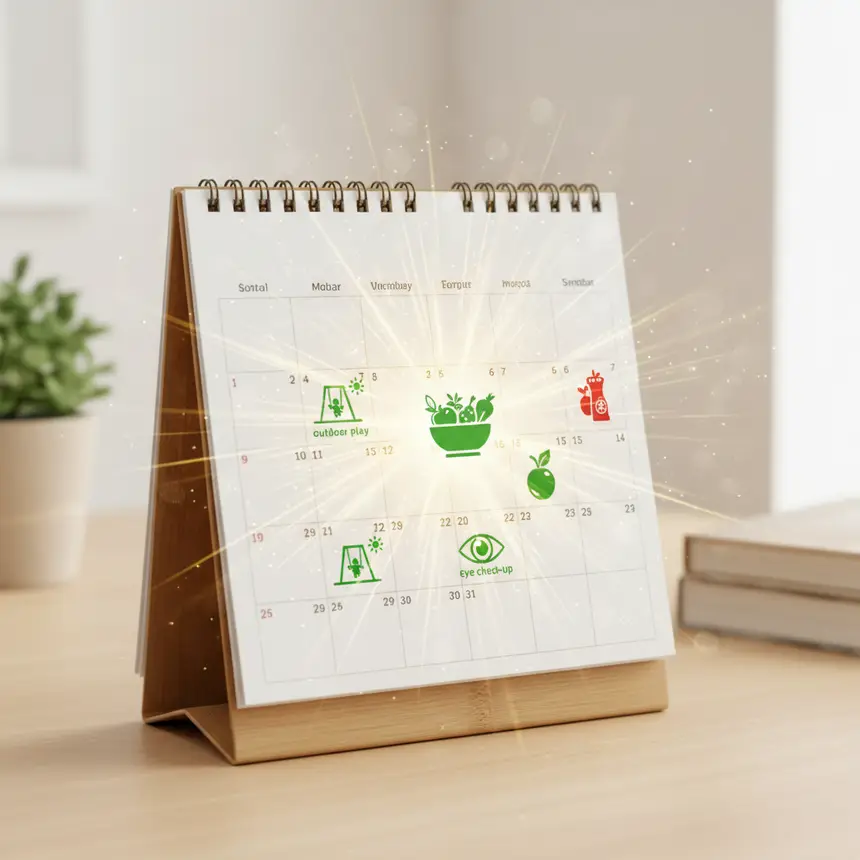
Your child's eye health is a vital component of their overall well-being, directly impacting their quality of life now and in the future. Actively managing vision during their developmental years is the most reliable way to reduce potential risks associated with high myopia and to ensure they can experience a broader, clearer world. Starting today, implement small practices for your child's eye health. Two hours of outdoor play daily, regular breaks from screens with proper posture, a balanced diet, and consistent eye check-ups will serve as a strong shield for their vision. Above all, continuous care and attention to your child's eyes are paramount. Vision management is not a sprint but a marathon. Through consistent effort and professional support, we can help our children achieve healthy eyesight and a bright future.
Frequently Asked Questions
Q. My child holds their screen very close. Is this a sign of vision loss?
A. Yes, if your child consistently holds screens or books very close, or leans forward to see text, it can be a significant indicator that myopia might be starting. Frequent eye rubbing or squinting should also be observed carefully. If you notice these behaviors, it's a good idea to schedule an eye exam with an optometrist or ophthalmologist.
Q. How is childhood myopia different from adult myopia?
A. Childhood myopia differs from adult myopia because it tends to progress as the child's eye grows. The length of the eyeball can continue to increase, leading to a higher degree of nearsightedness, which can progress to high myopia. This progression increases the risk of retinal diseases and other complications in adulthood. Early detection and proactive management are therefore critical for children.
Q. What specific steps can I take at home to protect my child's eye health?
A. At home, you can manage your child's eye health in several ways. Encourage at least two hours of outdoor play daily and enforce the '20-20-20 rule' when using digital devices (every 20 minutes, look 20 feet away for 20 seconds). Also, maintain proper posture and adequate lighting when reading or studying (keep materials at least 12 inches away, use indirect light). A balanced diet rich in vitamins A, C, E, and Omega-3s is also beneficial.
Q. For which children are specialized vision management methods, like certain contact lenses or eye drops, suitable?
A. These specialized methods are determined after a comprehensive evaluation by an eye care professional, considering the child's current vision, myopia progression rate, eye characteristics, lifestyle, and ability to maintain hygiene. They are typically considered for children aged 6 and older. It's crucial to have a thorough consultation with a professional to decide the most appropriate method for your child.
Q. How long should I continue with vision management for my child to be effective?
A. Consistent vision management is typically needed until your child's eye growth stabilizes, which usually occurs after puberty. However, there's significant individual variation. Regular eye check-ups and ongoing consultations with an eye care professional are the most effective ways to adjust the management plan as your child grows and their vision evolves.