Explore the exciting developmental leaps of your 6-month-old, including sitting up, tummy time challenges, and early attempts to stand. Get practical tips to support their growth.

A New Chapter in Baby Development: The Dynamic World of 6-Month Milestones
Around six months of age, many babies embark on a thrilling developmental journey, marking a significant leap in their physical and cognitive abilities. One day, your little one might be content observing the world from their back, and the next, they're sitting upright, ready to explore their surroundings with newfound independence. This period often brings a mix of excitement and questions for parents, from wondering when their baby will master sitting alone, to understanding why they suddenly resist tummy time, or even witnessing their ambitious attempts to pull themselves up to stand.
These rapid changes signify a growing curiosity about the world and an increasing desire for independent movement. Your baby is transitioning from a more passive state to actively engaging with their environment, which profoundly impacts how they interact with everything around them. Providing an understanding and supportive environment tailored to these specific developmental stages is crucial for fostering healthy growth and helping your baby thrive.
These rapid changes signify a growing curiosity about the world and an increasing desire for independent movement. Your baby is transitioning from a more passive state to actively engaging with their environment, which profoundly impacts how they interact with everything around them. Providing an understanding and supportive environment tailored to these specific developmental stages is crucial for fostering healthy growth and helping your baby thrive.
Sitting, Refusing, Standing: Key 6-Month Milestones and How to Support Them
At six months, babies experience rapid muscle development across various body parts, enabling them to acquire exciting new skills. Understanding and supporting these changes properly is key to their development.
- Key Change 1: The Dawn of Independence: Mastering the Sit
- Key Change 2: Tummy Time Troubles? Why They Resist and How to Persist
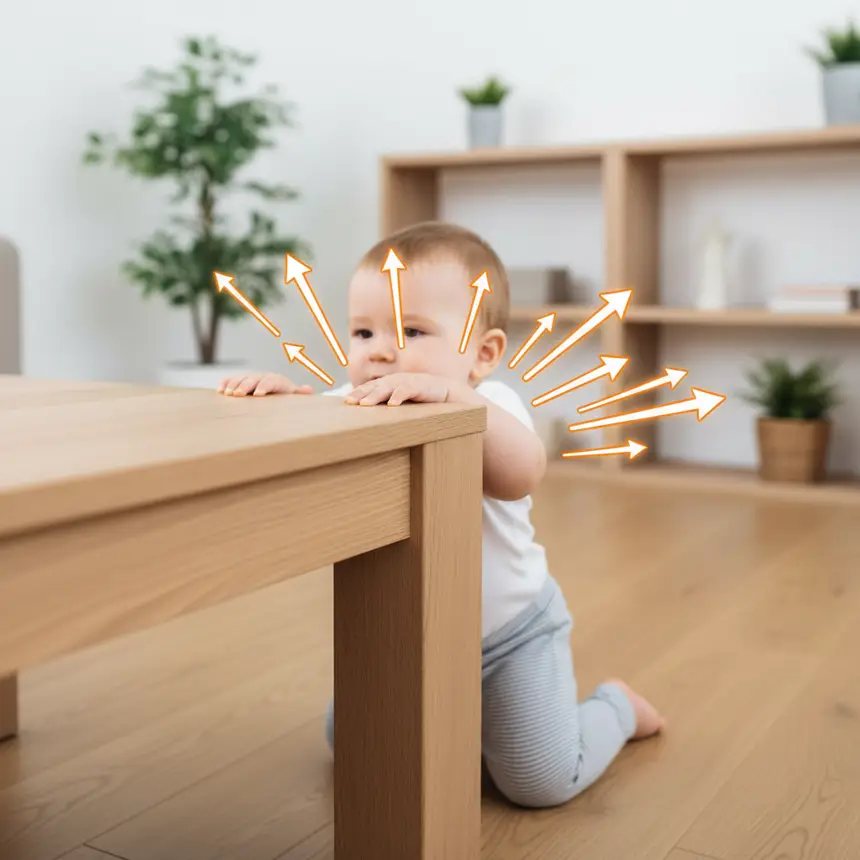
- Key Change 3: Tiny Titans: Embracing the Drive to Stand Up
※ This post contains affiliate links. I may earn a commission at no extra cost to you.

Your Role in Their Growth Journey: Nurturing and Securing Their Environment
A 6-month-old baby shows remarkable new abilities almost daily. As a parent, your role is to respect their budding independence while providing a stimulating and secure environment.
- Patience Over Pressure: Supporting Their Pace
- Creating a Safe Haven for Exploration
- Engaging Interactions: Building Bonds and Confidence
Frequently Asked Questions
Q. My 6-month-old isn't sitting independently yet. Should I be worried?
A. Development varies for each baby. Most babies start sitting independently between 5 and 7 months, with 6 months being an average. If your baby is meeting other milestones like holding their head up or rolling over, it's generally fine to observe a bit longer. However, if you have specific concerns about developmental delays or notice other unusual signs, it's best to consult with your pediatrician for a proper assessment.
Q. My baby hates tummy time now that they can sit. Is it still important?
A. It's common for babies to dislike tummy time once they can sit independently, as the sitting position offers a wider view and more freedom. Nevertheless, tummy time remains crucial for strengthening their neck, shoulder, and back muscles, as well as developing their core strength. Try incorporating short, frequent sessions (e.g., 2-3 minutes) and make it engaging by using favorite toys or getting down on the floor with them to interact positively. Approaching it as a fun activity can make a big difference.
Q. My 6-month-old is already trying to pull to stand. Is this too early?
A. Some babies develop faster and may begin attempting to pull themselves to a standing position around 6 months. This is a natural part of their developmental process and a positive sign that their leg muscles and balance are developing. Instead of worrying, ensure you provide sturdy, stable furniture for them to safely hold onto and lean against. Cushion the surrounding area to prevent injuries from falls. The key is to support their self-initiated practice rather than rushing them into walking.
Q. What kind of safe play environment is recommended for a 6-month-old who is starting to sit?
A. Once your baby starts sitting, their range of activity expands, making a safe play environment essential. Lay thick, shock-absorbing play mats on the floor. Remove any dangerous items (small parts, sharp objects, breakables) from your baby's reach. Install outlet covers and corner protectors on furniture. Provide stable, low furniture (like a sturdy, non-wobbly coffee table) that they can use to pull up on and explore. Always ensure they are within your sight and supervision.
Q. My baby's risk of falling has increased now that they're sitting. How can I prevent accidents?
A. When babies begin to sit, their balance isn't perfect, and they can easily tumble backward or sideways. To prevent falls, it's crucial to have soft padding like a thick play mat or blankets on the floor to absorb impact. Ensure there are no hard or sharp furniture edges around your baby. Avoid leaving them unattended and be ready to support them if they seem about to fall. While babies learn to balance by experiencing small tumbles, your careful observation is vital to prevent serious injuries.