Explore how to choose and effectively use sensory toys that stimulate the rapidly developing senses of 5-6 month old infants. A guide to fostering visual, auditory, and tactile skills for healthy growth.

Your Little Explorer: Embracing a World of New Discoveries
Between five and six months of age, infants embark on an incredible journey of discovery, their curiosity about the world around them blossoming. Moving beyond simply lying down or cooing, babies at this stage actively reach out to grasp objects, shaking them with delight and observing the fascinating results. Their physical activity also expands, with many attempting to lift their heads during tummy time or even beginning to scoot. Every sight, sound, and texture becomes a new adventure, a means for them to process information through their senses and develop fine motor skills. This is a pivotal time where all their surroundings serve as valuable tools for play and learning.
Keeping Little Ones Engaged: The Challenge of Travel and Transitions
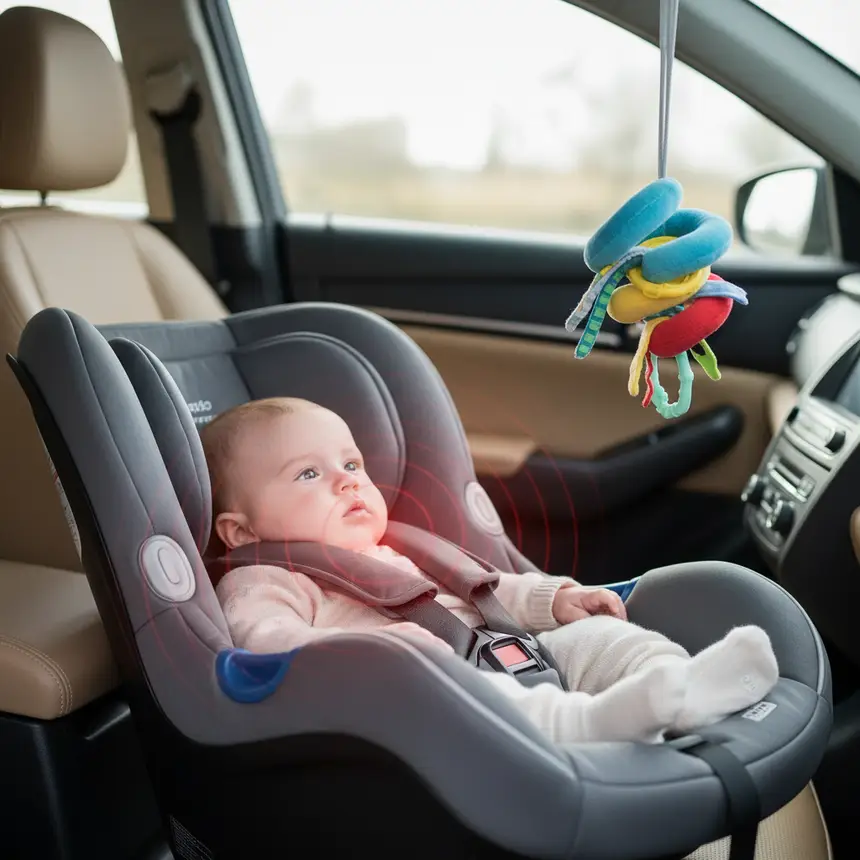
As babies reach 5-6 months, parents often find themselves on more outings together. However, it's common for infants to become bored or fussy in unfamiliar environments, especially when confined to a stroller or car seat for extended periods. Their limited view and reduced movement can lead to feelings of frustration. Parents also frequently encounter issues like dropped toys or concerns about cleanliness when items are retrieved from public spaces. At this developmental stage, it's not enough to simply distract a baby; they need continuous, age-appropriate stimulation and play, even when on the move. Providing opportunities for exploration in a secure, engaging manner is crucial for their emotional well-being and cognitive growth.
※ This post contains affiliate links. I may earn a commission at no extra cost to you.

Guiding Growth: Selecting Sensory Toys for 5-6 Month Infant Development
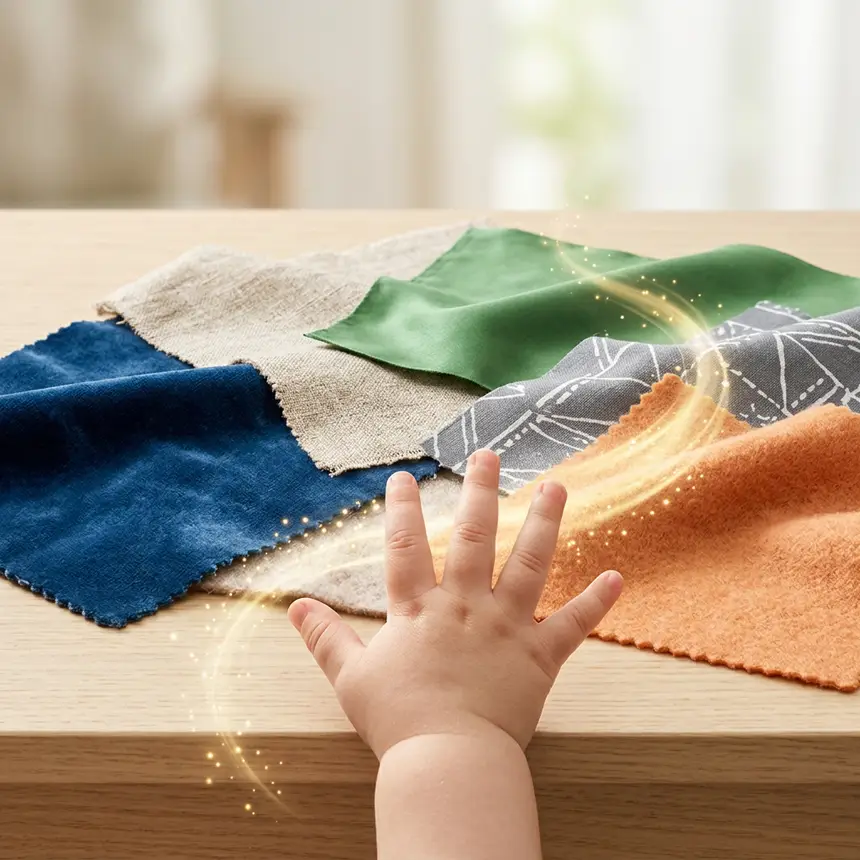
For infants aged 5-6 months, choosing playtime items that effectively stimulate multiple senses – sight, sound, and touch – is vital for balanced development. Firstly, for visual development, opt for designs featuring high-contrast colors and clear patterns. Babies at this age process distinct color differences more easily, enhancing their focus. Secondly, to support auditory development, look for items that produce soft, engaging sounds like rattles or crinkly fabrics. Avoid overly loud or jarring noises; instead, seek sounds that gently pique curiosity and encourage concentration. Thirdly, for tactile development, select toys incorporating a variety of textures. Soft cloth, slightly bumpy surfaces, or smooth plastic can all help babies explore the world through their fingertips, boosting fine motor skill development. Lastly, ensure the item is appropriately sized and shaped for small hands to grasp easily, promoting independent play and strengthening their grip.

Practical Playtime: Integrating Sensory Activities Into Daily Routines
Encouraging sensory development in 5-6 month olds can be seamlessly integrated into daily life. Here are some simple yet effective ways to enrich their playtime. First, make full use of portable play items. Toys with attachment loops are incredibly convenient for strollers or car seats, allowing babies to play safely and happily while on the go. These loops prevent toys from being dropped, easing parents' concerns. Second, remembering that babies at this age explore heavily with their mouths, always prioritize toys made from safe, non-toxic materials and commit to regular cleaning or wiping for hygiene. Third, create engaging play environments wherever your baby spends time, such as cribs or play mats. Easily attachable toys can transform these spaces, providing consistent stimulation in familiar, comforting surroundings, which helps babies feel secure as they explore new sensory input.
Your Role in Their Journey: Thoughtful Choices for Thriving Infants
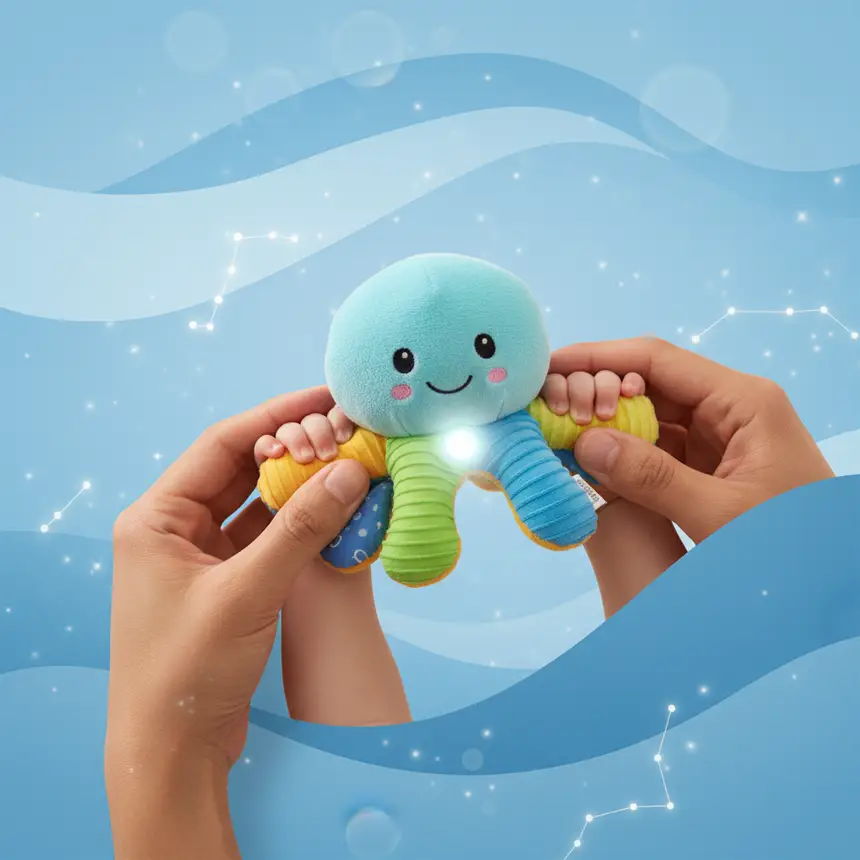
The 5-to-6-month period marks a phase of explosive growth and significant developmental milestones for infants. The diverse sensory input provided during this time plays a crucial role in shaping their cognitive, emotional, and physical development, laying a fundamental groundwork for understanding the world. It’s important to see toys not merely as distractions, but as carefully chosen tools that support your baby's remarkable progress. Witnessing your baby's engagement and joyful exploration is one of the greatest pleasures of parenthood. By understanding their developmental stage and creating an optimal environment tailored to their needs, you can effectively foster a healthy and happy growth journey for your little one.
Frequently Asked Questions
Q. My 5-6 month old puts every toy they hold straight into their mouth. Is this normal?
A. Yes, it's completely normal and a strong instinct for babies at this age to explore the world through their mouths. This is a crucial part of their sensory development, so there's no need to worry. Just ensure the toys are made from non-toxic, baby-safe materials and are kept clean.
Q. My baby only seems interested in one specific toy when we're out. Should I try to introduce more variety?
A. While it's great your baby has a favorite, gently exposing them to other toys with different textures, sounds, and colors can offer more diverse stimulation for their development. Try rotating a few portable toys, even for short periods, to broaden their sensory experience.
Q. Besides sensory toys, what other activities do you recommend for a 5-6 month old?
A. Interaction with caregivers is immensely beneficial! Activities like 'peek-a-boo,' exploring their face in a baby-safe mirror, listening to and singing nursery rhymes, or gently tickling them with a soft scarf are wonderful. These activities also greatly support their social and emotional development.