Don't miss the hidden stress signals your child might be sending. Learn about the causes of unexplained physical symptoms, balanced lifestyle habits to protect your child's mental health, and wise parenting strategies for their healthy development.

Is Your Child Struggling with Hidden Stress?
When your child suddenly complains of a stomach ache or feeling unwell for no apparent reason, how do you typically respond? It's easy to dismiss it as simple indigestion or a minor bug. However, these physical discomforts can sometimes be a significant child stress signal hidden deep within their minds. Growing children often struggle to articulate their feelings like adults, frequently manifesting stress through physical symptoms. Recurring stomach pains, vomiting, or headaches that show no specific cause in medical examinations might point to underlying psychological factors. It's crucial for parents to attentively observe and understand these subtle signals their child might be sending.
Why Child Stress Appears as Physical Symptoms
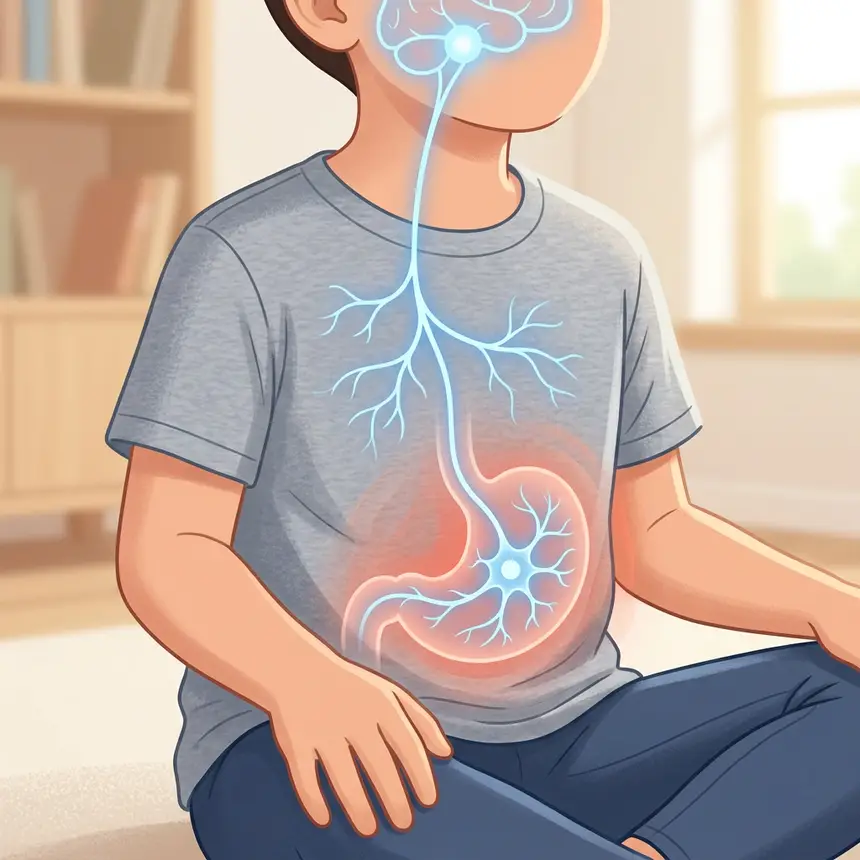
The stressors children face are diverse, ranging from academic pressure and peer conflicts to changes in family dynamics. These psychological pressures directly impact the body, and children's digestive and nervous systems can be particularly sensitive. The brain and gut are intimately connected; during stress, signals from the brain can affect gut function, leading to symptoms like abdominal pain, vomiting, or diarrhea. Just as adults might lose their appetite or feel sick to their stomach when anxious, children too express their emotional unease physically without even realizing it. Understanding this brain-gut connection is a vital first step in uncovering the true cause behind a child's physical discomfort.
※ This post contains affiliate links. I may earn a commission at no extra cost to you.


Balanced Approaches for Your Child's Mental Well-being
If your child is showing physical symptoms due to stress, the first step is to listen empathetically and validate their feelings. Acknowledging their emotions with phrases like "That must have been upsetting" is crucial. Secondly, finding balance in your child's daily life is key.
- Reduce Over-scheduling: Review your child's daily schedule, including after-school activities. Consider if it's too much. Sometimes, it takes courage to temporarily pause activities, keeping only a couple that your child truly loves.
- Ensure Adequate Rest and Sleep: Maintain a regular sleep schedule and create a relaxing environment before bedtime by limiting screen time. Quality sleep enhances their resilience.
- Provide Ample Playtime: Play is vital for stress relief and emotional development. Offer plenty of free, child-led play opportunities where they can explore, express creativity, and release suppressed emotions.

Practical Tips for Managing Child Stress Daily
Managing your child's stress can start with small, everyday changes. Here are some actionable tips for parents to easily implement:
- Regular Physical Activity: Encourage at least 30 minutes of outdoor play daily or engaging in enjoyable exercises like biking together. Physical activity reduces stress hormones and boosts mood-enhancing endorphins, effectively helping children cope with stress.
- Healthy Eating Habits: A balanced diet is the foundation for your child's physical and mental health. Prioritize fresh vegetables, fruits, and whole grains over processed foods to support gut health and emotional stability.
- Encourage Emotional Expression: Create a safe space where your child feels comfortable openly discussing their feelings. Activities like drawing or journaling can help them express emotions they might struggle to verbalize.
- Increase Quality Time Together: Spend even 10 minutes a day making eye contact, conversing, or reading a book with your child. Positive parent-child interactions provide psychological security and build resilience against stress.

Wise Parenting for Your Child's Healthy Development
The stress children experience often sends us signals in unexpected ways. If your child repeatedly complains of unexplained physical discomfort, and medical examinations find no specific cause, it's essential for parents to reflect: could we be overlooking a deeper child stress signal? Growing children often find it difficult to clearly recognize and express their emotions. In such cases, the parent's role is to sensitively detect subtle changes, patiently delve into their child's inner world, and provide understanding.
Reducing excessive burdens in their daily lives, ensuring ample rest and playtime, and most importantly, creating a warm environment that understands and supports their emotions are crucial. Through this process, children can learn effective coping mechanisms for stress and develop into stronger, healthier individuals. Remember, your child's healthy growth begins with your sensitive observation and wise response.
Reducing excessive burdens in their daily lives, ensuring ample rest and playtime, and most importantly, creating a warm environment that understands and supports their emotions are crucial. Through this process, children can learn effective coping mechanisms for stress and develop into stronger, healthier individuals. Remember, your child's healthy growth begins with your sensitive observation and wise response.
Frequently Asked Questions
Q. What physical symptoms might children exhibit when stressed?
A. Children experiencing stress may show physical symptoms such as stomach aches, headaches, vomiting, diarrhea, sleep disturbances, loss of appetite, or fatigue. If these symptoms recur without a clear medical cause, stress should be considered a potential factor.
Q. Besides academic pressure, what are common stressors for children?
A. Beyond school, children often face stress from peer difficulties (bullying, conflicts), family changes (moving, new siblings, parental disagreements), adapting to new environments (new school, daycare), parental expectations, and media exposure.
Q. What immediate steps can parents take to help relieve a child's stress?
A. Parents can start by talking with their child and empathizing with their feelings. Adjusting over-scheduled activities to ensure adequate rest and playtime is also beneficial. Additionally, encouraging regular physical activity and maintaining healthy eating habits can greatly help.
Q. Should I seek professional help if my child's stress symptoms persist?
A. Yes, if your child's stress symptoms are persistent or severe enough to disrupt their daily life, it's advisable to consider consulting a child psychologist or a mental health professional. Early and appropriate intervention can have a positive impact on your child's healthy development.