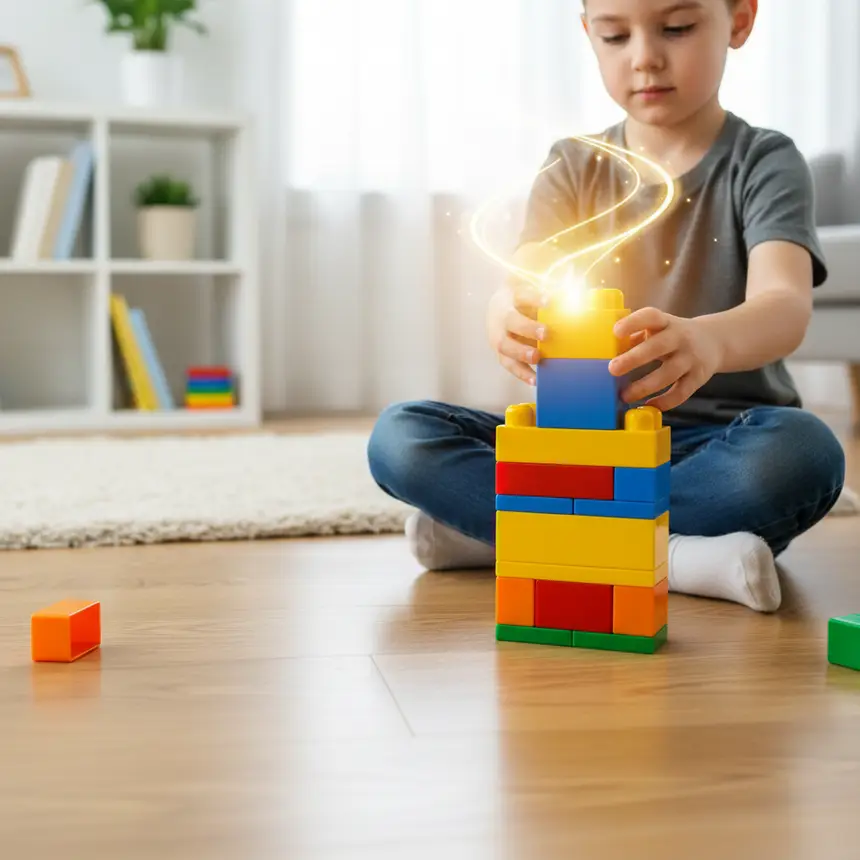
Want your child to develop beyond rote memorization and embrace active, independent thinking? Discover the vital role of self-directed play in fostering toddler brain development and creativity. Learn practical, everyday strategies to unlock your child's full potential.

The Modern Parenting Challenge: Nurturing True Thinking Skills in Children
Today's parents often observe their children quickly absorbing vast amounts of information—reciting numbers, memorizing complex words, and demonstrating impressive knowledge in specific areas. While these achievements are certainly a source of pride, a crucial question arises: can our children effectively apply this knowledge to real-life challenges, solve problems independently, and navigate social interactions with ease? Many find that despite their extensive factual knowledge, children can struggle when faced with unexpected situations or conflicts. This highlights a critical need to understand toddler creativity not just as artistic talent, but as a dynamic force that enables flexible thinking, adaptive problem-solving, and resilience in a complex world. It's a cornerstone of healthy toddler brain development.
Beyond Rote Learning: The Essential Role of Creative Thinking
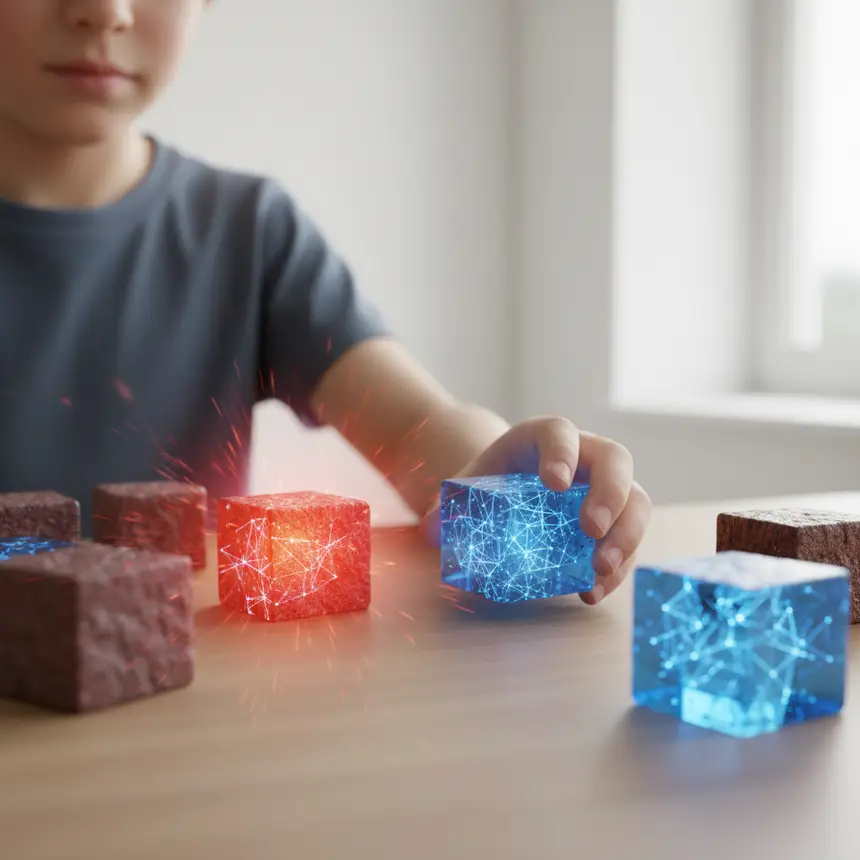
In our information-rich era, acquiring facts has become easier than ever. However, relying solely on memorization or passive absorption of information won't fully cultivate a child's true thinking capabilities. A child's brain isn't a static storage unit; it's a vibrant organ constantly reorganizing its neural pathways through active interaction with the environment and real-world experiences. If children are consistently asked for single, predetermined answers and restricted to rigid frameworks, they may struggle to generate novel ideas, overcome fear of failure, or adapt their thinking in new situations. This approach can limit long-term toddler brain development and hinder the emergence of essential toddler creativity needed to tackle various future challenges. Therefore, the focus must shift from 'what a child knows' to 'how a child thinks and solves problems.'
※ This post contains affiliate links. I may earn a commission at no extra cost to you.

The Power of Experience: How Self-Directed Play Shapes Brain Development
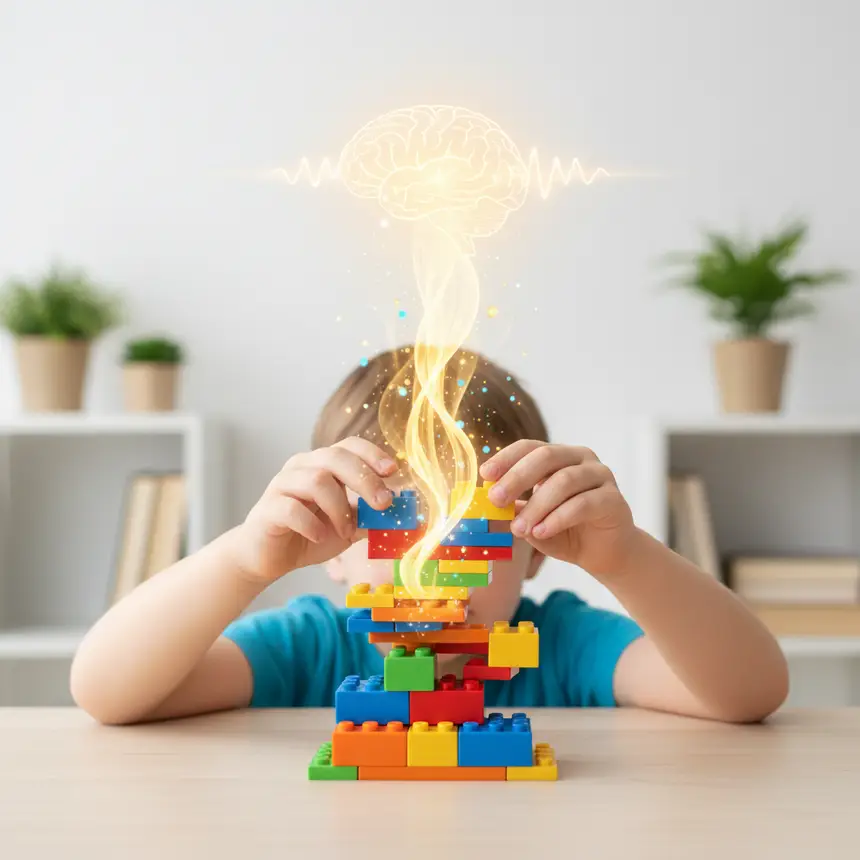
A child's brain thrives and develops most vigorously through direct, hands-on experiences, navigating social dynamics, and making independent choices. This concept of 'self-directed play' isn't simply about letting children run wild; it's a profound educational approach that empowers them to actively engage in learning and explore the world on their own terms. When a child has the autonomy to choose their play activities, observe the immediate consequences of their actions, and adapt their strategies as needed, it stimulates multiple areas of the brain simultaneously. Sensory input, movement, prediction, and self-regulation—all integral to play—form the fundamental pillars of robust toddler brain development. Essentially, the most vital early education isn't about rapid-fire correct answers, but about awakening the thinking brain through the rich experiences of self-directed play.
Practical Approaches to Nurture Self-Directed Play at Home
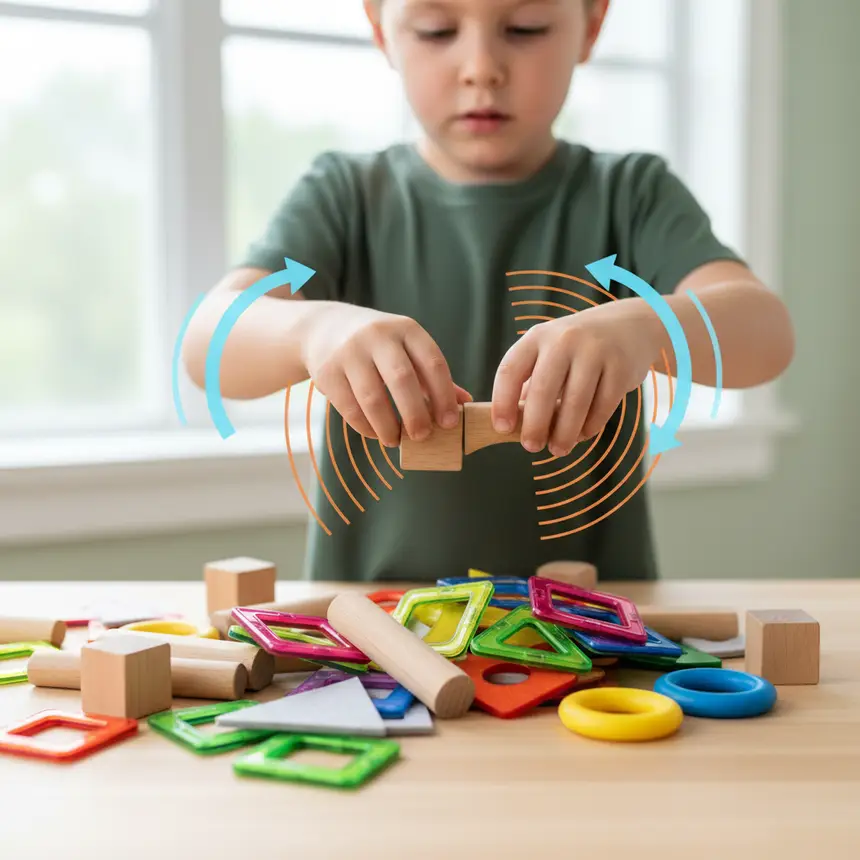
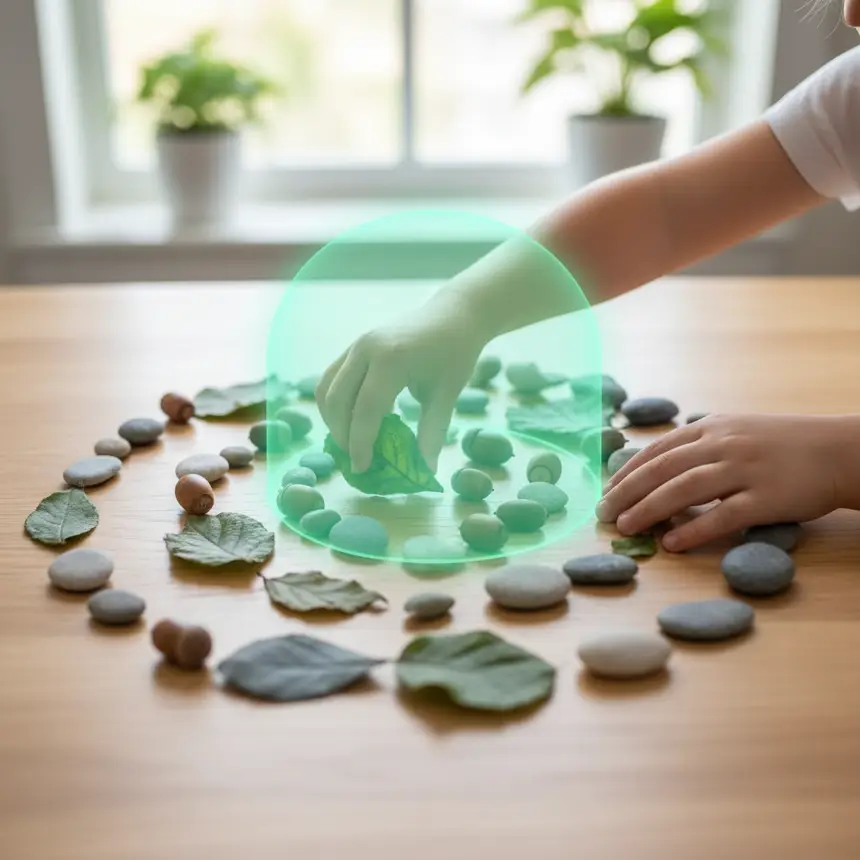
Encouraging self-directed play requires active participation from parents. The first step is creating an environment where children feel safe and inspired to explore activities they genuinely enjoy, rather than being forced into structured tasks. For instance, designate a corner of your home with a variety of textured blocks, art supplies, or dress-up clothes, allowing your child to choose and discover freely. When your child is immersed in play, step back and observe. If they encounter a challenge, resist the urge to provide immediate solutions. Instead, prompt them with questions like, 'What do you think could happen next?' or 'How else could we try this?' to encourage their own problem-solving. Furthermore, physical activity is incredibly beneficial for both toddler brain development and toddler creativity. Jumping, running, and balancing help children understand space, control their movements, and hone their problem-solving skills. Encourage ample outdoor time and free-form movement play, enabling your child to experience and explore the world directly through their body.
Charting a Course for Future Success: The Journey to Deep Thinking
In our rapidly evolving world, the most critical skill for our children is not merely possessing vast knowledge, but rather the toddler creativity to connect new information, approach problems from diverse perspectives, and devise unique solutions. This ability is not an inherent talent but rather a developed capacity, cultivated through rich self-directed play experiences and active brain engagement from an early age. As children choose, experiment, and overcome challenges in their play, their brains develop with greater flexibility and strength. The focus must shift from 'what to teach' to 'how to help children think and grow independently.' By supporting their curiosity, providing ample time for exploration, and recognizing the profound importance of hands-on, body-driven experiences, we lay a solid foundation for our children to become deep thinkers and proactive individuals. Believe in the power of self-directed play and start integrating it into your child's life for a brighter future.
Frequently Asked Questions
Q. Is self-directed play just letting my child do whatever they want?
A. Not at all. Self-directed play means providing a safe, rich environment where your child can explore and make their own decisions. Parents act as facilitators, observing their child's interests, asking guiding questions when needed to expand their thinking, and supporting their independent problem-solving process. It's an educational approach that respects a child's autonomy and encourages active learning.
Q. What specific activities can I do at home to foster toddler creativity?
A. At home, provide opportunities for your child to freely create and explore with various materials like blocks, clay, or natural items. Ask open-ended questions that don't have a single right answer, and encourage their imaginative ideas, even if they seem whimsical. Engaging in storytelling where they change the plot or role-playing different scenarios can also significantly boost their creative development.
Q. Why is physical activity so important for toddler brain development?
A. Physical activity goes beyond just making the body healthy; it actively stimulates various brain functions. Movements like jumping, running, and balancing help develop spatial awareness, fine motor skills, and coordination, all of which are directly linked to cognitive abilities. When children challenge themselves with new movements and learn to control their bodies, their brains form and strengthen neural pathways, enhancing problem-solving and toddler creativity.
Q. How does respecting a child's choices positively impact their brain development?
A. When children make their own choices and experience the consequences, it's fundamental for building self-direction and autonomy. These experiences strengthen the brain's ability to think actively and make decisions, fostering adaptability in unpredictable situations. Being respected for their choices also boosts a child's confidence and cultivates intrinsic motivation for learning, which are crucial for long-term development.