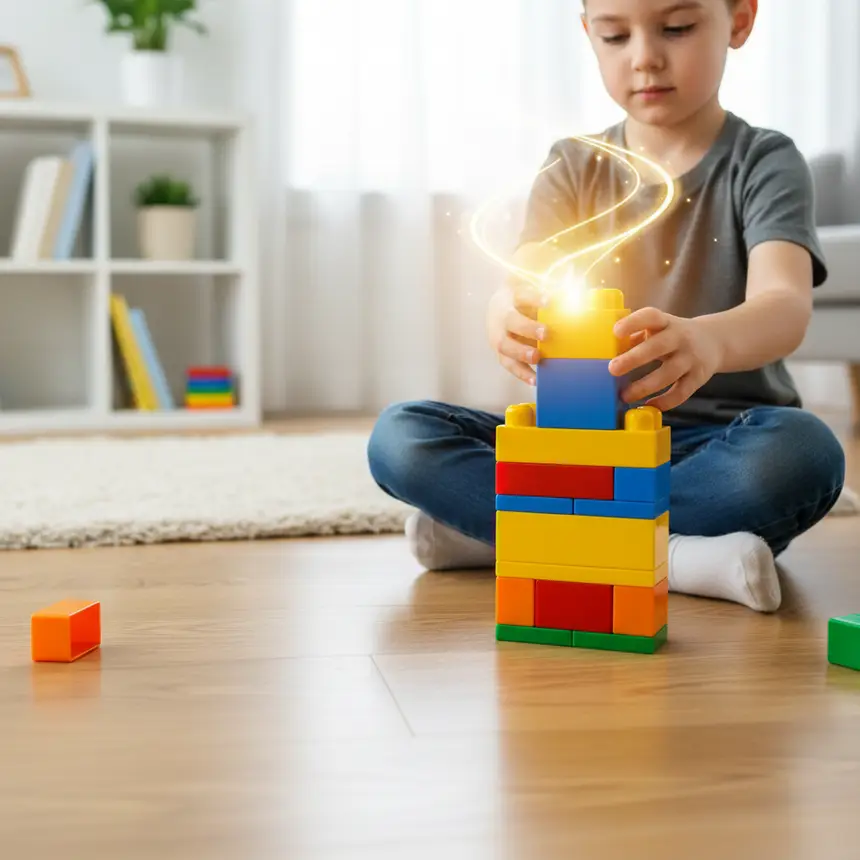
At 6 months, babies undergo rapid changes, learning to sit independently and explore their world. Understand key milestones like sitting, tummy time refusal, and attempts to pull to stand, and learn how to support your baby's healthy development.

The Exciting Milestone of Independent Sitting and Beyond
As a parent of a 6-month-old, you're likely witnessing your little one embark on a series of thrilling new adventures. Gone are the days of constant lying down; your baby is now actively observing their surroundings and striving for more movement. Are you wondering, "When will my baby sit up independently?" or "Why do they suddenly dislike tummy time?" This period marks an astonishing phase of physical and cognitive growth, bringing both joy and surprise to parents. From attempting to sit solo to trying to pull up on objects, these milestones are testaments to your baby's rapid development. This article will delve into the key developmental changes seen in 6-month-old babies and offer practical ways to support their healthy progress.

Understanding the 'Why' Behind New Developmental Stages
The various developmental shifts observed in a 6-month-old baby are not mere coincidences. This age signifies a significant strengthening of your baby's muscles, particularly their core and upper body. The ability to sit unsupported is a crucial indicator that your baby is learning to defy gravity and maintain balance. This physical advancement naturally broadens their visual perspective, intensely stimulating their curiosity to explore the environment. A seated position offers a far wider view than lying down, leading babies to prefer sitting and sometimes reject what was once enjoyable tummy time. Furthermore, their leg muscles are gaining strength, prompting attempts to pull up on objects and try to stand. This is a natural preparatory phase as your baby moves towards crawling, cruising, and eventually, walking.
※ This post contains affiliate links. I may earn a commission at no extra cost to you.

Supporting Your Baby's Safe Development at Every Step
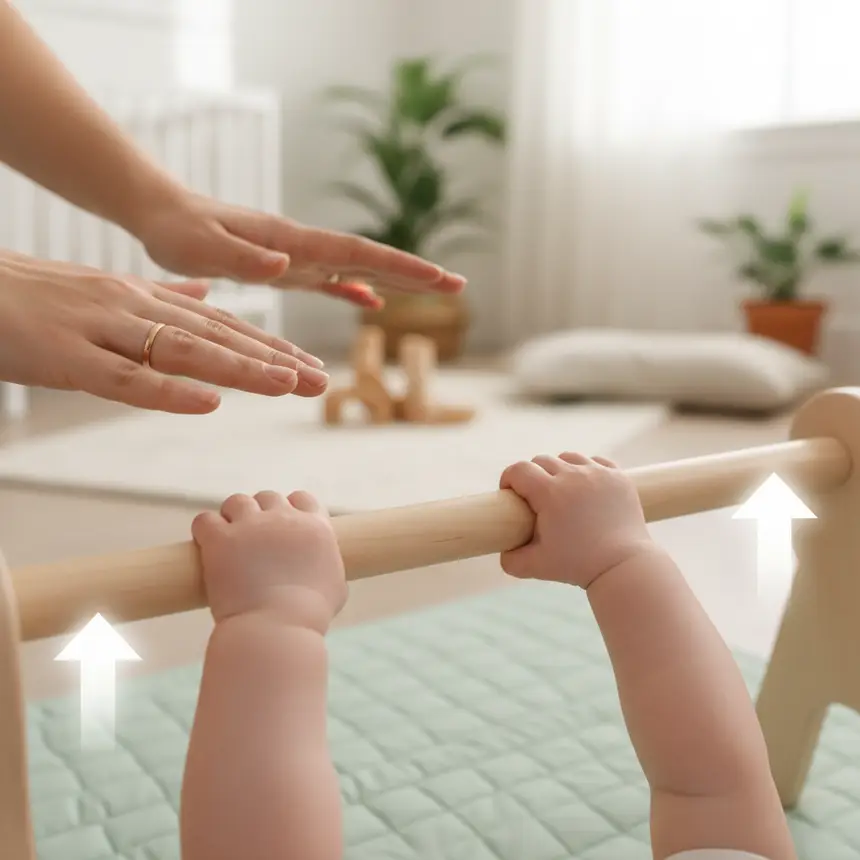
Every baby develops at their own unique pace, so it's more beneficial to focus on your child's individual journey rather than comparing them to others. When your baby is learning to sit, provide a safe environment. Place them on a thick playmat with cushions around to cushion any potential tumbles. Initially, they might use their hands to balance, but gradually, they'll spend longer periods sitting steadily without support. If your baby resists tummy time, avoid forcing it. Instead, try making it a positive experience by engaging them with favorite toys or by keeping sessions short and sweet. When your baby starts trying to pull up, guide them towards sturdy, stationary objects rather than unstable furniture, and always supervise them closely. With this kind of gentle encouragement, your baby will gain confidence and prepare for the next exciting stage.
Engaging Activities to Foster Development in Daily Life
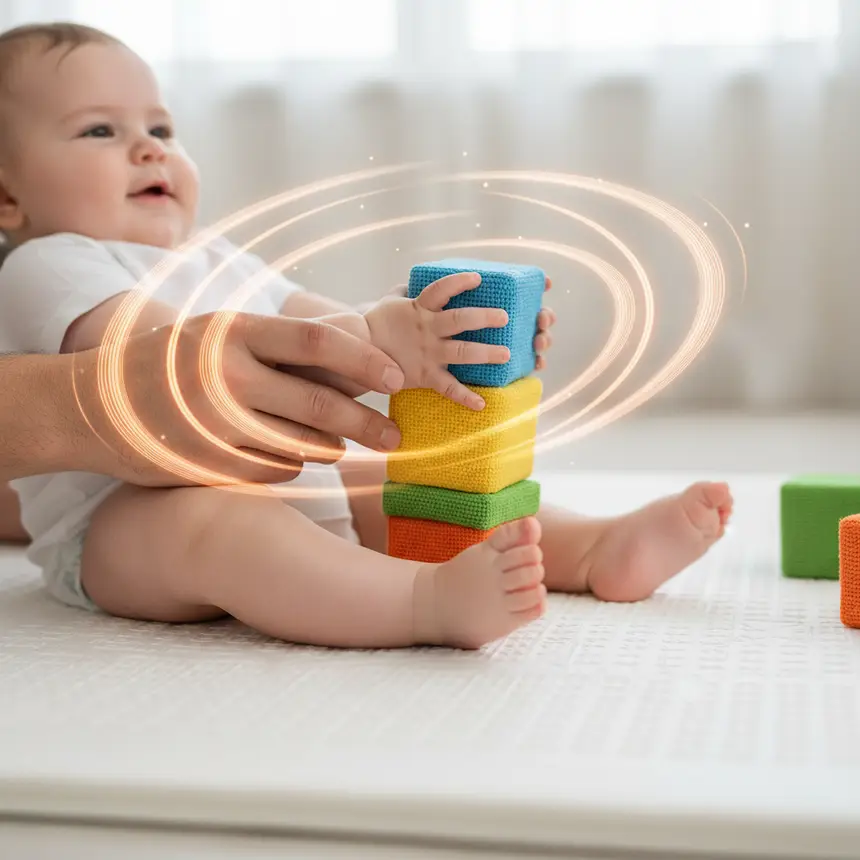
Helping your baby develop doesn't require special classes; it can happen naturally through everyday interactions. When your baby is sitting, offer a variety of textured toys to touch and manipulate. This encourages fine motor skills and cognitive development simultaneously. For example, place rattles, safe rubber blocks, or soft fabric toys within easy reach to invite exploration. Even if your baby dislikes tummy time, showing them a baby-safe mirror or a picture book at eye level for short durations can help them associate tummy time with enjoyable experiences. When your baby attempts to pull up, incorporate bridge exercises (where they lift their hips while lying on their back with knees bent) to help strengthen their lower body and core muscles. Additionally, joyful interactions like singing songs or dancing together with your baby positively impact their overall physical and emotional development.
Embracing the Journey of Your Baby's Growth
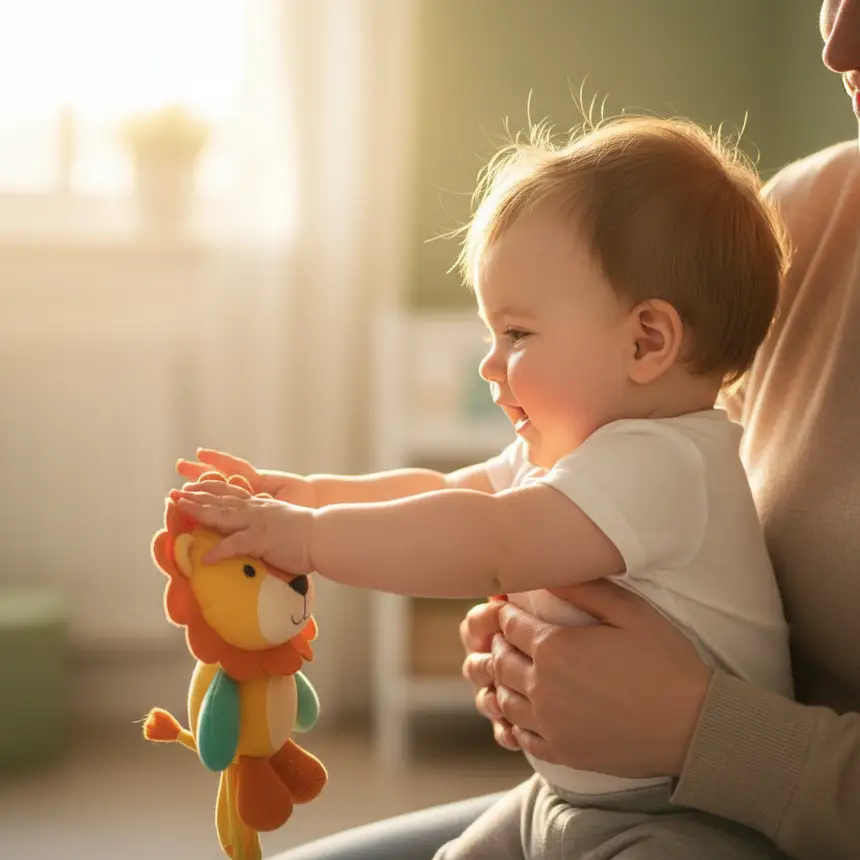
At 6 months, your baby is growing at an incredible pace, showcasing remarkable changes day by day. From mastering sitting to protesting tummy time, and even attempting to pull themselves up on nearby objects, each step signifies their journey towards becoming an independent individual. During this period, as their range of motion expands and their desire to explore intensifies, they require more attention and a secure environment. Your role as a parent is to respect these natural developmental stages and provide a strong foundation for your baby to safely and joyfully explore the world. Instead of feeling rushed or comparing your child to others, celebrate and encourage each small achievement your baby makes. Embrace and enjoy these precious moments with your baby, growing together at their own pace.
Frequently Asked Questions
Q. When do babies typically start sitting independently?
A. While every baby develops at their own pace, most babies begin to sit unsupported sometime between 5 and 7 months of age. The exact timing can vary depending on the development of their core and back muscles. It's best to support them safely when they show signs of trying to sit on their own.
Q. My baby dislikes tummy time ever since learning to sit. Is this normal?
A. Yes, this is a very common and natural developmental phase. As babies learn to sit, their perspective widens, and they often find the seated position more comfortable and engaging. Therefore, they might resist tummy time. Instead of forcing it, try keeping tummy time sessions short and making them more engaging with interesting toys.
Q. How can I safely encourage my 6-month-old who is trying to pull up to stand?
A. This is a positive sign of leg and core muscle development, so encourage it! Provide sturdy, stationary furniture or low railings for your baby to pull up on. Always supervise closely to prevent falls, and ensure they are not relying on unstable objects. Creating a safe environment is key.
Q. What kind of play activities can promote a 6-month-old's development?
A. When your baby is sitting, offer toys with different textures and sounds to stimulate fine motor and cognitive skills. You can also use baby-safe mirrors during short tummy time sessions to make it more appealing, or engage in interactive games like clapping hands or swaying to music. Providing opportunities for your baby to move and explore freely in a safe environment is crucial.
Q. I'm worried my baby's development seems slower than peers. What should I do?
A. Remember that every baby has their own unique developmental timeline. The most important thing is to understand your baby's current stage and provide appropriate stimulation and environment. Instead of focusing too much on specific milestones, support and celebrate your baby's daily progress and learning. If you have significant concerns, consulting with a pediatrician or developmental specialist is always a good idea.