Feeling overwhelmed about starting your baby on solid foods? Discover a smart guide to essential baby feeding supplies, step-by-step meal prep, and fostering healthy eating habits for your infant's healthy development.

The First Bites: Navigating Your Parenting Concerns
Introducing solid foods to your baby, often called 'starting solids,' is a milestone filled with excitement, yet it's also a significant source of parental worry. Questions like "When should we begin?", "What foods are safe?", or "Could this potentially harm my baby?" frequently arise. With an abundance of information and various parenting approaches circulating today, deciding on the best path for your child can feel particularly daunting. The perceived complexity of preparation and the array of specialized tools can make parents hesitant before they even start. However, this initial feeding stage is far more than just about filling tiny tummies; it profoundly impacts a baby's growth and development. Exploring new tastes and textures, developing digestive capabilities, and discovering the joy of self-feeding are foundational steps toward a lifetime of healthy eating habits. Understanding these genuine parental concerns, this guide aims to provide practical advice for a wise and smooth transition to solids.
Decoding the Dilemma: Why Starting Solids Feels So Overwhelming
The journey of introducing solid foods can often feel overwhelming due to a confluence of factors:
- Apprehension about New Foods and Methods: Parents naturally worry about how their breastfed or formula-fed infant will adapt to solid foods, and the fear of potential allergic reactions can be a heavy burden.
- Information Overload: The sheer volume of baby feeding advice from online communities, social media, and various guides can ironically lead to confusion rather than clarity. It's easy to get swayed by content that heavily promotes specific methods or products.
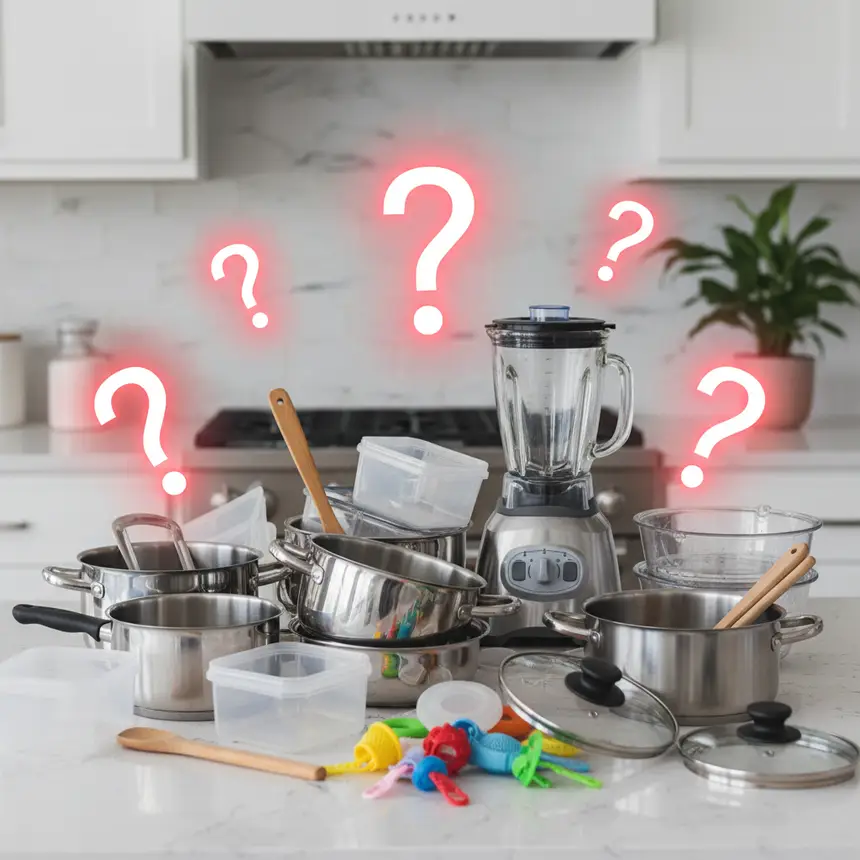
- Perceived Need for Specialized Equipment: A common misconception is that a vast array of dedicated cooking tools and containers are absolutely essential to begin. This belief often translates into financial pressure and discourages parents from starting, as they feel compelled to acquire every new item. The urge to have everything perfectly new can sometimes lead to inefficient and costly purchases.
※ This post contains affiliate links. I may earn a commission at no extra cost to you.

Laying the Foundation: Nurturing Healthy Growth Through Early Eating
The introduction of solid foods is a critical phase for your baby's healthy development. Embark on this rewarding journey by following these principles:
- Gradual Food Introduction for Nutritional Balance
- Smart and Sanitary Kitchen Tools
- Portioning Containers: Silicone or glass containers designed for freezing small portions are indispensable. They help you serve appropriate amounts and minimize food waste.
- Cooking Pots and Steamers: Opt for uncoated stainless steel or glass pots as safe staples for cooking. Using a steamer attachment helps preserve nutrient content while making ingredients tender.
- Simple Blending Tools: For the initial smooth purees, a hand blender or a small food processor can quickly and uniformly prepare ingredients.
- Feeding Utensils: Suction bowls and soft silicone spoons are practical for self-feeding practice, making mealtimes more engaging and less messy for your little one.
- Cultivating a Joyful Mealtime Environment and Habits
Your Step-by-Step Action Plan for Starting Solids
A successful journey into solid foods hinges on consistent practice and a flexible approach from parents.
1. Timing is Key: Generally, around 6 months of age, when your baby can hold their head up steadily, shows interest in your food, and has lost the tongue-thrust reflex, it's a good time to start.
2. Initial Food Choices: Begin with single-ingredient purees like rice cereal or sweet potato. Introduce new foods every 3-5 days to monitor for any allergic reactions. Gradually mix different compatible ingredients to broaden their palate.
3. Batch Cooking and Storage: Prepare several days' worth of food at once and freeze it in portioned containers for convenience. Thaw and warm using a double boiler or microwave when ready to serve.
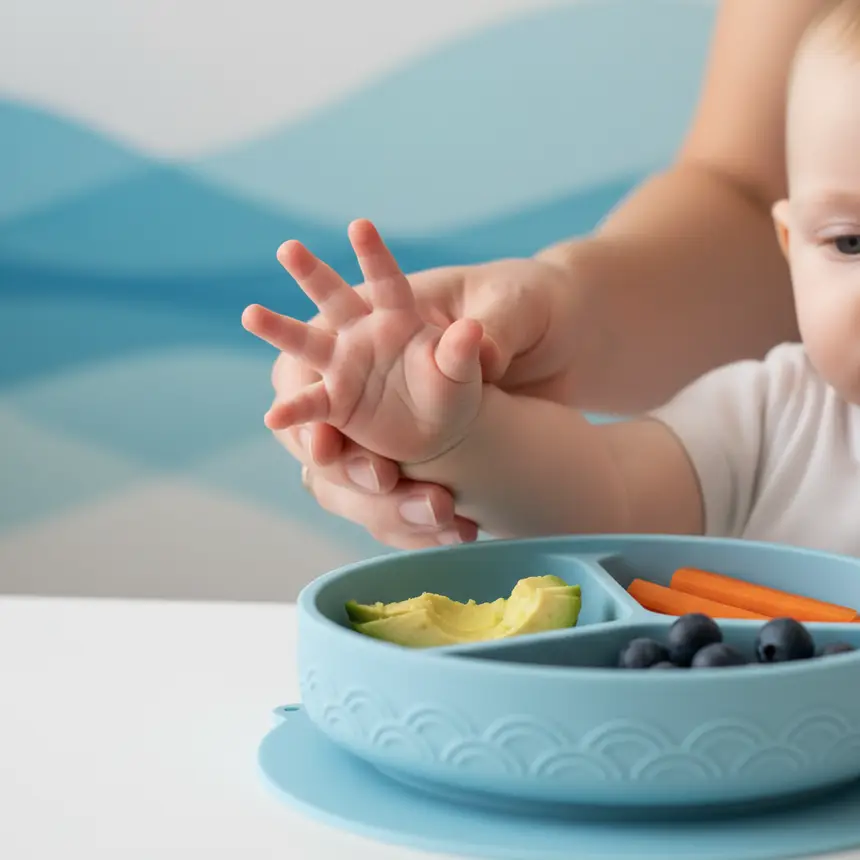
4. Encourage Baby-Led Exploration: Offer opportunities for your baby to touch, feel, and self-feed soft, appropriately sized foods. Allowing them to use their hands helps develop fine motor skills and sensory processing.
5. Maintain Flexibility and Patience: Introducing solids is a marathon, not a sprint. Adjust to your baby's developmental pace and temperament. Don't be discouraged by occasional refusals; instead, focus on creating positive mealtime experiences together.
A healthy introduction to solid foods forms the bedrock of your child's lifelong eating habits. Your unwavering care and love will empower your little one to grow strong and thrive through nutritious meals.
1. Timing is Key: Generally, around 6 months of age, when your baby can hold their head up steadily, shows interest in your food, and has lost the tongue-thrust reflex, it's a good time to start.
2. Initial Food Choices: Begin with single-ingredient purees like rice cereal or sweet potato. Introduce new foods every 3-5 days to monitor for any allergic reactions. Gradually mix different compatible ingredients to broaden their palate.
3. Batch Cooking and Storage: Prepare several days' worth of food at once and freeze it in portioned containers for convenience. Thaw and warm using a double boiler or microwave when ready to serve.
4. Encourage Baby-Led Exploration: Offer opportunities for your baby to touch, feel, and self-feed soft, appropriately sized foods. Allowing them to use their hands helps develop fine motor skills and sensory processing.
5. Maintain Flexibility and Patience: Introducing solids is a marathon, not a sprint. Adjust to your baby's developmental pace and temperament. Don't be discouraged by occasional refusals; instead, focus on creating positive mealtime experiences together.
A healthy introduction to solid foods forms the bedrock of your child's lifelong eating habits. Your unwavering care and love will empower your little one to grow strong and thrive through nutritious meals.
Frequently Asked Questions
Q. When is the best time to start introducing solid foods to my baby?
A. Most pediatricians recommend starting solids around 6 months of age. Look for signs like good head control, showing interest in food you're eating, and a diminished tongue-thrust reflex. Every baby develops at their own pace, so observing your child's cues is crucial.
Q. What types of food should I introduce first, and in what order?
A. It's generally advised to start with single-ingredient purees like iron-fortified baby cereal or pureed sweet potato to monitor for potential allergies. Then, introduce new single foods every 3-5 days, progressing from vegetables to fruits, and finally meats. This helps identify any sensitivities.
Q. Do I need to buy all new, specialized equipment for baby food preparation?
A. Not necessarily. While some dedicated items are helpful, you don't need to buy everything new. Essential items include hygienic and safe cooking pots, portion-sized storage containers for freezing, and a simple tool to puree ingredients finely. You can often adapt existing kitchen tools that are safe for infant food.
Q. What should I do if my baby refuses to eat new solid foods?
A. It's very common and normal for babies to refuse or spit out new foods as they adjust to different tastes and textures. Instead of forcing them, try offering a variety of foods and preparation methods, focus on creating a positive and pressure-free mealtime atmosphere, and maintain patience. Consistency over time will help them adapt.