Is your child getting enough Omega-3, crucial for their brain and overall development? Discover why DHA and ALA are vital, the common deficiencies, and practical strategies for smart supplementation. Learn how to choose the right Omega-3 and support your child's healthy growth journey.

Is Your Child Missing Out on Crucial DHA for Optimal Development?
As parents, ensuring our children receive the right nutrition for their healthy growth and cognitive development is often a top priority. Do you ever wonder if your little one is getting all the essential nutrients they need, especially those critical for their rapidly developing brains and bodies? Among these, Omega-3 fatty acids, specifically DHA (Docosahexaenoic Acid) and ALA (Alpha-Linolenic Acid), play a profound role in a child's overall well-being. Yet, many parents might not be fully aware of their child's actual intake of these vital compounds. Are our kids truly consuming enough Omega-3 to unlock their full potential? Let's delve into why DHA and ALA are so important for growing children and how to effectively supplement these essential nutrients.
Understanding Omega-3 Deficiency in Growing Children
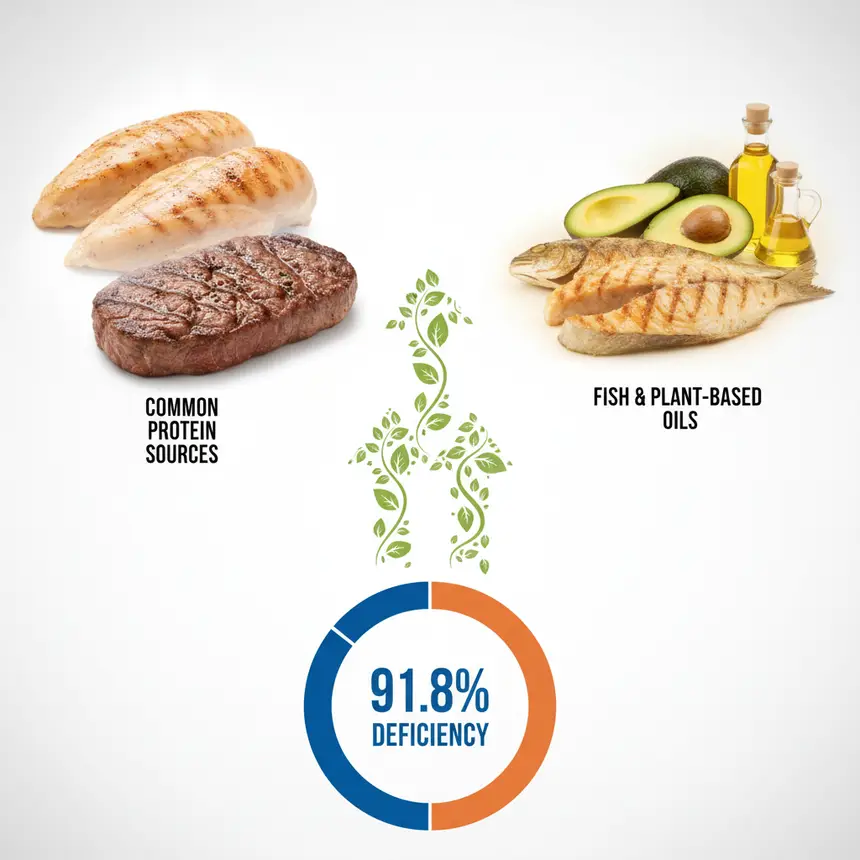
Alarming statistics suggest that a significant majority of children in certain regions, for instance, nearly 92% of Korean children, consume less DHA than recommended. This deficiency often becomes more pronounced around six months of age, when infants transition from breast milk or formula to solid foods. What contributes to this widespread issue? A primary factor is the shift in modern dietary habits. There's a tendency to consume less fish, a rich source of DHA, and more meat-centric meals. This dietary pattern naturally leads to a reduced intake of essential Omega-3s like DHA and ALA. Moreover, the human body isn't very efficient at producing sufficient amounts of DHA internally, making external dietary sources or supplementation absolutely necessary. During periods of rapid growth and development, the demand for these crucial fatty acids increases, making mindful nutritional planning paramount. Understanding this deficiency is the first step towards better support.
※ This post contains affiliate links. I may earn a commission at no extra cost to you.


Strategic Omega-3 Supplementation for Child Development
DHA and ALA are paramount Omega-3 fatty acids vital for children's brain development, visual function, and overall physical growth. DHA is a primary structural component of the brain and retina, while ALA serves as an important precursor that the body can convert into DHA. Therefore, ensuring a balanced intake of both is crucial. When considering a supplement, several criteria should guide your choice. First, prioritize the source's safety. With growing concerns about ocean pollution, opting for plant-based Omega-3s derived from sources like algae can mitigate risks associated with microplastics and heavy metals often found in fish-derived oils. Plant-based options offer a stable and sustainable alternative. Second, consider protection against oxidation. Omega-3s are sensitive to oxygen and heat, making them prone to oxidation. Look for supplements that come in individual serving sizes or packaging designed to minimize air exposure, thus preserving freshness. Third, ensure the supplement is palatable and easy for your child to consume without resistance. Many gummy or chewable options might contain unnecessary additives or sugars. Liquid forms, especially those with naturally pleasant flavors that avoid artificial sweeteners, can be a more suitable and healthier choice for children. For instance, selecting a plant-based product with a balanced DHA:ALA ratio, perhaps around 5:5, could be beneficial, and a DHA content of 200mg is often a good benchmark.

Practical Ways to Boost Your Child's Omega-3 Intake Daily
Boosting your child's Omega-3 intake goes beyond just offering a supplement; it involves incorporating these vital fats into their daily diet and lifestyle. Here are some actionable tips to effectively increase their DHA and ALA consumption:
- Embrace Plant-Based Omega-3 Sources: Introduce foods rich in ALA such as almonds, walnuts, chia seeds, flaxseeds, and flaxseed oil or perilla oil into their diet. A sprinkle of ground seeds over yogurt or oatmeal, or a drizzle of healthy oil in stir-fries and salad dressings, can make a significant difference.
- Prioritize Freshness and Proper Storage: If you opt for a liquid supplement, ensure it's refrigerated after opening and consumed within the recommended timeframe. Products packaged in smaller, individual doses can help reduce oxidation by limiting air exposure. Consider using a label to mark the opening date for freshness tracking.
- Find Child-Friendly Methods: Some children might be sensitive to the distinct taste of Omega-3. Try mixing small amounts into foods they already enjoy, like smoothies, purees, or even a spoonful of applesauce. The goal is to gradually introduce it without making it a struggle, while being mindful of avoiding artificial sugary solutions.
- Foster Consistent Habits: The benefits of Omega-3 are best realized through consistent, long-term intake, rather than sporadic use. Establish a routine, perhaps administering it at the same time each day, and positively reinforce their cooperation.

Invest in Your Child's Future: The Power of Omega-3
Your child's growth and development are precious and swift. The critical period from infancy through their growing years demands a consistent supply of essential fatty acids like DHA and ALA for optimal brain and physical development. The reality of widespread DHA deficiency among children underscores the urgent need for parents to pay closer attention to this nutritional aspect. By wisely selecting Omega-3 supplements—considering safety of plant-based sources, freshness management, and child-friendly forms and flavors—and integrating them naturally into daily diets and routines, you can make a profound difference. Take the step today to assess your child's Omega-3 intake and embark on this important journey toward a healthier, brighter future for them. Provide a strong nutritional foundation that helps unlock their full potential.
Frequently Asked Questions
Q. When is the best time to start giving my baby Omega-3?
A. It's generally appropriate to consider Omega-3 supplementation around six months of age, when infants begin solid foods. This period often coincides with a reduced intake of breast milk or formula, making DHA and ALA supplementation potentially beneficial. Always consult with a pediatrician before starting any new supplement.
Q. When choosing children's Omega-3, should I focus more on DHA or EPA?
A. For growing children, the focus should primarily be on a balanced intake of DHA, which is crucial for brain and eye development, and ALA, its precursor. The recommended intake for EPA in children is different from adults, so it's best to prioritize DHA and ALA-focused products and avoid unnecessary excessive EPA.
Q. Is plant-based Omega-3 better than animal-based Omega-3?
A. Plant-based Omega-3s, such as those derived from algae, can offer advantages in terms of safety, as they are less likely to contain microplastics or heavy metals associated with ocean pollution. They also tend to have a milder taste, making them easier for children to accept. The choice often depends on personal preferences and dietary considerations.
Q. My child dislikes the fishy taste of Omega-3. How can I make them take it?
A. For children sensitive to taste, consider liquid plant-based Omega-3s that are free from artificial additives and often have a more neutral or even pleasant flavor. You can try mixing small amounts into foods your child already enjoys, like yogurt, fruit purees, or oatmeal. Some products offer nutty or citrusy flavors from natural sources that mask the typical Omega-3 taste. Consistency and gradual introduction are key to building acceptance.