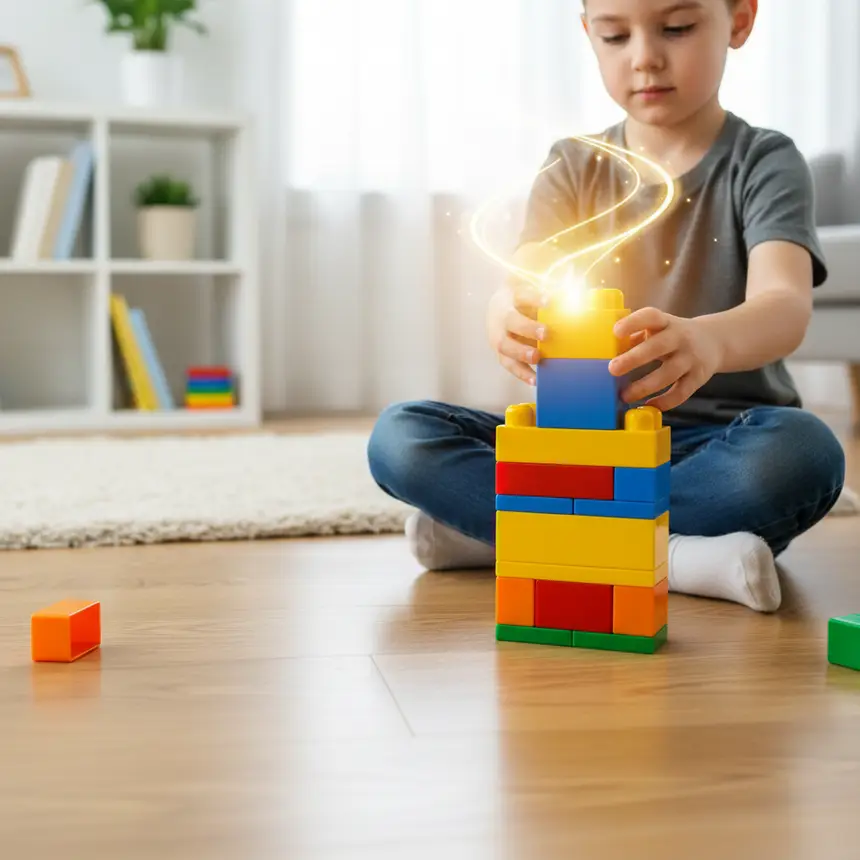
Understand the developmental milestones of 5- and 7-year-olds and create tailored parenting strategies. Discover specific ways to support their language, creativity, and social growth, along with thoughtful parenting approaches.

Decoding Your Child's Unique Growth: Key Developmental Milestones by Age
Understanding the unique developmental characteristics of your child's age is the cornerstone of effective parenting. Especially between ages 5 and 7, children experience significant shifts in their cognitive, linguistic, and social development. By recognizing these crucial stages of child development, parents can gain a deeper insight into their child's behavior. This allows them to provide the right kind of stimulation and support, helping their child reach their full potential. For instance, knowing about a 5-year-old's rapid language acquisition and boundless imagination, or a 7-year-old's developing logical reasoning and the growing importance of peer relationships, enables parents to interact with their child on their level. This creates a secure environment where children feel understood and can engage positively with the world, which is fundamental for their emotional stability and well-rounded growth.

Tailored Strategies to Support Your 5- and 7-Year-Old's Healthy Development
Parenting strategies that are customized to your child's age play a critical role in fostering healthy growth. For a 5-year-old, who is typically in a phase of rapid language development, it's beneficial to frequently read picture books and encourage language games like rhyming or storytelling. To nurture their rich imagination, facilitate role-playing, free-form art activities, and constructive play with blocks or clay. It's also vital to provide ample opportunities for outdoor activities like park visits or bike rides, and plenty of unstructured physical play, allowing them to channel their abundant energy positively.
For 7-year-olds, activities that challenge their more complex thinking are ideal. Encourage reading to expand their knowledge and support creative expression through writing their own stories or drawing. Simple board games and puzzles can help develop problem-solving skills. As peer relationships become increasingly significant at this age, create opportunities for social interaction and gently guide them in resolving conflicts independently, rather than intervening directly. Above all, ensure your child receives balanced nutrition with a variety of seasonal fruits and vegetables, and adequate sleep, which are indispensable for their overall development.
For 7-year-olds, activities that challenge their more complex thinking are ideal. Encourage reading to expand their knowledge and support creative expression through writing their own stories or drawing. Simple board games and puzzles can help develop problem-solving skills. As peer relationships become increasingly significant at this age, create opportunities for social interaction and gently guide them in resolving conflicts independently, rather than intervening directly. Above all, ensure your child receives balanced nutrition with a variety of seasonal fruits and vegetables, and adequate sleep, which are indispensable for their overall development.
※ This post contains affiliate links. I may earn a commission at no extra cost to you.


Embracing Individuality: The Role of Parents in Nurturing Unique Paths
Every child develops at their own unique pace and in their own distinct way. Therefore, the most crucial aspect of guiding your child's growth is to respect their individual rhythm and personality, rather than comparing them to others. Comparisons can place unnecessary pressure and stress on a child, so it's best to avoid them. Creating a safe and supportive environment where your child feels secure to explore and grow is paramount. Your warm attention, unwavering encouragement, and consistent love are the most powerful forces for boosting your child's self-esteem and fueling their developmental drive. Instead of striving for perfect parenting, aim to be a 'good parent' by being responsive to your child's subtle cues and striving to communicate at their level. The parenting tips and developmental stage insights provided here will be especially useful for parents of preschoolers and early elementary-aged children, roughly between 5 and 7 years old. Remember that supporting your child with trust and love, while respecting their individuality, is the surest path to fostering their healthy growth during these foundational years.
Frequently Asked Questions
Q. My 5-year-old focuses intensely on one type of play (e.g., role-playing). Is that okay?
A. It's completely normal for a 5-year-old to immerse themselves in a particular type of play. This indicates developing focus and imagination, and they might be practicing social skills through specific roles. While it's great to allow them ample time to engage, also gently suggest other types of play (like art or physical activities) occasionally to encourage diverse experiences.
Q. My 7-year-old often has conflicts with peers. How can I help them?
A. At age 7, peer relationships become more significant, so conflicts are common. First, validate your child's feelings and calmly listen to their account of the situation. Instead of solving it for them, help them think of solutions by asking questions like, 'What do you think we could do?' and offer guidance on communication skills or compromise if needed.
Q. What kind of environment can I create to foster my child's creativity?
A. A child's creativity thrives in an environment of free exploration and expression. Provide art supplies they can use without strict rules and a space for building with various materials. Instead of demanding right answers, ask open-ended questions like, 'What are your thoughts?' and encourage their unique ideas, no matter how whimsical they seem.