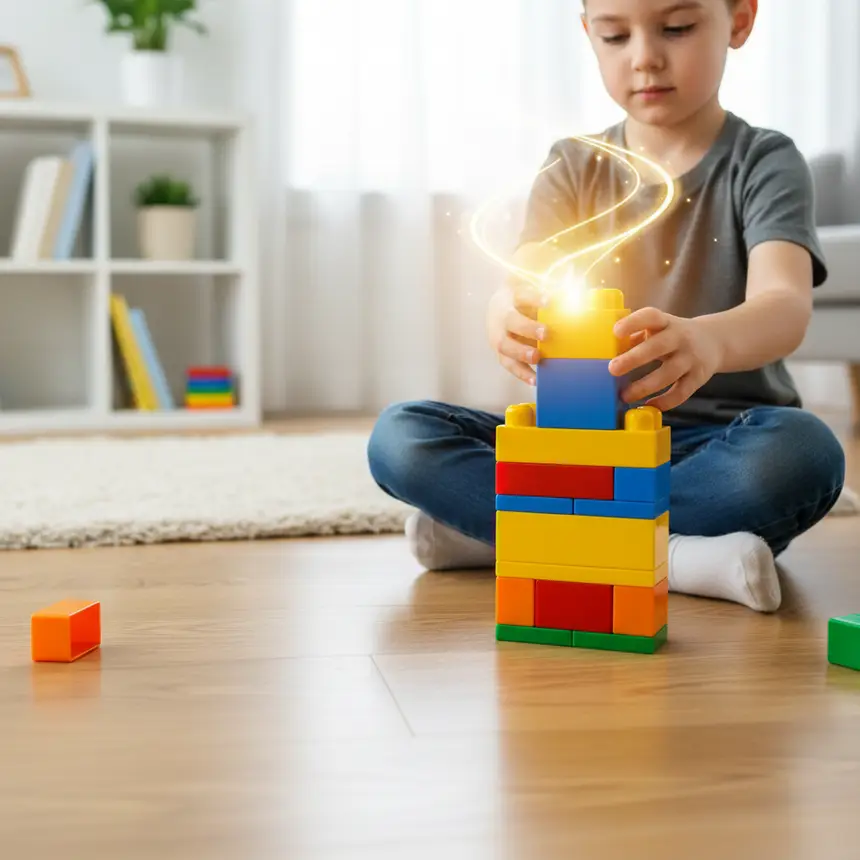
Discover how to naturally enhance your child's concentration through engaging learning habits. Learn to create a joyful educational environment and integrate balanced daily routines for optimal early childhood development.

The Critical Role of Early Childhood Concentration
Early childhood is a period of rapid brain development. The ability to concentrate, developed during these formative years, profoundly impacts more than just academic performance; it shapes problem-solving skills, social development, and a positive attitude toward learning. Moments when a child is deeply engrossed in an activity are invaluable for fostering cognitive abilities and emotional stability. Therefore, establishing enjoyable and structured learning habits is crucial for unlocking a child's full potential. When children are provided with an environment where they can pursue their interests and engage deeply, their concentration naturally improves, and they develop a positive perception of learning. This foundation not only supports their future educational journey but also cultivates the self-directedness essential for life.

Balanced Strategies for Child Growth: Learning and Lifestyle
To effectively support a child's focus and overall development, a balance across all aspects of life, not just learning content, is essential. First, learning approaches should be playful and include a variety of activities. An integrated approach that spans multiple domains—like drawing, storytelling, simple counting games, and listening to music—stimulates a child's curiosity and prevents boredom. Adapting learning material to a child's individual developmental pace is also key. Rather than pushing them through content, it's more effective to naturally guide them when they show interest and are ready for the next step. For instance, if a child struggles with a new concept, flexibility to explain it differently or take a short break is vital. Furthermore, outdoor activities are just as important as indoor learning. Daily physical activity to expend energy and stimulate the senses is crucial for improving concentration and relieving stress. Regular sleep and a balanced diet are fundamental pillars supporting a child's physical and mental health. A healthy body is where concentration flourishes best.
※ This post contains affiliate links. I may earn a commission at no extra cost to you.


Cultivating Joyful Learning Habits in Daily Life
Integrating learning habits that boost a child's concentration into daily life can be simpler than it seems. The most important elements are 'consistency' and 'enjoyment.' First, establish short, regular times for learning activities. For example, designate 15 minutes after dinner for reading a book or doing a simple puzzle. Since a child's attention span is short, daily repetition, even for brief periods, yields long-term benefits. Second, create a learning space where your child feels comfortable and can focus. A tidy desk and age-appropriate learning tools are helpful. Third, reflect your child's interests as much as possible. Incorporating their favorite characters or passions into learning content encourages much more active participation. For example, for a child who loves dinosaurs, you can read dinosaur picture books or use dinosaur figures for counting games. Fourth, ensure ample free play time before and after learning to reduce pressure and help them de-stress. Positive parental encouragement and praise play a huge role in motivating children to learn and building their self-esteem.

Tips for Successful Early Childhood Learning
Learning in early childhood should be a joyful exploration, not a source of stress. First, avoid comparing your child to others and respect their unique developmental pace. Every child grows at their own rate, and acknowledging this is fundamental to a healthy learning attitude. Second, quality over quantity matters in learning. Instead of force-feeding too much information at once, allowing a child enough time to fully understand and enjoy a concept is far more beneficial for long-term learning effectiveness. Third, rather than seeking perfection, extensively praise and encourage your child's small efforts and achievements. Instilling the courage to try again without fear of failure is crucial. Fourth, particularly from preschool through early elementary years, an approach that blurs the lines between play and learning is highly effective. Choose learning materials appropriate for your child's age and developmental stage, and be flexible enough to pause or switch to another activity if your child loses interest. Above all, warm interaction and support from you are the most powerful motivators for all learning.
Frequently Asked Questions
Q. What are the most effective ways to improve a young child's concentration?
A. Provide play-based activities that naturally capture their interest, and establish positive habits through short, regular learning sessions. Additionally, incorporating ample rest and outdoor activities helps reduce brain fatigue and boosts concentration through physical engagement.
Q. When is the best time to start introducing learning activities to my child?
A. Since every child develops at their own pace, rather than setting a specific age, it's best to start when your child shows curiosity and signs of wanting to learn new things. Simple learning activities can often be introduced playfully around age 3 and up.
Q. What should I do if my child loses interest in learning activities?
A. If your child loses interest, pause the learning activity and switch to something else, or try a different approach. Incorporate themes or play elements your child loves into learning, or participate together to make it a fun experience. Forcing it can be counterproductive.
Q. How long should daily learning sessions be for young children?
A. Young children have very short attention spans, so it's most effective to have several short sessions of about 5-15 minutes each. Adjust based on your child's age and concentration level; consistency of 'a little bit every day' is key.