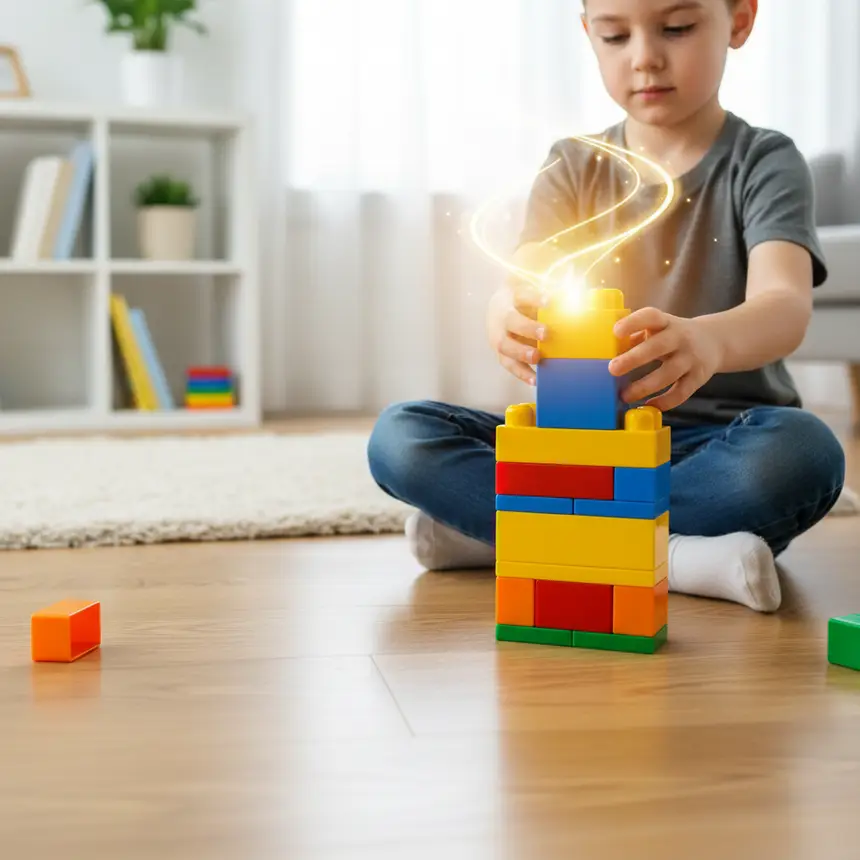
Discover the profound benefits of early childhood art education for fostering creativity and right-brain development. Learn practical ways to support your child's artistic journey. A smart guide for your child's future.

Shaping Future Innovators: The Power of Early Art Education
As parents, we constantly ponder the best path for our children's education. In our rapidly evolving world, what skills will truly empower them to lead happy and successful lives? We instinctively know that merely accumulating knowledge isn't enough. Especially during their early years, it's crucial for children to have ample opportunities to express and develop their unique perspectives and thoughts. This is precisely where effective early childhood art education plays a pivotal role in awakening a child's inherent creativity and fostering healthy right-brain development. Education that helps children think independently, solve problems, and understand the world in their own way – that's the kind of upbringing every parent truly desires for their child.

Beyond Coloring Books: The Limitations of Standard Home Art Activities
Spending time on art activities at home with your child is undoubtedly precious and enjoyable. However, many common activities, like coloring books or pre-packaged craft kits, often confine children to predetermined frameworks. Instead of encouraging a child to imagine and create something new, the focus can shift to following instructions or replicating a specific outcome. While these might aid fine motor skill development, they often fall short in allowing a child to freely express their inner thoughts and emotions. Many parents feel this gap and seek educational approaches that can truly unlock their child's individuality and potential. It's vital to find learning environments that cater to each child's temperament and developmental stage, rather than adhering to uniform standards.
※ This post contains affiliate links. I may earn a commission at no extra cost to you.


More Than Just Drawing: Art Education as a Catalyst for Cognitive Growth
Authentic early childhood art education is not just about teaching drawing techniques. It focuses on developing a child's 'thinking power' through the process of visually expressing their thoughts and imaginations. Early childhood is a golden period for right-brain development, making art activities during this time profoundly impactful on enhancing functions like spatial perception, intuition, and creativity. It's essential for children to decide what they want to draw or create, ponder which colors and materials to use, and through that process, construct their own narratives. Educators don't offer direct answers but instead ask open-ended questions like, "What did you want to express?" or "Why did you choose these colors?" This encourages children to think deeper and explore independently. Such experiences make a child's brain more flexible and naturally foster problem-solving skills.

Cultivating Creativity: Practical Strategies for Parents
Here are concrete ways parents can foster their child's creativity and self-expression:
- 1. Offer Diverse Material Exploration: Encourage your child to explore and utilize various everyday materials beyond standard art supplies, such as leaves, pebbles, string, or recycled items. This stimulates tactile and visual senses, sparking new inspiration.
- 2. Stimulate Thought with Open-Ended Questions: Instead of just saying, "That's good!" about your child's artwork, ask questions that probe their thoughts, like "What story were you trying to tell in this picture?" or "How does using this color make you feel?" This helps children articulate their thoughts and emotions.
- 3. Value the Process Over the Product: Praise and encourage the act of drawing and creating itself, rather than focusing solely on the finished product. The sense of accomplishment gained from self-exploration and effort is far more important.
- 4. Respect Individual Expression: Every child perceives and expresses things differently. Acknowledge that there's no 'wrong' way to draw and respect your child's unique perspective and method of expression. For instance, if your child repeatedly draws certain objects as if trying to understand their structure or principles, support this curiosity and provide opportunities for further exploration.

Empowering Potential: A Message to Parents Embracing Art
Every parent wishes for their child to grow up happily and live a life filled with their unique brilliance. Early childhood art education is one of the most powerful tools to turn these aspirations into reality. For a child, art transcends simple play; it becomes a conduit for understanding the world, expressing themselves, and unleashing boundless imagination. As children observe the world through their distinct lens and articulate those experiences in their own language, we can discover the incredible potential hidden within them. Starting today, through shared art activities, encourage your child's creative wings to spread even wider. Their artistic journey will be a precious process of growth in itself.
Frequently Asked Questions
Q. When is the best time to start early childhood art education?
A. While it varies by developmental stage, it's generally good to introduce art activities naturally from around 2-3 years old, when children become curious and show interest in manipulating objects with their hands. At this age, the focus should be on free exploration and experience rather than structured lessons.
Q. How should I encourage my child if they feel they can't draw well during art activities?
A. In early childhood art, 'free expression' is more important than 'drawing well.' Encourage your child's attempts and efforts by asking questions and praising the process – what they thought about, what materials they explored – rather than just the outcome. It's crucial to convey that there's no single right way.
Q. What are some easy, creative art activities I can do at home?
A. You don't need fancy supplies for creative art play. For example, try sponge painting with watercolors, tearing and crumpling newspaper to make new shapes, or collecting natural items to create collages. Support your child in exploring and using materials independently.
Q. How does early childhood art education impact a child's overall development?
A. Early childhood art education not only boosts creativity and imagination but also positively influences a child's overall cognitive and socio-emotional development, including fine motor skills, visual perception, problem-solving abilities, emotional regulation, and self-expression.