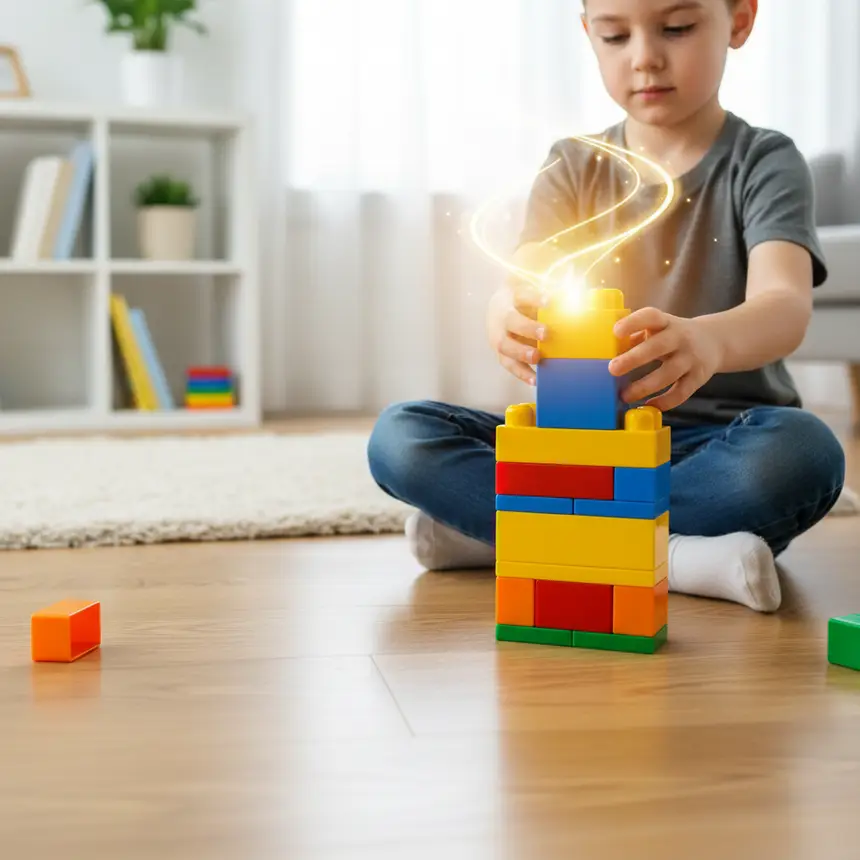
Is your child struggling with self-expression or giving up easily? Discover the importance of understanding their unique temperament and applying personalized educational strategies. Foster creativity and confidence in early childhood with these insights.

H2. 'Why is My Child So Reserved?' A Common Parental Concern
Many parents frequently ponder their child's methods of self-expression. It’s particularly disheartening when a child is quiet in new settings or easily gives up on new endeavors after a minor mistake. While other children might freely draw and enthusiastically share their thoughts, your child might hesitate, leading to parental frustration. Thoughts like, 'Am I failing to understand my child's true feelings?' can creep in. This situation often arises from an imbalance between a child's unique traits and external environments. Parents wish for their children to reach their full potential and grow into happy individuals who can communicate with the world, but finding the right path can be challenging.

H2. Developmental Challenges When Temperament is Overlooked
Every child's innate temperament and personality are as distinct as their fingerprints. Some children are outgoing and proactive, while others might be introverted and highly observant. Problems arise when these unique characteristics are not properly understood, and attempts are made to force children into standardized educational methods or societal expectations. For example, for a perfectionist child, asking 'What did you want to do better?' might be more effective than simply saying 'It's okay to make mistakes.' When children are exposed to rote learning or environments that prioritize results over their natural inclinations, they can easily lose interest and feel discouraged. This can lead to inhibited self-expression, fear of trying new things, and even decreased self-esteem, negatively impacting overall early childhood development. Listening to a child's inner voice is paramount.
※ This post contains affiliate links. I may earn a commission at no extra cost to you.


H2. Temperament-Based Education: Key to Self-Expression and Creativity
The most effective way to unleash a child's potential and foster their self-expression is through 'personalized education.' This goes beyond simply following a child's interests; it involves deeply understanding their innate temperament and developmental stage, then providing suitable learning environments and methods. For instance, for a delicate and observant child, project-based activities that encourage free exploration and in-depth analysis might be ideal. In contrast, an active and energetic child might thrive in activities that involve movement and expression using various materials. Parents should observe carefully to understand their child's temperament: when do they feel comfortable, what activities do they immerse themselves in, and how do they react to frustration? Furthermore, fostering an atmosphere that respects and encourages the 'process' of thinking, communicating, and expressing in their own way, rather than just producing a good end product, is essential for nurturing creativity.

H2. Practical Steps for Tailored Developmental Support
Tailored developmental support that considers a child's unique disposition can begin at home. Here are some actionable strategies:
1. Understand Temperament Through Careful Observation: Consistently record what your child focuses on during solo play, their role in peer interactions, and their reactions to new environments. Small changes can reveal significant temperamental traits.
2. Provide Small, Focused Environments: Consider smaller group activities or individualized guidance where teacher-child interaction is more frequent, rather than large, generic educational settings. For example, small classes with a ratio of about one teacher to four children can be advantageous for understanding each child's disposition and providing personalized feedback.
3. Encourage Process-Oriented Creative Activities: When looking at your child's drawings or creations, focus on discussing the 'how' and 'what' they wanted to express, rather than just the 'result.' Praising their thoughts and ideas fosters courage in self-expression.
4. Regular Communication and Feedback: It's crucial to receive regular, specific feedback from teachers or caregivers about your child's activities. Beyond simple praise, detailed explanations of where your child has grown and what strengths they possess significantly boost their self-esteem and motivation. Arranging small exhibitions for family or friends to see their completed works is also a great idea.
1. Understand Temperament Through Careful Observation: Consistently record what your child focuses on during solo play, their role in peer interactions, and their reactions to new environments. Small changes can reveal significant temperamental traits.
2. Provide Small, Focused Environments: Consider smaller group activities or individualized guidance where teacher-child interaction is more frequent, rather than large, generic educational settings. For example, small classes with a ratio of about one teacher to four children can be advantageous for understanding each child's disposition and providing personalized feedback.
3. Encourage Process-Oriented Creative Activities: When looking at your child's drawings or creations, focus on discussing the 'how' and 'what' they wanted to express, rather than just the 'result.' Praising their thoughts and ideas fosters courage in self-expression.
4. Regular Communication and Feedback: It's crucial to receive regular, specific feedback from teachers or caregivers about your child's activities. Beyond simple praise, detailed explanations of where your child has grown and what strengths they possess significantly boost their self-esteem and motivation. Arranging small exhibitions for family or friends to see their completed works is also a great idea.

H2. A Parent's Warm Support for Their Child's Growth
In a child's developmental journey, self-expression and creativity are continuously evolving. Witnessing a child who once struggled to hold a pencil now drawing independently and eagerly explaining their creations brings indescribable joy and fulfillment to parents. This isn't merely technical progress; it's evidence that the child has learned to connect and communicate their inner world with the external one. Understanding and respecting our child's unique pace and color, and providing a supportive environment tailored to them, is the most precious gift. A parent's effort to understand their child's temperament and help them find their own path will serve as a strong foundation for them to confidently face the world and express their unique identity. Why not start creating your child's special growth journey together, starting today?
Frequently Asked Questions
Q. How can I identify my child's temperament?
A. The best way to understand your child's temperament is through continuous observation. Pay close attention to how they react to new situations, what they easily immerse themselves in versus what they struggle with, and their interaction styles with peers and family. Seeking professional help for a temperament assessment can also provide objective insights.
Q. How can I help an introverted child with self-expression?
A. For introverted children, it's crucial to provide ample time for them to explore and express themselves in a safe and comfortable environment. Rather than forcing them, encourage them to try various non-verbal forms of expression first, like drawing, building, or role-playing, starting with topics they are interested in. Positive feedback for even small attempts is very important.
Q. Can personalized learning environments only be found in specialized institutions?
A. Not necessarily. At home, you can create a personalized environment by providing diverse materials that match your child's interests and temperament, allowing ample child-led playtime, and praising the process rather than just the outcome. If needed, considering learning environments that offer small group classes or individualized instruction can also be beneficial.
Q. How should I encourage my child when they are afraid of making mistakes?
A. It's important to convey that mistakes are part of the learning process. Instead of saying, 'It's okay to make mistakes, let's try again?', try asking specific questions like, 'What was challenging this time?' or 'How could we try it differently next time?' to help your child think through the problem-solving process themselves. Praise their effort and attempts more than the outcome.