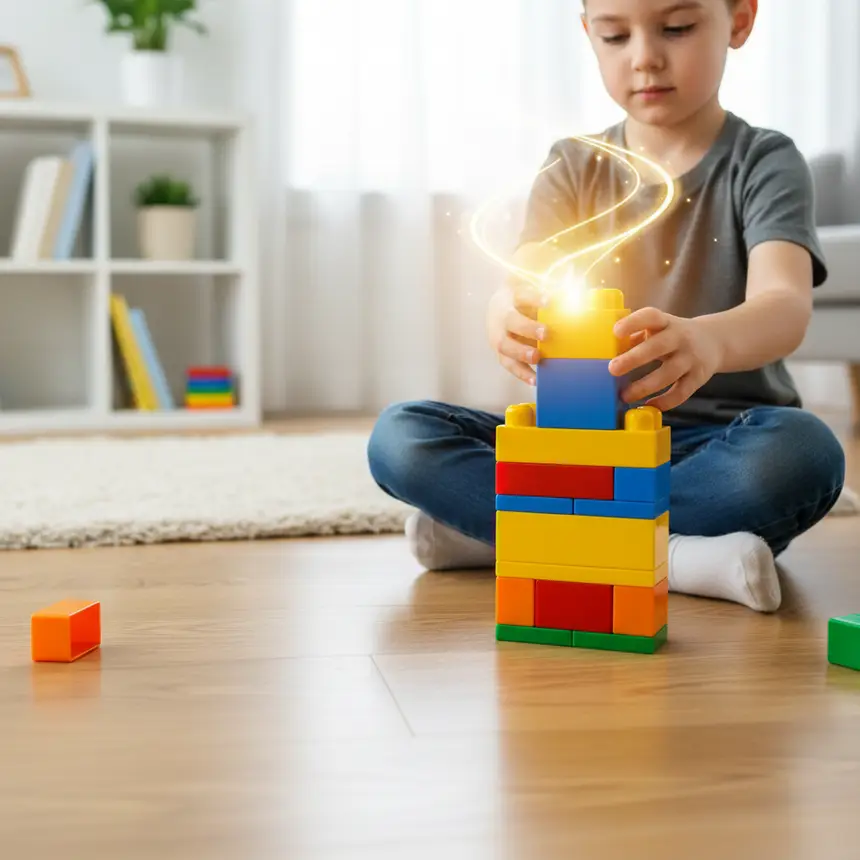
Discover effective learning routines and sensory play ideas to boost your 6-year-old's focus and creativity. Learn how to foster a love for learning through engaging and age-appropriate activities.

The Power of Playful Learning: Boosting Focus and Creativity in 6-Year-Olds
Age six is a pivotal period for a child's cognitive and social development. During this time, a well-structured learning routine combined with engaging sensory play can significantly unlock a child's full potential. Consistent activities help improve a child's concentration span and build solid foundations in essential academic skills like reading, writing, and basic math. Furthermore, play that stimulates various senses sparks curiosity and nurtures flexible thinking, leading to enhanced creative problem-solving abilities. This integrated approach encourages children to see learning as an enjoyable activity, fostering a love for discovery and a positive attitude towards future education. Start by observing what naturally piques your child's interest and use that curiosity as the springboard for their learning journey.

Engaging Strategies for Learning and Sensory Development in Early Childhood
For a 6-year-old, learning should always feel like an extension of play. To maximize effectiveness, consider their attention span and structure learning into short, manageable blocks—perhaps two 20-minute sessions totaling 40-50 minutes daily. For instance, follow a 20-minute language activity (like early reading or a foreign language) with another 20 minutes focused on math or logical thinking. The key is to engage them with captivating content like stories, songs, and interactive visuals, rather than relying on rote memorization.
Beyond screen-based learning, incorporating hands-on materials such as workbooks, sticker activities, coloring pages, and tracing exercises helps consolidate concepts and refines fine motor skills. Regular, brief interactions with an educator can also provide valuable feedback, encouragement, and motivation. As parents, monitoring their progress and adjusting the learning environment as needed is crucial.
To foster creativity, diverse sensory play is essential. Offer opportunities for activities like paper crafting, playdough modeling, finger painting, or sand play, where children actively explore and express themselves using their hands and eyes. Utilize readily available household items or online printable resources for a variety of engaging experiences. Establishing consistent routines, such as daily morning exposure to language through songs or bedtime stories, is also beneficial. Positive reinforcement, like awarding a small sticker or offering specific praise for completing tasks, can further boost their enthusiasm for learning. Designate a 'discovery corner' at home stocked with rotating items of various textures and art supplies to spark their natural curiosity.
Beyond screen-based learning, incorporating hands-on materials such as workbooks, sticker activities, coloring pages, and tracing exercises helps consolidate concepts and refines fine motor skills. Regular, brief interactions with an educator can also provide valuable feedback, encouragement, and motivation. As parents, monitoring their progress and adjusting the learning environment as needed is crucial.
To foster creativity, diverse sensory play is essential. Offer opportunities for activities like paper crafting, playdough modeling, finger painting, or sand play, where children actively explore and express themselves using their hands and eyes. Utilize readily available household items or online printable resources for a variety of engaging experiences. Establishing consistent routines, such as daily morning exposure to language through songs or bedtime stories, is also beneficial. Positive reinforcement, like awarding a small sticker or offering specific praise for completing tasks, can further boost their enthusiasm for learning. Designate a 'discovery corner' at home stocked with rotating items of various textures and art supplies to spark their natural curiosity.
※ This post contains affiliate links. I may earn a commission at no extra cost to you.


Nurturing Healthy Learning Habits for Your 6-Year-Old
Flexibility from parents is paramount in a 6-year-old's learning and development journey. Even the best-laid plans need adjustment based on a child's mood or energy levels. If your child struggles to focus or shows resistance, be prepared to take a break or switch to a different activity. This prevents negative associations with learning and helps children develop self-regulation skills.
Crucially, maintaining a balance between structured learning and free play is vital. Ensure there's ample time for unstructured play, outdoor adventures, and rest outside of designated learning periods. Free play allows children to explore independently, solve problems creatively, and develop their imagination. Furthermore, adequate sleep is indispensable for brain development and emotional well-being.
Cultivating a positive and supportive learning environment is also key. When your child makes mistakes or faces challenges, offer encouragement and support rather than criticism. Celebrate small achievements wholeheartedly. With parental support, children gain the confidence to try new things without fear of failure. This holistic approach is ideal for 6-year-olds, who are actively developing language, cognitive, and social skills, laying a strong foundation for them to become self-motivated learners who enjoy the process of discovery. Make sure to schedule at least 30 minutes of 'unstructured play' daily, encouraging your child to choose and lead their own play activities.
Crucially, maintaining a balance between structured learning and free play is vital. Ensure there's ample time for unstructured play, outdoor adventures, and rest outside of designated learning periods. Free play allows children to explore independently, solve problems creatively, and develop their imagination. Furthermore, adequate sleep is indispensable for brain development and emotional well-being.
Cultivating a positive and supportive learning environment is also key. When your child makes mistakes or faces challenges, offer encouragement and support rather than criticism. Celebrate small achievements wholeheartedly. With parental support, children gain the confidence to try new things without fear of failure. This holistic approach is ideal for 6-year-olds, who are actively developing language, cognitive, and social skills, laying a strong foundation for them to become self-motivated learners who enjoy the process of discovery. Make sure to schedule at least 30 minutes of 'unstructured play' daily, encouraging your child to choose and lead their own play activities.
Frequently Asked Questions
Q. How can I effectively increase my 6-year-old's attention span during learning?
A. A typical 6-year-old's attention span is around 15-20 minutes. Structure learning activities in short bursts, alternating between different types of tasks like reading, crafting, and singing. This keeps them engaged and prevents boredom. Involving your child in choosing activities or topics can also significantly boost their focus and willingness to participate.
Q. Why is sensory play important for a 6-year-old's creative development?
A. Sensory play allows children to explore and understand the world around them by touching, hearing, seeing, and feeling. This process encourages discovery, expression in various forms, and the development of imagination. It's crucial for fostering flexible thinking, problem-solving skills, and creative expression. For instance, playing with clay or painting provides a wonderful outlet for children to express their thoughts and emotions freely.
Q. What effective learning activities can I do at home with my 6-year-old?
A. Integrate learning naturally into daily routines at home. While cooking, count ingredients or compare quantities to introduce math concepts. Reading picture books together enhances language skills and imagination. Building blocks, puzzles, and simple board games are excellent for developing logical thinking and problem-solving abilities. You can also utilize free online resources for art projects or craft templates to encourage creativity.
Q. What should I do if my child resists starting a learning routine?
A. If your child resists a learning routine, first try to understand their feelings. Instead of forcing them, approach learning as a fun, playful activity and choose topics or methods that spark their interest. Start with very short sessions and gradually increase the time. Offer plenty of praise for small achievements. Sometimes, stepping back and allowing for free play can actually lead to better engagement with learning later on.