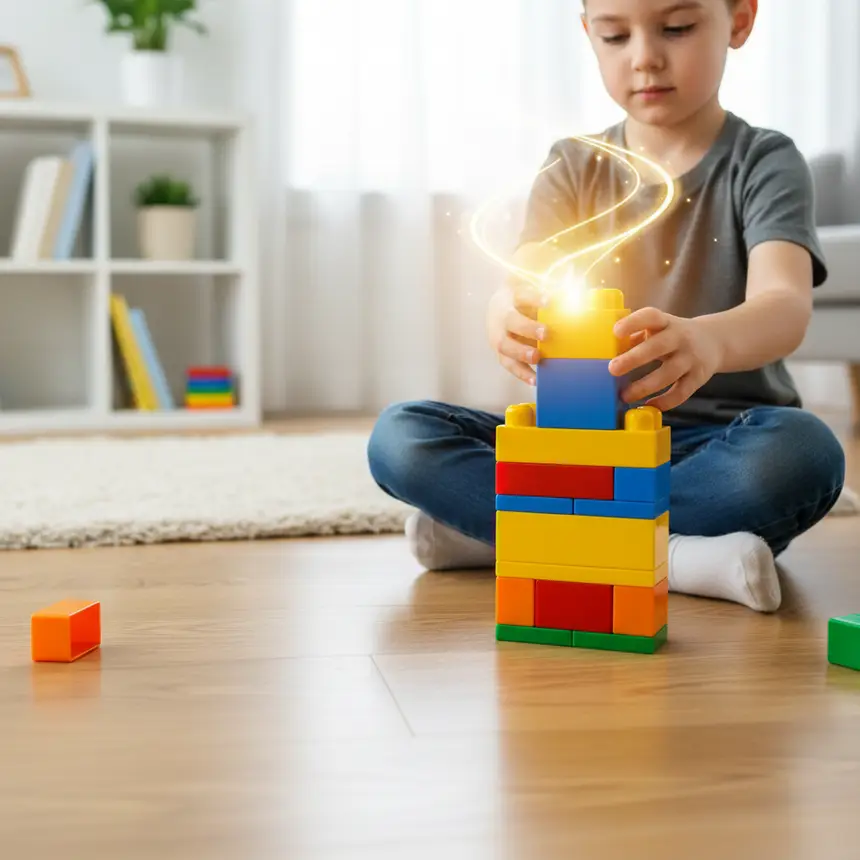
Is your child struggling with goodbyes? Separation anxiety is a common part of child development. Learn how parents can understand their child's anxious feelings and provide practical strategies to foster a sense of security and independence.

Is Your Child Struggling with Separation Anxiety? Understanding Their Fears
Does your little one burst into tears or cling to you every time you try to leave, even for a moment? If dropping off your child at daycare feels like a battle, or if they resist sleeping alone at night, these might be more than just typical toddler tantrums. While it's normal for children to experience some anxiety when separated from their primary caregivers, intense or prolonged reactions could signal childhood separation anxiety. When your child expresses extreme distress, or even physical symptoms like stomachaches or headaches, just thinking about you leaving, it’s time to tune into their emotional world more closely.

Beyond "Clinginess": Unpacking the Roots of Childhood Anxiety
Separation anxiety in children is far more complex than simply not wanting to be apart from a parent. For a child, parents represent the bedrock of their security and their safe haven in the world. The fear that this vital connection might be broken or compromised can trigger profound feelings of being alone and vulnerable. Beyond a child's natural temperament, parental attitudes and the home environment play significant roles. For instance, if parents often seem stressed, hurried, or unpredictable, a child might find it difficult to build trust in the world around them. Sudden changes in routine, family tensions, or even past negative experiences—like feeling lost or left alone in an unfamiliar place—can amplify a child's underlying anxiety. Sometimes, these anxieties manifest physically, appearing as tummy troubles or headaches, because young children often lack the words to express such complex emotions.
※ This post contains affiliate links. I may earn a commission at no extra cost to you.


Nurturing Security: Wise Parental Responses to Ease Anxiety
Helping your child navigate separation anxiety requires a blend of understanding and patience from your side. The first crucial step is to acknowledge and validate your child's feelings without judgment. Instead of saying, "Why are you making such a fuss?" try "It sounds like you're feeling scared or worried about me leaving, and that's okay." This reassures your child that their emotions are valid and safe to express. Equally important is building trust through predictable returns. Consistently showing your child that you leave and always come back—even after brief absences, like stepping into another room or going on a short errand—helps them internalize the belief that "Mommy/Daddy always returns." Establishing predictable daily routines also offers immense comfort. This could mean having a consistent goodbye ritual before daycare or always arriving home at a specific time. Such predictable patterns help reduce uncertainty, fostering psychological calm.

Everyday Steps to Cultivate Independence and Calm
Here are practical tips you can integrate into daily life to help ease your child's separation anxiety:
- Create a Consistent Goodbye Ritual: Develop a special, consistent way to say goodbye each time you part. A quick hug, a special phrase like "I love you, I'll be back soon," and a wave from the window can make goodbyes more predictable and less daunting.
- Gradually Increase Separation Time: Start small. Encourage your child to play alone in their room for just 5 minutes while you're nearby, or make a quick trip to a neighbor's house. As they succeed, offer praise and slowly extend the time away, building their confidence.
- Encourage Independence: Praise and support your child for tasks they can do independently, such as dressing themselves or tidying up toys. These small successes build self-esteem and a sense of autonomy, showing them they can manage without constant parental presence.
- Manage Your Own Anxiety: Children are highly attuned to their parents' emotions. If you feel anxious about leaving, your child might pick up on it. Practice managing your own stress and try to maintain a calm, reassuring demeanor during goodbyes.

Fostering Resilience: A Parent's Compassionate Guide to Healthy Growth
Childhood separation anxiety is a natural, albeit challenging, phase as children explore the world and develop their individual identities. The key for parents is to compassionately recognize these feelings and provide a stable anchor to help them overcome their fears. By empathizing with their emotions from their perspective, offering predictable environments, and practicing consistent, small separations, children gradually learn to regulate their emotions and build trust in their world. If your child's separation anxiety becomes overwhelming, significantly affecting their daily life or social interactions, seeking guidance from a child development specialist might be beneficial. Remember, your child's anxiety is often a signal that they need your attention and support. Your warm engagement and consistent efforts will be invaluable in helping them grow into resilient, well-adjusted individuals.
Frequently Asked Questions
Q. When does childhood separation anxiety typically resolve?
A. While it varies based on a child's temperament and environment, separation anxiety generally starts to decrease between the ages of 3 and 5. However, individual differences are significant, and parental support and environment play a crucial role.
Q. Should I seek professional help if my child's separation anxiety is severe?
A. Yes, if your child's separation anxiety significantly disrupts their daily life (e.g., attending school/daycare, peer relationships) or if physical symptoms persist, it's advisable to consult a child psychologist or developmental specialist for an accurate assessment and support.
Q. Can busy parents make separation anxiety worse?
A. A parent's busy schedule isn't necessarily a direct cause of separation anxiety. However, the quality of time spent with the child and the parent's own emotional stability can be affected. The crucial factor is the quality of interaction and the sense of security conveyed to the child, rather than just the quantity of time.
Q. How can I start practicing independent play with an anxious child?
A. Begin by staying in the same room, telling your child, "Mommy/Daddy will be right here, why don't you play with your toys over there?" Gradually increase the distance or briefly step into another room and return. It's important to practice this in small, progressive steps.