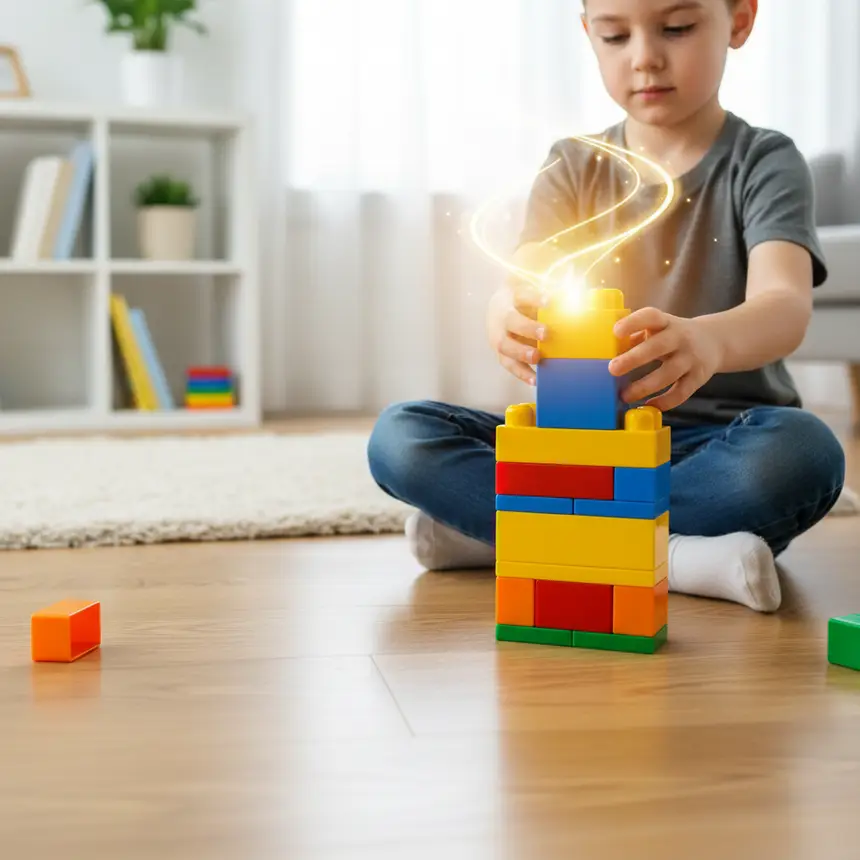
Is your child's aggressive behavior just stubbornness? Understand the common types of aggression in toddlers and discover practical parenting guides on how to respond wisely to each. Take the first step towards your child's healthy development.

Understanding Your Child's Aggression: A Path to Easier Parenting
Many parents feel overwhelmed and confused when their toddlers exhibit aggressive behaviors like sudden screaming, pushing friends, or throwing objects. It’s easy to dismiss these actions as mere defiance or bad habits. However, much of this behavior is a natural part of a child's developmental journey. Toddler aggression manifests in various forms, and each type signals different underlying needs and requires specific guidance from parents. Grasping the true motivations behind your child's actions can significantly reduce parental stress and empower you to provide more effective guidance, fostering positive behavioral changes. Accurately identifying the type of aggression your child is displaying helps you move beyond just stopping the behavior, contributing immensely to their social and emotional regulation skills.

Four Key Types of Toddler Aggression and How Parents Can Respond Wisely
Aggressive behaviors observed in toddlers can generally be categorized into four main types, each benefiting from a tailored approach.
1. Goal-Oriented Aggression: This behavior occurs when a child acts aggressively to achieve a specific aim. For instance, pushing another child to grab a desired toy, or stomping their feet to get a specific snack. The intent isn't to cause harm, but rather to fulfill a personal desire.
2. Reactive Aggression: This type of aggression is a defensive response to perceived external stimuli or threats. Examples include a child getting angry and pushing back after accidentally bumping into a playmate, or throwing an object when teased by another child. It reflects a desire for retaliation after perceiving another's actions as an attack.
3. Unintentional Aggression: This occurs when a child causes harm to others without intending to. It often stems from underdeveloped motor control or an inability to anticipate consequences. Examples include running excitedly and accidentally knocking over a friend, or spilling water on someone while trying to drink.
4. Exploratory Play Aggression: This is aggressive behavior that occurs as part of play, typically rough-and-tumble play or testing boundaries. While there's no intent to harm, it can lead to accidental injuries or discomfort for others. Examples include wrestling too hard and hurting a playmate, or finding joy in destructively dismantling a tower of LEGOs.
1. Goal-Oriented Aggression: This behavior occurs when a child acts aggressively to achieve a specific aim. For instance, pushing another child to grab a desired toy, or stomping their feet to get a specific snack. The intent isn't to cause harm, but rather to fulfill a personal desire.
- Wise Response: Teach your child the concept of 'taking turns' and encourage them to use words to express their desires, such as 'Can I have a turn after you?' instead of just grabbing. Practice asking questions like, 'May I play with that when you’re done?' to promote verbal negotiation.
2. Reactive Aggression: This type of aggression is a defensive response to perceived external stimuli or threats. Examples include a child getting angry and pushing back after accidentally bumping into a playmate, or throwing an object when teased by another child. It reflects a desire for retaliation after perceiving another's actions as an attack.
- Wise Response: First, acknowledge and validate your child's feelings. Say things like, 'You seemed surprised when your friend bumped you,' or 'When you push, your friend gets hurt.' Connect their emotions to the consequences of their actions. Then, practice self-regulation techniques together, such as deep breaths or moving to a quiet space when feeling upset.
3. Unintentional Aggression: This occurs when a child causes harm to others without intending to. It often stems from underdeveloped motor control or an inability to anticipate consequences. Examples include running excitedly and accidentally knocking over a friend, or spilling water on someone while trying to drink.
- Wise Response: It's crucial to teach your child to ask 'Are you okay?' or to apologize by saying 'I'm sorry.' Help them understand it was unintentional, and guide them to be more aware of their surroundings. Provide specific instructions like, 'When you run, watch where you’re going' to help them develop situational awareness.
4. Exploratory Play Aggression: This is aggressive behavior that occurs as part of play, typically rough-and-tumble play or testing boundaries. While there's no intent to harm, it can lead to accidental injuries or discomfort for others. Examples include wrestling too hard and hurting a playmate, or finding joy in destructively dismantling a tower of LEGOs.
- Wise Response: Establish clear play rules with your child, setting boundaries like 'No playing that hurts others.' Help them understand others' feelings and efforts by saying, 'Your friend might get hurt,' or 'That was something your friend worked hard to build.' Teach them respectful ways to play together.
※ This post contains affiliate links. I may earn a commission at no extra cost to you.


The Power of Consistency: Further Advice for Smart Parenting
Consistency is paramount when guiding aggressive behaviors in toddlers. An inconsistent approach, where certain behaviors are allowed one day and prohibited the next, can be confusing for a child. It's vital that all parents and caregivers respond with the same principles to effectively modify the child's behavior. Furthermore, when a child exhibits aggressive behavior, it's crucial to respond immediately, firmly, but calmly. Instead of yelling or reacting emotionally, explain clearly and concisely what went wrong at their eye level, and then suggest appropriate alternative behaviors.
Positive reinforcement and praise are also indispensable. When your child demonstrates positive behaviors in conflict situations, such as waiting patiently, sharing, or expressing themselves verbally, offer immediate praise and encouragement. This motivates them to repeat desirable actions.
Most toddler aggression tends to naturally decrease as children grow and their language and social skills develop. However, if aggressive behaviors persist frequently or intensely beyond a certain age (e.g., past 5 years old), if they reach a level where the child harms themselves or others, or if they significantly disrupt peer relationships or daily life, it would be wise to consider seeking professional help. Consulting with a child development specialist can help you gain a deeper understanding of the behavior's root causes and explore appropriate support strategies. Your consistent attention and love remain the most significant influences on your child's healthy emotional development.
Positive reinforcement and praise are also indispensable. When your child demonstrates positive behaviors in conflict situations, such as waiting patiently, sharing, or expressing themselves verbally, offer immediate praise and encouragement. This motivates them to repeat desirable actions.
Most toddler aggression tends to naturally decrease as children grow and their language and social skills develop. However, if aggressive behaviors persist frequently or intensely beyond a certain age (e.g., past 5 years old), if they reach a level where the child harms themselves or others, or if they significantly disrupt peer relationships or daily life, it would be wise to consider seeking professional help. Consulting with a child development specialist can help you gain a deeper understanding of the behavior's root causes and explore appropriate support strategies. Your consistent attention and love remain the most significant influences on your child's healthy emotional development.
Frequently Asked Questions
Q. My child has suddenly started acting aggressively. Why is this happening?
A. A sudden onset of aggressive behavior in children can stem from various reasons. It might be due to stress from new environments, fatigue, difficulty expressing frustration, or simply a bid for attention. Sometimes, if language development isn't fully mature, children express their feelings or desires physically because they can't articulate them verbally. It's important to consider recent changes in your child's life or their current emotional and physical state.
Q. What's an effective way to discipline my child if they hit a friend?
A. When your child hits a friend, it's crucial to immediately intervene and state firmly, 'Hitting is not okay.' Make eye contact and empathetically say, 'Your friend feels hurt.' Then, guide them to express themselves with words or ask for help instead of hitting. Once your child has calmed down, listen to their reasons for the behavior and suggest alternative actions, such as, 'Next time, try telling your friend you're upset,' which is more effective.
Q. How can I help my child who has a strong aggressive tendency?
A. For children with strong aggressive tendencies, it's beneficial to provide ample opportunities for energy release. Encourage outdoor activities or physical play to help them discharge pent-up energy. Also, encourage creative outlets like drawing or building to help them express their emotions. Using emotion cards or storybooks to help them recognize and express various feelings is also important. Providing consistent rules and positive feedback to encourage appropriate behaviors is essential.
Q. I'm worried about my toddler's aggression. When is it time to seek professional help?
A. It's time to consider professional help if your child's aggressive behavior is frequent, intense, regularly harms themselves or others, or significantly impedes their ability to form peer relationships. If you feel that despite your best efforts, behavior improvement is difficult, or if the aggression consistently disrupts daily life, it's advisable to consult with a child development specialist or counselor. This can help accurately assess your child's developmental stage and provide tailored support.