Wondering about your 6-year-old's developmental journey? Explore key physical, language, and social milestones at this age, and discover practical parenting tips to support your child's growth and potential.

Is My Child On Track? Addressing Common Parenting Worries About 6-Year-Old Development
As parents, we constantly wonder about our children's development. This concern often intensifies around age six, especially as they approach school entry. We find ourselves asking: Are they growing as tall and strong as their peers? Is their language development progressing well? How are their social interactions? It's natural to seek reassurance and to want to understand their developmental progress across physical, linguistic, and emotional domains. However, it's crucial to remember that every child unfolds at their own unique pace and in their own way. Instead of getting caught in the comparison trap, focusing on your child's individual strengths and areas where they might need a little extra support is far more beneficial.

The Dynamic Landscape of 6-Year-Old Growth: Balancing Physical, Cognitive, and Social Flourishing
The age of six is a period of remarkable growth where children showcase diverse developmental patterns across various domains. For instance, a child might be on the petite side for height or weigh less than the average for their age, but these physical metrics are just one piece of a larger puzzle. That same child might demonstrate exceptional flexibility, expressing an interest in activities like ballet, or display advanced fine motor skills, such as adeptly using chopsticks. Developing self-care routines, like brushing their teeth independently or managing bathroom needs, are also significant markers of this stage. Children often exhibit unique strengths, excelling in one area while progressing at a different pace in another. Recognizing and celebrating these varied talents, rather than fixating on specific numbers, allows us to appreciate the rich tapestry of their individual growth journey.
※ This post contains affiliate links. I may earn a commission at no extra cost to you.


Nurturing Your Child's Potential: The Pillars of Balanced Nutrition, Active Play, and Positive Habits
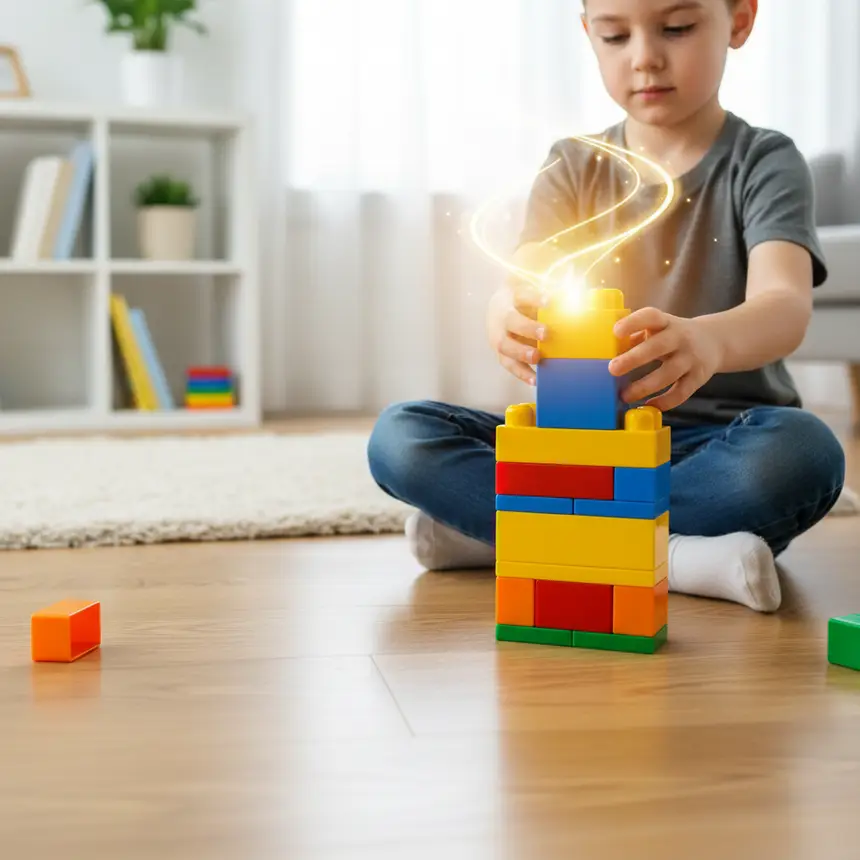
To truly unlock your child's potential, a harmonious blend of balanced nutrition, consistent physical activity, and positive daily habits is essential. When it comes to diet, it's not just about ensuring they get enough calcium, but also providing a diverse range of fruits, vegetables, and protein sources for a well-rounded intake. If your child is a picky eater, try involving them in meal preparation or talking about the foods, making mealtimes an enjoyable experience. For physical development, encourage activities that genuinely excite them. Creative pursuits like drawing or building with blocks can foster concentration and stimulate imagination, while dynamic play like tag or bike riding contributes to gross motor skills and helps expend energy. The key is to respect their interests and create an environment where they can learn and grow naturally through play. Moreover, celebrate their acts of independence, whether it's looking out for a younger sibling or dressing themselves. Even if a child's language development started a bit slower, consistent conversation and exposure to numbers and concepts—like learning to count to 100 or identifying national flags—can significantly boost their cognitive abilities. Engaging with educational English content, like animated yoga songs, can also be a fun way to spark their interest in new languages.

Empowering Growth: Your Actionable Guide to Supporting Your 6-Year-Old
A 6-year-old's development is a precious journey, encompassing more than just physical growth; it's about building independence, refining social skills, and discovering unique strengths. As parents, you are their staunchest allies on this path. It's vital to understand your child's individual developmental rhythm, focusing on their blossoming strengths rather than perceived weaknesses, and offering endless praise and encouragement. Embrace all facets of their personality—whether they're a bit shy and reserved at first but light up with active, outgoing play. Creating a consistent and nurturing home environment is paramount in this growth process. Maintain predictable routines, and ensure they feel safe and supported enough to explore freely and ask questions. Watching your child thrive at their own pace, growing happily and healthily, is truly one of the most rewarding gifts a parent can give. Keep cheering them on as they continue to blossom beautifully and robustly.
Frequently Asked Questions
Q. What if my 6-year-old is shorter than their peers?
A. Child growth varies widely. Instead of focusing solely on height, ensure they have a balanced diet, sufficient sleep, and regular physical activity. Consulting a pediatrician for a comprehensive assessment of their overall development is always a good step.
Q. My child lost interest in an activity they used to love. How should I handle it?
A. It's common for children's interests to shift. Rather than forcing them, encourage exploring new activities. Provide a variety of experiences to help them discover new passions. The goal is to foster a love for learning and engagement, not to master every single activity.
Q. How can I help my 6-year-old who seems to be a late talker?
A. Creating a rich language environment is key. Engage in conversations, read books together daily, sing songs, and ask open-ended questions. Provide ample opportunities for them to express themselves. Patience and consistent interaction are vital for encouraging language development.