Make smart choices for kids' summer water wear. Our guide helps you select children's swimwear that provides UV protection and allows for active play, safeguarding your child's skin for fun summer memories.
The Importance of Proper Summer Attire for Children's Skin Health and Activity
For children to fully enjoy their time outdoors under the bright summer sun, selecting appropriate water play clothing is paramount. Beyond just appealing designs, it's crucial to consider functional aspects that protect a child's delicate skin from intense UV rays and ensure freedom of movement both in and out of the water. The right children's swimwear and water apparel provide effective UV protection, preventing sunburn and long-term skin damage, while also allowing kids to play comfortably and happily. This enhances the quality of summer outdoor activities and positively influences a child's physical development and emotional well-being. Prioritizing your child's summer health and safety means being thoughtful about water wear choices. For instance, if you plan for extended periods at an outdoor pool or beach, prioritizing designs that adequately cover arms and legs is a wise approach.

Creating a Pleasant Water Play Environment with Functional Fabrics and Design
When selecting summer water wear for your child, carefully examine functional fabrics and designs that prioritize active movement. First, checking for UV protection features is essential. A UPF (Ultraviolet Protection Factor) rating of 50+ blocks over 98% of harmful UV rays, effectively shielding your child's skin. For areas frequently exposed to the sun during water play, choosing long-sleeved and long-legged designs, like rash guards, is a smart move. Second, materials that dry quickly and are lightweight when wet, such as nylon or polyester blends, are ideal. These fabrics prevent children from getting too cold due to body temperature drop after water activities and maintain their mobility. Third, select a fit that allows your child to move freely—neither too tight nor too loose. For example, for highly active children, comfortable shoulder and chest areas with adjustable waistbands on bottoms are beneficial. Water play attire should be seen not merely as pretty clothes but as essential gear for a child's safety and comfort.
※ This post contains affiliate links. I may earn a commission at no extra cost to you.

Age-Appropriate Choices and Care for Delightful Summer Memories
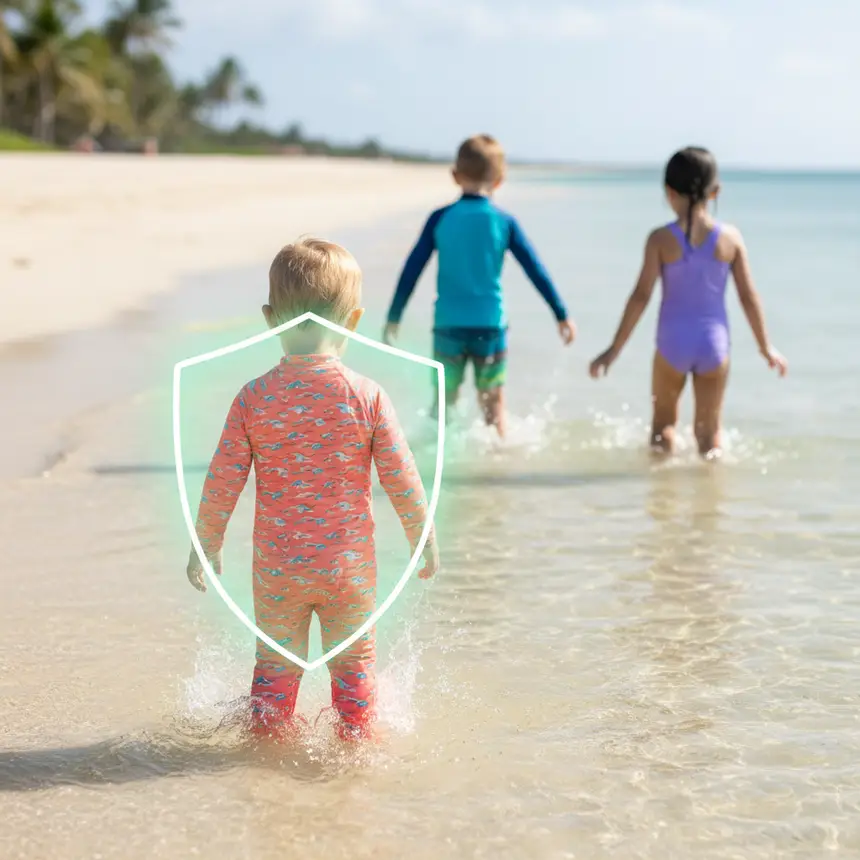
Selecting children's swimwear and summer water play clothes according to their age and activity level, and maintaining them correctly, is crucial for a fun and safe summer. For infants and toddlers, who are particularly vulnerable to UV rays, it's best to choose full-body swimsuits or rash guard sets with hats to minimize exposed skin. In contrast, for highly active elementary school-aged children, consider durable materials and designs that don't hinder movement. For instance, pants with waistbands that stay on comfortably during play, or stretchy tops, are suitable. After water activities, rinse the clothing thoroughly with clean water to remove chlorine or salt, and dry them in the shade to prevent discoloration or material damage. Additionally, it's important to make it a habit to check your child's skin for any adverse reactions before and after wear. Such meticulous care extends the life of the garments and contributes to your child's skin health. Proper hygiene for water wear is key to preventing skin irritations.
Frequently Asked Questions
Q. Why is the UPF rating important when choosing kids' swimwear?
A. UPF (Ultraviolet Protection Factor) indicates how effectively a fabric blocks UV radiation. Children's delicate skin is highly susceptible to sun damage, so choosing clothing with a UPF 50+ rating significantly helps reduce the risk of skin cancer and protects them from sunburn.
Q. What's the best way to care for kids' water clothes after use?
A. After water activities, rinse clothes thoroughly with cool, clean water to remove chlorine, salt, and sand. Avoid hot water, as it can damage the fabric. Instead of wringing, gently press out excess water with a towel, then air dry in a well-ventilated shade away from direct sunlight. This extends the garment's lifespan and prevents discoloration.
Q. Do swimwear choices differ for toddlers versus elementary school children?
A. Yes, they do. Toddlers have more sensitive skin and are more vulnerable to sun exposure, so it's crucial to choose full-body swimsuits or rash guards that cover arms and legs, along with a hat, to minimize exposed areas. In contrast, highly active elementary school children often prefer two-piece swimsuits or trunks with active designs that allow greater freedom of movement and durability. For both age groups, selecting clothes with UPF 50+ is a fundamental recommendation.
Q. Besides water wear, what other ways can I protect my child's skin in summer?
A. In addition to wearing appropriate water clothing, it's vital to apply broad-spectrum sunscreen generously to exposed skin and reapply every two hours. It's also advisable to encourage indoor activities during peak sun hours (10 AM to 4 PM) and use umbrellas or shaded areas during outdoor play to avoid direct sun exposure. Adequate hydration also contributes to healthy skin.