When do babies start rolling over and back? Discover the key developmental milestones, practical support methods, and essential safety tips for this exciting phase from a child development expert.

Anticipating Baby's First Movements: The Excitement of Rolling Over
Watching your baby grow is a journey filled with wonder, and few milestones are as eagerly anticipated as their first independent movements. Rolling over marks a significant leap in your infant's physical development, symbolizing their budding curiosity and growing ability to interact with the world. Parents often find themselves wondering, 'When will my baby roll over?' and 'Is it normal if they haven't yet?' This phase also brings new safety considerations. Understanding the typical timeline and signs for both rolling over and rolling back will empower you to support your baby's development confidently and safely.

Mastering Core Strength and Coordination: The Rolling Journey
A baby's ability to roll from their back to their tummy, and eventually back again, is far more than just a physical act; it signifies increasing core strength, developing motor skills, and a growing desire to explore. Most infants typically begin rolling from their back to their tummy between 4 and 6 months of age. This usually coincides with them gaining better head control and more coordinated arm and leg movements, which are crucial for building the necessary torso strength. Some babies might show early signs around 3 months, while others might start a bit later, even after 6 months. It's completely natural for developmental timelines to vary among children.
After successfully rolling over, babies usually learn to roll back from their tummy to their back within one to two months. This commonly occurs between 5 and 7 months of age. Initially, your baby might get 'stuck' on their tummy and become frustrated, but this is a vital part of the learning process where they build strength and learn to shift their weight. These sequential movements are fundamental for strengthening neck, back, and shoulder muscles, and for developing essential balance and coordination.
After successfully rolling over, babies usually learn to roll back from their tummy to their back within one to two months. This commonly occurs between 5 and 7 months of age. Initially, your baby might get 'stuck' on their tummy and become frustrated, but this is a vital part of the learning process where they build strength and learn to shift their weight. These sequential movements are fundamental for strengthening neck, back, and shoulder muscles, and for developing essential balance and coordination.
※ This post contains affiliate links. I may earn a commission at no extra cost to you.

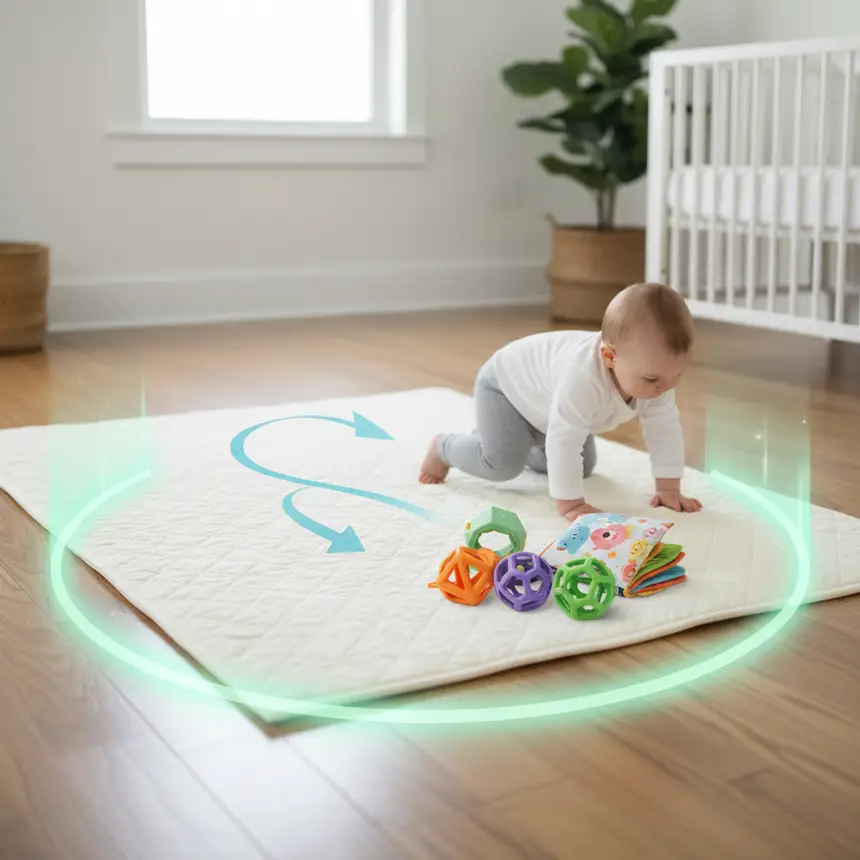
Supporting Your Baby's Development: Safe Environments and Play Strategies
Parents play a crucial role in facilitating their baby's rolling milestones by creating supportive environments rather than forcing movements. Encouraging natural exploration is key.
- Tummy Time for Muscle Development: Regular tummy time is paramount for strengthening the neck, back, and shoulder muscles needed for rolling. Start with short, frequent sessions and gradually increase the duration. To keep your baby engaged, try these strategies:
- Place colorful, engaging toys just out of reach to encourage reaching and shifting weight.
- Use engaging picture books with animal sounds or textures nearby to capture their attention.
- Gently tilt your baby to their side during tummy time to help them experience the sensation of rolling.
- Creating a Safe and Firm Play Space: Once babies start rolling, their movements can be unpredictable. Opt for a firm, flat surface with a safe play mat rather than soft bedding or mattresses. This provides a stable base, making it easier for your baby to maneuver and reducing the risk of their face getting buried.
- Constant Supervision and Hazard Awareness: Never leave a rolling baby unattended on elevated surfaces like beds or changing tables, even for a moment, as falls can happen instantly. Ensure the play area is clear of suffocation hazards such as pillows, blankets, or small objects. Vigilance is your best tool for safety.

Embrace the Journey: Patience and Encouragement for Your Little One
Every child's developmental path is unique. Some babies might roll over earlier, while others take a bit more time to master it. It's important to resist the urge to compare your baby's progress with others and instead celebrate their individual pace. When your baby struggles during a roll, offer gentle encouragement. When they succeed, shower them with praise to build their confidence.
Rolling over (typically 4-6 months) and rolling back (5-7 months) are significant first steps in your baby's journey towards independent movement and interaction with their world. Your observant eye and supportive presence in a safe environment are invaluable as they explore these new physical capabilities. Cherish each tiny movement and every milestone as you enjoy this special growth journey together.
Rolling over (typically 4-6 months) and rolling back (5-7 months) are significant first steps in your baby's journey towards independent movement and interaction with their world. Your observant eye and supportive presence in a safe environment are invaluable as they explore these new physical capabilities. Cherish each tiny movement and every milestone as you enjoy this special growth journey together.
Frequently Asked Questions
Q. My baby isn't rolling over yet, and they're older than other babies their age. Should I be worried?
A. It's common for developmental timelines to vary. While most babies start rolling between 4 and 6 months, many begin later, even after 6 months. If your baby has good head control and active arm/leg movements, it's often best to continue with regular tummy time and observe. However, if your baby shows no signs of attempting to roll by 7 months, it's a good idea to consult with your pediatrician for reassurance and guidance.
Q. My baby can roll over but gets stuck on their tummy and can't roll back. What should I do?
A. It typically takes 1-2 months after learning to roll over for babies to master rolling back. If your baby seems distressed or uncomfortable on their tummy, you can gently help them roll onto their back. Instead of forcing the roll-back motion, encourage independent movement by placing toys in different directions around them while they're on their tummy, prompting them to shift and try to move themselves.
Q. My baby rolls onto their tummy while sleeping. Should I keep turning them back onto their back?
A. Once babies start rolling, they may roll onto their tummy during sleep. If your baby can roll both ways proficiently, it's generally safe for them to sleep in the position they find themselves in. However, to reduce the risk of SIDS, it's always recommended to place babies to sleep on their back initially. Regularly check on your sleeping baby, and if they appear distressed or struggling while on their tummy, gently reposition them onto their back. Ensure their sleeping area is clear of blankets, pillows, and other loose items that could pose a suffocation risk.