Worried about your baby's yellowish skin? Newborn jaundice is common, but it's crucial to know when to relax and when to seek professional help. Discover everything about jaundice for a healthy start for your baby.

My Baby's Skin Looks Yellow: Is Newborn Jaundice Normal?
It's a common sight for many new parents: your baby's skin or the whites of their eyes take on a yellowish tint shortly after birth. This phenomenon, known as newborn jaundice, typically appears around 2-3 days postpartum and usually resolves on its own within a few days. It happens because a baby's immature liver isn't yet fully equipped to process 'bilirubin,' a yellow pigment produced when red blood cells break down. While this 'physiological jaundice' is generally harmless and self-resolving, there are times when careful observation and professional guidance become crucial. If your baby's yellowish hue seems particularly intense, appears unusually early, or persists longer than expected, it might indicate 'pathological jaundice,' which warrants closer attention. Understanding these subtle color changes is vital for safeguarding your little one's well-being.

Managing Jaundice for Baby's Health: Home Practices and Professional Support
One of the most impactful things parents can do at home to manage newborn jaundice is to ensure frequent feedings. For breastfed babies, offering the breast often helps them consume adequate amounts of milk. Early colostrum, the first milk, is rich in components that stimulate a baby's bowel movements, which in turn helps excrete bilirubin more quickly through stool. Insufficient milk intake can delay bilirubin elimination, so monitoring your baby's feeding adequacy is important. If you face breastfeeding challenges, pumping or seeking guidance from a lactation consultant can be beneficial. Healthcare providers will also measure your baby's bilirubin levels to accurately assess the severity of jaundice. If necessary, they might recommend phototherapy, using special lights to convert bilirubin into a form that's easier for the baby's body to excrete. During this process, protecting the baby's eyes with a mask and maintaining proper hydration and body temperature are essential. This professional support is key to helping your baby's bilirubin levels return to a safe range.
※ This post contains affiliate links. I may earn a commission at no extra cost to you.

When to Call the Doctor: Observing Jaundice Symptoms and Warning Signs
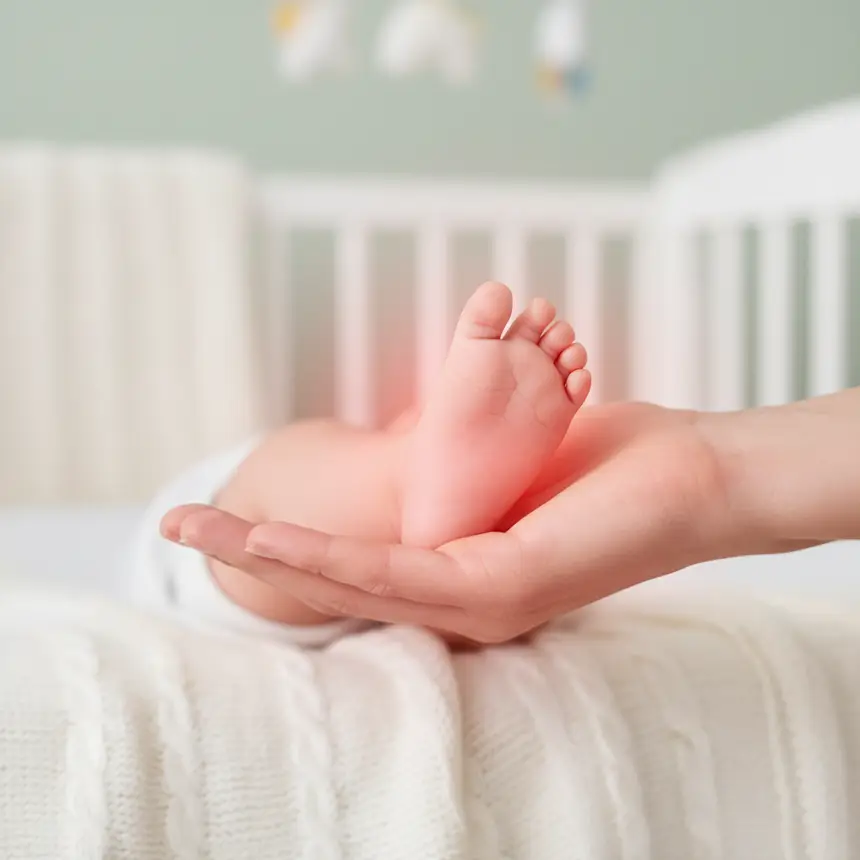
While most newborn jaundice is a temporary physiological event, it's important to be aware of certain red flags. If jaundice appears within the first 24 hours after birth, if the yellow color intensifies rapidly, or if your baby seems lethargic, isn't feeding well, or is unusually sleepy, immediate medical evaluation is necessary. Additionally, if jaundice persists for more than two weeks, or if you notice changes like pale stools and dark urine, it could signal liver or bile duct issues, requiring further diagnostic tests such as ultrasound or additional blood work. Sometimes, breastfed babies experience 'breast milk jaundice,' which is linked to certain components in breast milk. In such cases, a healthcare provider might temporarily suggest adjusting feeding methods to observe bilirubin level changes, often resuming breastfeeding later. Your diligent observation as a parent is paramount. Beyond skin color, pay attention to your baby's overall demeanor. If you have any concerns at all, don't hesitate to consult your pediatrician for an accurate diagnosis and appropriate guidance to support your baby's healthy development.
Frequently Asked Questions
Q. When does newborn jaundice typically peak?
A. Newborn jaundice usually becomes most noticeable around days 3-5 of life and then gradually subsides. However, this can vary from baby to baby, so consistent observation is always recommended.
Q. Can sunlight help with my baby's jaundice?
A. While direct sunlight was once thought to help, it's not currently recommended. Sunlight alone isn't potent enough to be effective, and it carries risks like UV exposure and difficulty maintaining a baby's body temperature. Hospital-based phototherapy is the safest and most effective method.
Q. What if my baby's jaundice worsens while I'm still breastfeeding?
A. It's rare for breastfeeding itself to cause severe jaundice, but there's a specific condition called 'breast milk jaundice.' If your doctor suspects this, they might recommend temporarily pausing breastfeeding and using an alternative feeding method to see if bilirubin levels drop. Often, breastfeeding can be resumed afterward. Always consult your healthcare provider for personalized advice.
Q. If my baby's body and face are yellow, does that mean the jaundice is more severe?
A. Jaundice typically spreads from the face to the torso, and then to the arms and legs. So, if the yellow discoloration extends beyond the face to the trunk and limbs, it generally indicates a more significant degree of jaundice. It's crucial to have this assessed by a healthcare professional.