A comprehensive guide for parents dealing with toddler constipation. Discover key strategies for your child's comfortable gut health, including diet, lifestyle habits, practical tips, and important precautions. Help your little one regain their joyful, energetic days.

A Happy Child Starts with a Happy Tummy: The Importance of Regular Bowel Movements
For children, regular and comfortable bowel movements are far more critical to their overall well-being than many parents might realize. When kids struggle with constipation, it's not just about infrequent trips to the bathroom. The discomfort and pain can lead to a cascade of issues: reduced appetite, increased irritability, restless sleep, and a general dip in their mood and energy. Toddler constipation is a common challenge that often leaves parents feeling helpless. When waste isn't efficiently eliminated, toxins can build up in the gut, potentially impacting the immune system and hindering nutrient absorption, which is vital for growth. Conversely, a consistent and easy bowel routine ensures children are happier, absorb essential nutrients more effectively, and have the energy to explore and learn. Gut health lays the foundation not only for physical development but also for emotional stability, making early, informed management crucial.
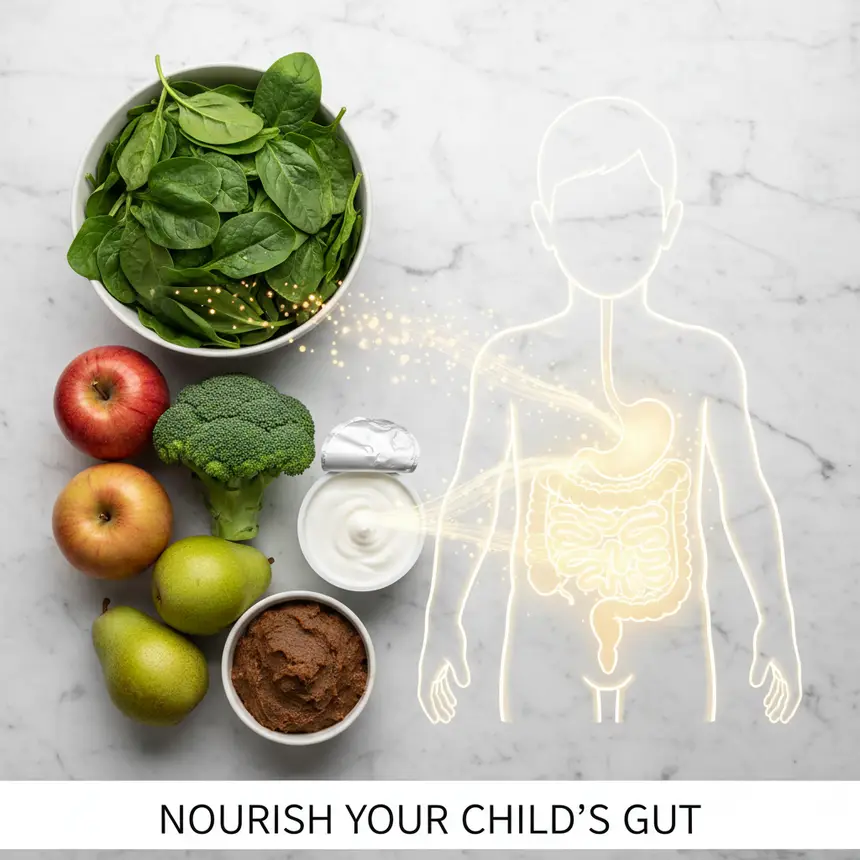
Key Nutrients and Habits for Your Child's Digestive Wellness
Supporting your child's digestive comfort requires a holistic approach, focusing on diet and lifestyle. The cornerstones are a diet rich in fiber and beneficial bacteria, ample hydration, and consistent physical activity.
- Dietary Fiber: Fiber helps stimulate bowel movements and adds bulk to stool, making it softer and easier to pass. Soluble fiber softens stool, while insoluble fiber speeds up transit time through the gut. Excellent sources include fruits like apples, pears, and kiwis; vegetables like broccoli and spinach; and whole grains and legumes.
- Probiotics and Prebiotics: Maintaining a balanced gut flora is essential. Fermented foods such as yogurt, kefir, and certain traditional pastes provide beneficial bacteria (probiotics) that improve gut environment and aid digestion. Prebiotics, which feed these good bacteria, are found in foods like bananas, onions, and garlic.
- Adequate Hydration: Water plays a critical role in softening stool and facilitating smooth bowel movements. It's especially important to increase water intake when increasing fiber to prevent constipation from worsening.
- Regular Physical Activity: A sedentary lifestyle can slow down gut motility. Encouraging activities your child enjoys, such as walking, running, or cycling, helps stimulate intestinal movement and promotes healthy digestion.
※ This post contains affiliate links. I may earn a commission at no extra cost to you.

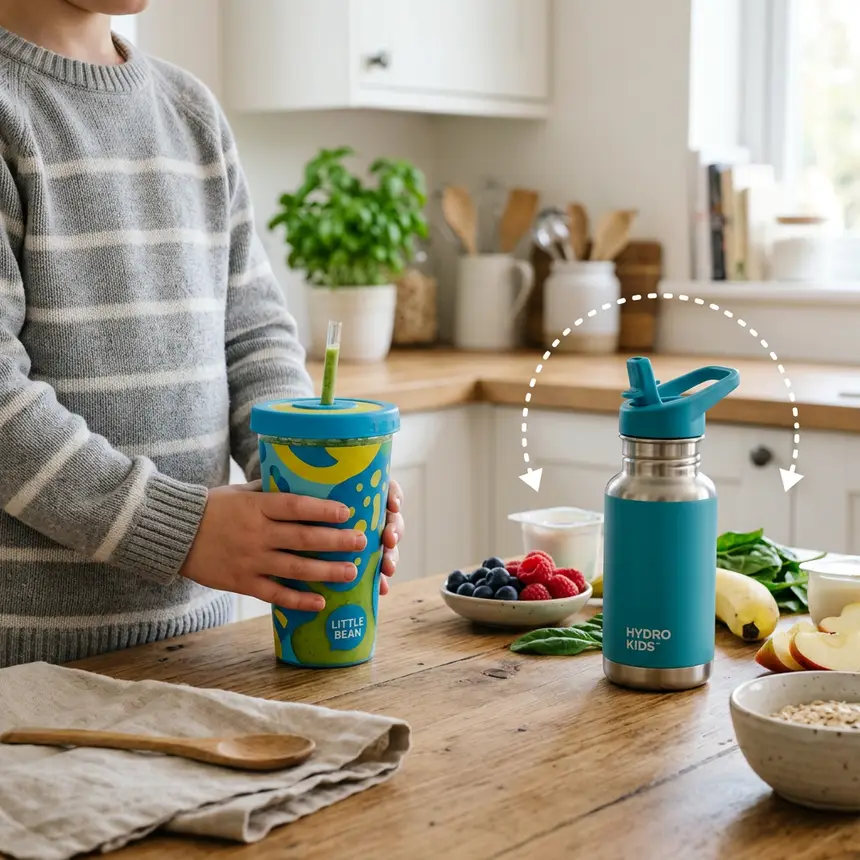
Practical Daily Strategies for Nurturing Your Child's Gut Health
Beyond understanding the principles, consistent and realistic daily application is key. Here are some actionable ways to naturally integrate gut-healthy habits into your child's routine:
1. Craft Nutrient-Packed Smoothies: Blend fruits, vegetables, and a probiotic drink or plain yogurt into a delicious smoothie. This is a fantastic way to sneak in fiber and beneficial bacteria. A small amount of nuts or seeds (like flax or chia seeds) can add Omega-3s and extra fiber.
2. Make Hydration Fun: Use a water bottle with your child's favorite character or mark lines on it to encourage them to reach hydration goals. Infusing water with fruit slices can also add a subtle, appealing flavor.
3. Establish a Regular Bathroom Schedule: Encourage your child to sit on the toilet at the same time each day, especially for 10-15 minutes after breakfast. Create a calm, non-pressured environment to help them feel relaxed.
4. Engage in Active Family Play: Head to a nearby park for some running, biking, or active games. This not only stimulates bowel movements but also strengthens family bonds and makes staying active enjoyable for everyone.
1. Craft Nutrient-Packed Smoothies: Blend fruits, vegetables, and a probiotic drink or plain yogurt into a delicious smoothie. This is a fantastic way to sneak in fiber and beneficial bacteria. A small amount of nuts or seeds (like flax or chia seeds) can add Omega-3s and extra fiber.
2. Make Hydration Fun: Use a water bottle with your child's favorite character or mark lines on it to encourage them to reach hydration goals. Infusing water with fruit slices can also add a subtle, appealing flavor.
3. Establish a Regular Bathroom Schedule: Encourage your child to sit on the toilet at the same time each day, especially for 10-15 minutes after breakfast. Create a calm, non-pressured environment to help them feel relaxed.
4. Engage in Active Family Play: Head to a nearby park for some running, biking, or active games. This not only stimulates bowel movements but also strengthens family bonds and makes staying active enjoyable for everyone.

Essential Considerations for Managing Your Child's Digestive Health
Managing a child's gut health requires patience and consistency. Keeping a few key recommendations and precautions in mind can make your efforts more effective:
- Introduce New Foods Gradually: When adding new fiber sources or fermented foods to your child's diet, start with small amounts and gradually increase them. Abrupt dietary changes can sometimes lead to bloating or gas.
- Observe Individual Reactions: Not all children react to specific foods in the same way. If your child experiences discomfort or worsening constipation after eating a particular food, temporarily remove it and explore other alternatives.
- Allow Ample Time: It takes time for a child's gut environment, especially if they've had severe constipation, to improve. Consistency in maintaining good habits is more important than rushing the process.
- Consult a Professional: If your child's constipation is severe, persistent for more than two weeks, accompanied by severe abdominal pain, blood in stool, weight loss, or other concerning symptoms, it's crucial to consult a pediatrician. These general wellness tips do not replace professional medical advice for diagnosis or treatment. Establishing healthy gut habits from an early age will be a valuable asset for your child's lifelong well-being.
Frequently Asked Questions
Q. What are the best foods for toddler constipation?
A. Foods rich in fiber are excellent for toddler constipation, such as prunes, pears, apples, berries, broccoli, spinach, sweet potatoes, whole grains, and legumes. Probiotic-rich foods like yogurt or kefir also support a healthy gut. And don't forget plenty of water!
Q. My child doesn't drink much water. Any tips?
A. Try using a fun, colorful cup or a silly straw. You can also add a slice of cucumber or a few berries to plain water for a hint of flavor. Offer water frequently throughout the day, especially during playtime. Making it a game or letting them see you drink water can also encourage them.
Q. Should I avoid dairy if my child is constipated?
A. For some children, dairy products (especially cheese and cow's milk) can exacerbate constipation. If you suspect dairy is an issue, try a short trial of reducing or temporarily eliminating it to see if symptoms improve. If they do, you might consider moderating dairy intake or exploring plant-based alternatives. However, this isn't true for all children, so observation is key.
Q. When should I take my child to the doctor for constipation?
A. If constipation persists for more than two weeks despite dietary and lifestyle changes, or if your child experiences severe abdominal pain, has blood in their stool, shows signs of weight loss, or has a decreased appetite, it's important to consult a pediatrician. They can rule out underlying issues and provide a tailored management plan.