Worried about your baby's first steps? Learn about typical walking timelines, normal developmental variations, and how parents can support their child's journey to independent walking. Embrace your baby's unique pace.

Is My Baby Walking Late? Addressing Common Parental Concerns
As parents, it's natural to compare our children's developmental milestones with those of their peers. The ability to walk independently is often a highlight, and if your little one hasn't taken their first steps by their first birthday, you might start feeling a twinge of anxiety. Seeing other toddlers confidently cruising around while your baby is still happily crawling or cautiously sidestepping while holding onto furniture can evoke feelings of worry or impatience. These emotions are entirely normal and part of the parenting journey. However, it's crucial to remember that the timing of a baby's first steps varies significantly from child to child, and an individual timeline rarely signifies a problem.
Decoding Baby Walking Milestones: A Spectrum of Normal Development
The Building Blocks of Independent Movement
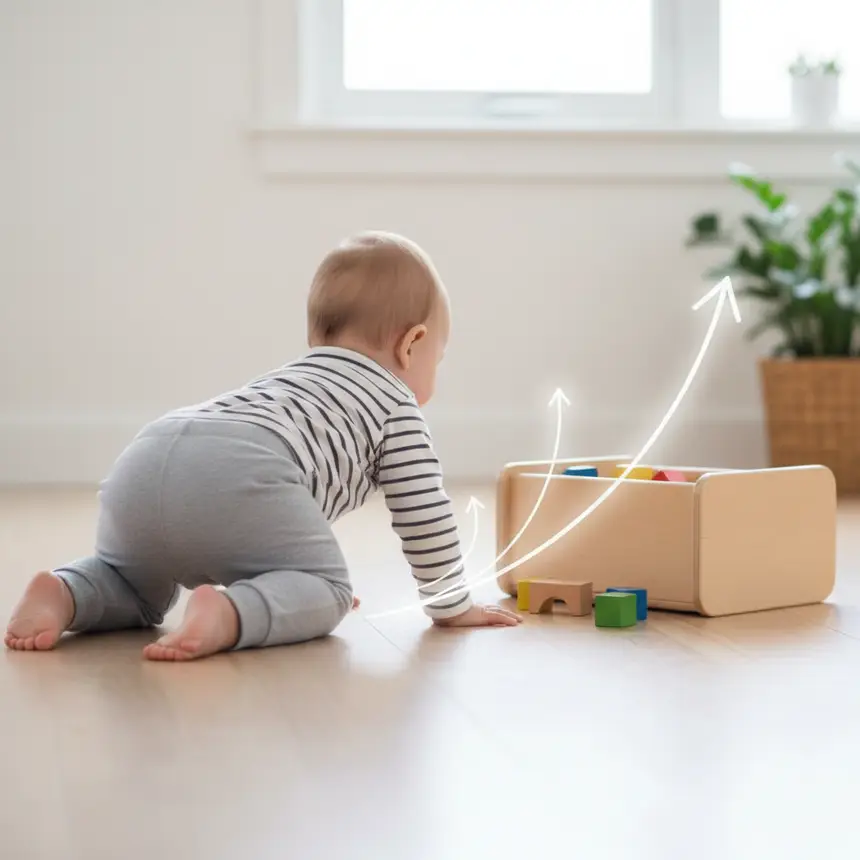
Just like constructing a sturdy building requires a solid foundation, independent walking is the culmination of several earlier developmental stages. Typically, babies take their first steps anywhere between 9 and 15 months of age. Many pediatric development experts consider it within the normal range if a child begins walking by 15 months. If your baby takes their initial steps around 13 months, this actually falls right within the average timeframe. What's more important than the exact day they walk is the progression through preceding milestones. This includes rolling over, sitting unassisted, crawling to develop core strength, pulling themselves up to stand, and briefly balancing on their own. Children who have thoroughly mastered these foundational skills often demonstrate quicker progress toward stable walking, even if they start a bit later. A child's inherent temperament also plays a role; cautious babies might wait until they feel perfectly ready before venturing out on two feet, avoiding potential tumbles.
Just like constructing a sturdy building requires a solid foundation, independent walking is the culmination of several earlier developmental stages. Typically, babies take their first steps anywhere between 9 and 15 months of age. Many pediatric development experts consider it within the normal range if a child begins walking by 15 months. If your baby takes their initial steps around 13 months, this actually falls right within the average timeframe. What's more important than the exact day they walk is the progression through preceding milestones. This includes rolling over, sitting unassisted, crawling to develop core strength, pulling themselves up to stand, and briefly balancing on their own. Children who have thoroughly mastered these foundational skills often demonstrate quicker progress toward stable walking, even if they start a bit later. A child's inherent temperament also plays a role; cautious babies might wait until they feel perfectly ready before venturing out on two feet, avoiding potential tumbles.
※ This post contains affiliate links. I may earn a commission at no extra cost to you.

Nurturing Your Little One's Journey to Walking: A Parent's Guide
Creating an Optimal Environment for Motor Skill Development
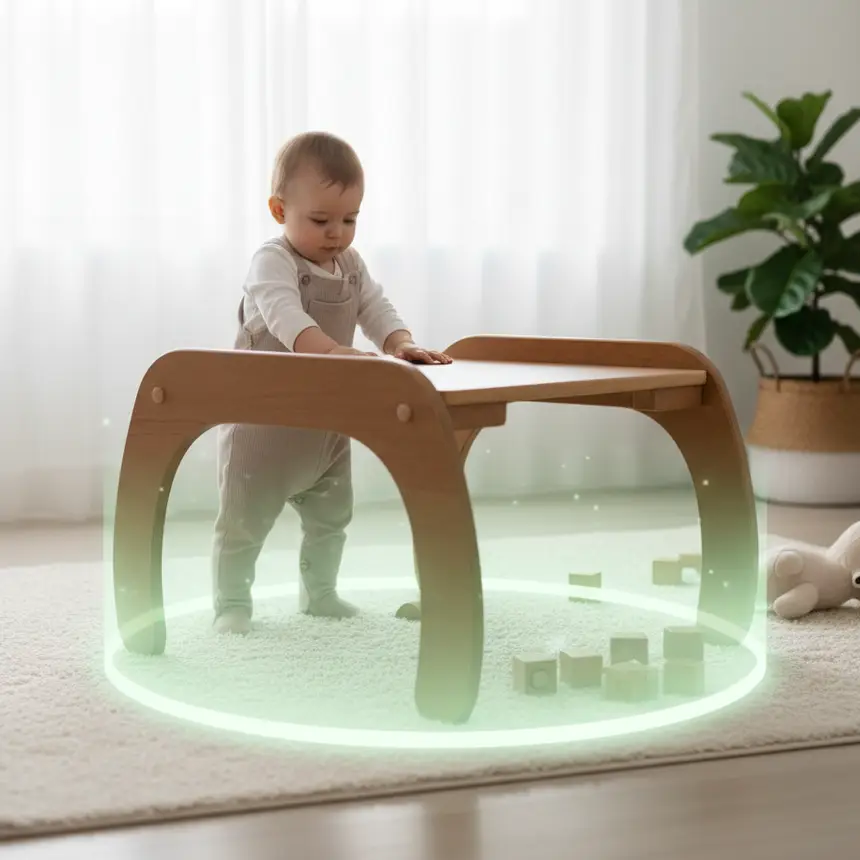
Parents play a vital role in supporting their baby's natural progression towards walking by providing an encouraging and safe environment. First and foremost, ensure your home offers ample space for your baby to move freely and explore. A clear, safe area on a soft mat allows them to crawl, pull up, and cruise along low, stable furniture without fear of injury. This sense of security reduces hesitation and builds confidence in trying new movements. Additionally, supporting overall physical development through a balanced diet is essential. Ensure your baby receives adequate nutrients for bone and muscle growth, such as calcium and Vitamin D, found in various fruits, vegetables, dairy, and protein sources. A well-nourished body is better equipped for the physical demands of learning to walk. Finally, consistent positive reinforcement and encouragement from you can make a significant difference.
Parents play a vital role in supporting their baby's natural progression towards walking by providing an encouraging and safe environment. First and foremost, ensure your home offers ample space for your baby to move freely and explore. A clear, safe area on a soft mat allows them to crawl, pull up, and cruise along low, stable furniture without fear of injury. This sense of security reduces hesitation and builds confidence in trying new movements. Additionally, supporting overall physical development through a balanced diet is essential. Ensure your baby receives adequate nutrients for bone and muscle growth, such as calcium and Vitamin D, found in various fruits, vegetables, dairy, and protein sources. A well-nourished body is better equipped for the physical demands of learning to walk. Finally, consistent positive reinforcement and encouragement from you can make a significant difference.
Engaging Activities to Encourage Your Baby's First Steps
Playful Ways to Enhance Balance and Strength
Helping your baby learn to walk doesn't require specialized training; it often happens naturally through everyday play and interaction. Here are some practical ways to encourage their development:
Helping your baby learn to walk doesn't require specialized training; it often happens naturally through everyday play and interaction. Here are some practical ways to encourage their development:
- Cruising Opportunities: Place favorite toys on low tables or sofas, encouraging your baby to pull themselves up and move along the furniture. This "cruising" helps them build leg strength and coordination.
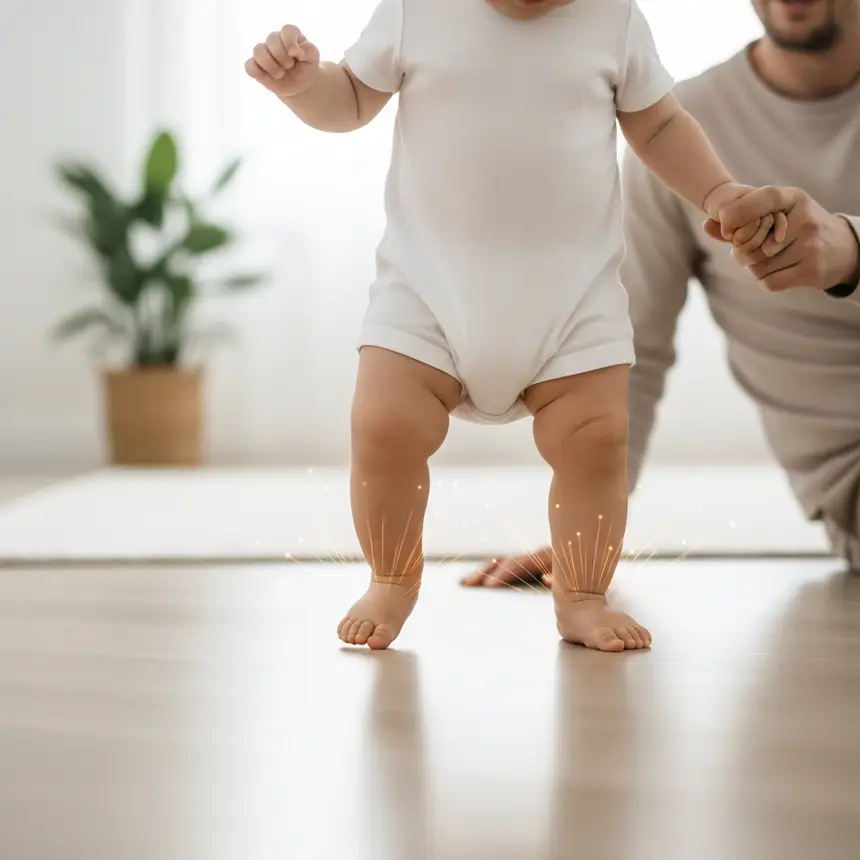
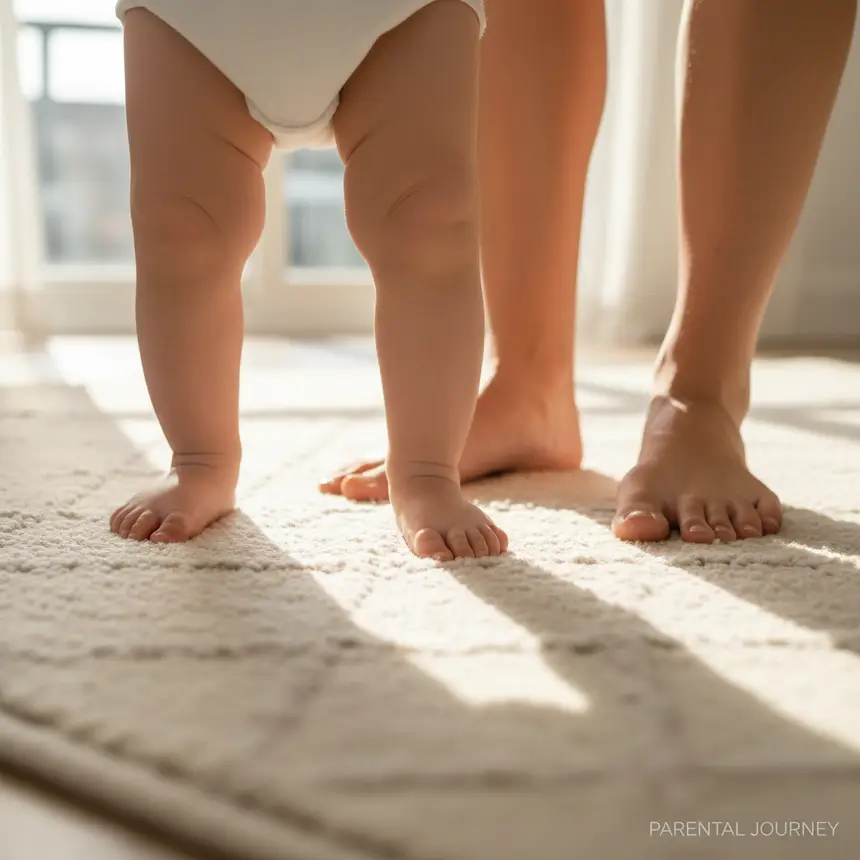
- Assisted Walking Practice: When your baby seems ready, offer one or both hands to help them take a few steps. Gradually reduce the amount of support you provide, allowing them to balance more independently. It’s okay if they stumble; a safe landing and the chance to get back up are part of the learning process.
- Balance-Boosting Play: Engage in activities like rolling a ball back and forth while sitting, or stacking blocks. These actions strengthen core muscles and improve balance. Allowing them to navigate low steps or small inclines also provides excellent practice for coordination and gross motor skills. The key is to offer plenty of opportunities for independent exploration and movement.
Trusting Your Child's Pace and Knowing When to Consult an Expert
When Professional Guidance Might Be Beneficial
Every child develops at their own unique pace. If your baby's first steps seem to be taking longer than some independent walkers you know, try to let go of the pressure. Instead, focus on listening to their cues, offering encouragement, and providing a supportive environment. Your belief in their capabilities will empower them to reach milestones when they are genuinely ready. In most cases, a slight delay in walking has no bearing on their future development or athletic ability.
However, there are specific signs that may warrant a conversation with a healthcare professional:
Every child develops at their own unique pace. If your baby's first steps seem to be taking longer than some independent walkers you know, try to let go of the pressure. Instead, focus on listening to their cues, offering encouragement, and providing a supportive environment. Your belief in their capabilities will empower them to reach milestones when they are genuinely ready. In most cases, a slight delay in walking has no bearing on their future development or athletic ability.
However, there are specific signs that may warrant a conversation with a healthcare professional:
- If your baby shows little to no attempt to stand independently or walk by 16 months of age.
- If they lack the motivation to pull themselves up to furniture or move around, or if their movements seem to decrease.
- If you notice a consistent preference for one leg, or if their walking posture appears significantly asymmetrical.
- If there's any regression in previously achieved motor skills, such as sitting, standing, or crawling.
Frequently Asked Questions
Q. My baby is 14 months old and not walking yet. Should I be concerned?
A. Most babies take their first steps between 9 and 15 months. At 14 months, your baby is still well within this normal developmental window. If they are actively engaging in other gross motor skills like pulling to stand, cruising, or crawling, they are likely building the strength and coordination needed for walking and will likely start soon.
Q. Is it okay to use a baby walker once my baby starts taking steps?
A. Using baby walkers can actually hinder a child's natural walking development. They can prevent babies from learning how to balance themselves and explore their environment independently. It's generally recommended to provide a safe, open space for your baby to crawl, pull up on furniture, and practice standing and cruising freely instead.
Q. How long after taking their first steps does it take for a baby to walk confidently?
A. The time it takes for a baby to walk confidently after their first steps varies greatly. Some children become steady walkers within a few weeks, while others may take several months. Initially, they will likely be wobbly and fall often, but with practice, their balance and leg strength will improve naturally. Patience and encouragement are key during this learning phase.