Curious how to foster your child's innate potential? Explore practical strategies for early brain development, cultivating critical thinking, and boosting creativity in young children. Get effective tips you can implement at home.

Do you wish your child could do more than just memorize, but truly think for themselves?
Nurturing Creative Thought and Problem-Solving Skills in Early Childhood
Parents today are increasingly focused on early brain development, critical thinking skills, and fostering creativity in their young children. There's a growing understanding that simply feeding kids information isn't enough for them to thrive in our rapidly changing world. The ability to interpret new information from their own perspective, connect it with other concepts, and expand ideas into novel solutions is foundational, and it starts in early childhood. How can we truly empower our children to ask questions, explore, and express their unique thoughts? Let's embark on this journey to uncover effective approaches together.
Parents today are increasingly focused on early brain development, critical thinking skills, and fostering creativity in their young children. There's a growing understanding that simply feeding kids information isn't enough for them to thrive in our rapidly changing world. The ability to interpret new information from their own perspective, connect it with other concepts, and expand ideas into novel solutions is foundational, and it starts in early childhood. How can we truly empower our children to ask questions, explore, and express their unique thoughts? Let's embark on this journey to uncover effective approaches together.
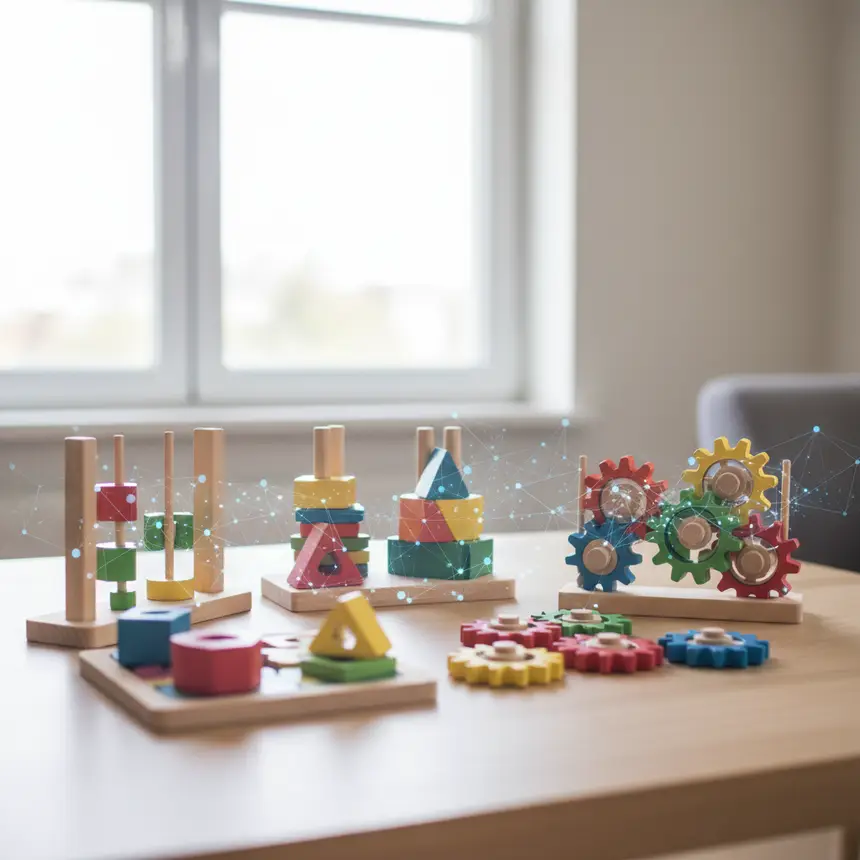
Why Are Critical Thinking and Creativity Key Competencies for Future Generations?
The Shift from Rote Learning to Analytical Thought
In our fast-paced information age, knowing a lot isn't as crucial as knowing how to use that knowledge and apply it to new challenges. In this environment, structured early brain development programs that emphasize critical thinking and creative education are essential. They equip children to adapt flexibly to complex situations they'll face later in life and to discover their own unique solutions. Early childhood is a period of intense brain growth, making it vital to ignite curiosity and offer diverse exploratory opportunities. For instance, when a child asks "Why is this like this?", instead of just giving an answer, try responding with, "What do you think?" This kind of interaction encourages them to seek answers themselves, significantly boosting their thinking skills.
In our fast-paced information age, knowing a lot isn't as crucial as knowing how to use that knowledge and apply it to new challenges. In this environment, structured early brain development programs that emphasize critical thinking and creative education are essential. They equip children to adapt flexibly to complex situations they'll face later in life and to discover their own unique solutions. Early childhood is a period of intense brain growth, making it vital to ignite curiosity and offer diverse exploratory opportunities. For instance, when a child asks "Why is this like this?", instead of just giving an answer, try responding with, "What do you think?" This kind of interaction encourages them to seek answers themselves, significantly boosting their thinking skills.
※ This post contains affiliate links. I may earn a commission at no extra cost to you.


Effective Approaches to Nurture Early Brain Development, Critical Thinking, and Creativity
Emphasizing Inquiry-Based Activities, Discussion, and Question-Driven Interaction
To effectively cultivate a child's critical thinking and creativity, it’s crucial to move beyond simple desk work. Instead, focus on hands-on, experience-based activities where children can directly see, touch, and feel.
To effectively cultivate a child's critical thinking and creativity, it’s crucial to move beyond simple desk work. Instead, focus on hands-on, experience-based activities where children can directly see, touch, and feel.
- Inquiry-Based Learning: Encourage children to explore objects directly through play with educational tools or by observing nature. For example, growing a plant and documenting its changes, or experiencing material transformations through simple cooking activities. These engagements stimulate a child's senses, enhancing observation and problem-solving skills simultaneously.
- Discussion and Idea Sharing: Provide opportunities for children to freely express their thoughts and listen to others' opinions in a discussion format. Ask open-ended questions with no single right answer, helping them think from various perspectives and articulate their ideas logically.
- Socratic Questioning for Thought Expansion: Rather than parents or educators simply delivering information, prompt a child's curiosity with questions that encourage them to delve deeper and explore ideas independently. Questions like "What if...?" help children break free from conventional thinking and expand their ideas, empowering them to become active participants in their own learning.
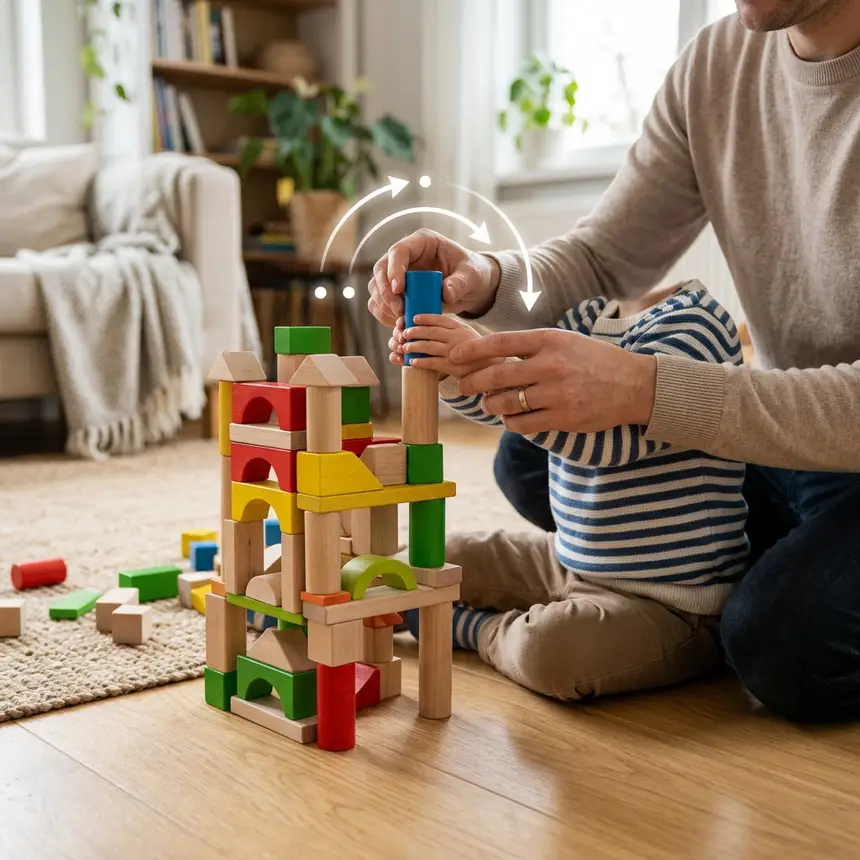
The Parent's Role: Cultivating Critical Thinking and Creativity in Daily Life
Parent-Child Interaction as the Most Crucial Educational Environment
The home is where children spend most of their time and learn the most. As parents, you are the most significant facilitators of your child's early brain development, creativity, and critical thinking skills.
The home is where children spend most of their time and learn the most. As parents, you are the most significant facilitators of your child's early brain development, creativity, and critical thinking skills.
- Encourage Curious Questions: When your child shows interest in something, spark their thinking with questions like, "What are you curious about?" or "What do you think will happen?" Encourage free thinking with praise, even if their answers seem a little wild, rather than criticism.
- Play with Diverse Materials: Offer a variety of textures and forms like blocks, art supplies, clay, and natural items for your child to freely explore and express themselves. Play without fixed rules helps infinitely expand their imagination.
- Listen and Respect Their Opinions: When your child speaks, make eye contact and listen genuinely. Respecting their opinions teaches them that their thoughts are valuable, encouraging them to express themselves with greater confidence.
- Provide Daily Problem-Solving Opportunities: Create small, age-appropriate problem-solving scenarios. Questions like, "How can we organize these toys more neatly?" encourage your child to find solutions independently. These experiences naturally build problem-solving abilities.

The First Step Towards Your Child's Bright Future: Early Brain Development and Critical Thinking
A Parent's Smart Choice to Unleash Potential
We've explored the importance of fostering early brain development, critical thinking skills, and creative education. Children are born with innate curiosity and potential, and our role as parents and educators is to provide the right environment and opportunities for them to fully realize this potential. More than just memorizing facts, the power to think independently, explore, and generate unique ideas will be the strongest asset our children possess in the world they will inhabit. Why not start today by listening to your child's small questions, exploring alongside them, and planting the seeds of thought? Your child's remarkable growth will begin with those small efforts. We wholeheartedly support your child's future!
We've explored the importance of fostering early brain development, critical thinking skills, and creative education. Children are born with innate curiosity and potential, and our role as parents and educators is to provide the right environment and opportunities for them to fully realize this potential. More than just memorizing facts, the power to think independently, explore, and generate unique ideas will be the strongest asset our children possess in the world they will inhabit. Why not start today by listening to your child's small questions, exploring alongside them, and planting the seeds of thought? Your child's remarkable growth will begin with those small efforts. We wholeheartedly support your child's future!
Frequently Asked Questions
Q. When is the most crucial period for developing critical thinking in young children?
A. Early childhood is a period of rapid brain development, with ages 3 to 7 being particularly vital for building the foundations of critical thinking and creativity. Diverse experiences and stimulation during this time significantly impact future learning and problem-solving abilities.
Q. What are some easy ways to foster my child's creativity at home?
A. Provide plenty of open-ended play activities. Building blocks, drawing, playdough, role-playing, and free storytelling are excellent ways to stimulate a child's imagination and creativity. Instead of answering all their questions, try exploring the answers together.
Q. What should I consider when choosing an educational program to support my child's cognitive development?
A. It's important to look for programs that offer opportunities for children to explore, think, and express themselves independently, rather than just focusing on academic progress. Consider if there's active discussion and question-based interaction. Also, check if they offer diverse activities and educational materials that can spark your child's interest.