When is an infant's fever dangerous? Understand the critical temperature thresholds and safe home management tips for your baby's fever. Learn about symptoms that require immediate pediatric attention and age-specific considerations to keep your little one healthy.

When Your Little One Has a Fever: Recognizing Red Flags and When to Call the Doctor
A fever in a newborn or young infant can be incredibly concerning for any parent. Since these tiny humans can't tell us what's wrong, their body temperature becomes a crucial indicator of their well-being. If your baby's temperature reaches 100.4°F (38°C) or higher, it's a significant warning sign that demands immediate attention. For babies under three months old, any temperature at or above this threshold warrants an urgent call to your pediatrician. Their immune systems are still developing, making them vulnerable to rapid progression of infections. If a high temperature is accompanied by unusual fussiness, significantly reduced feeding, lethargy, or difficulty waking, do not hesitate to seek professional medical advice.
Accurate Temperature Taking and Initial Home Care Strategies for Baby's Fever
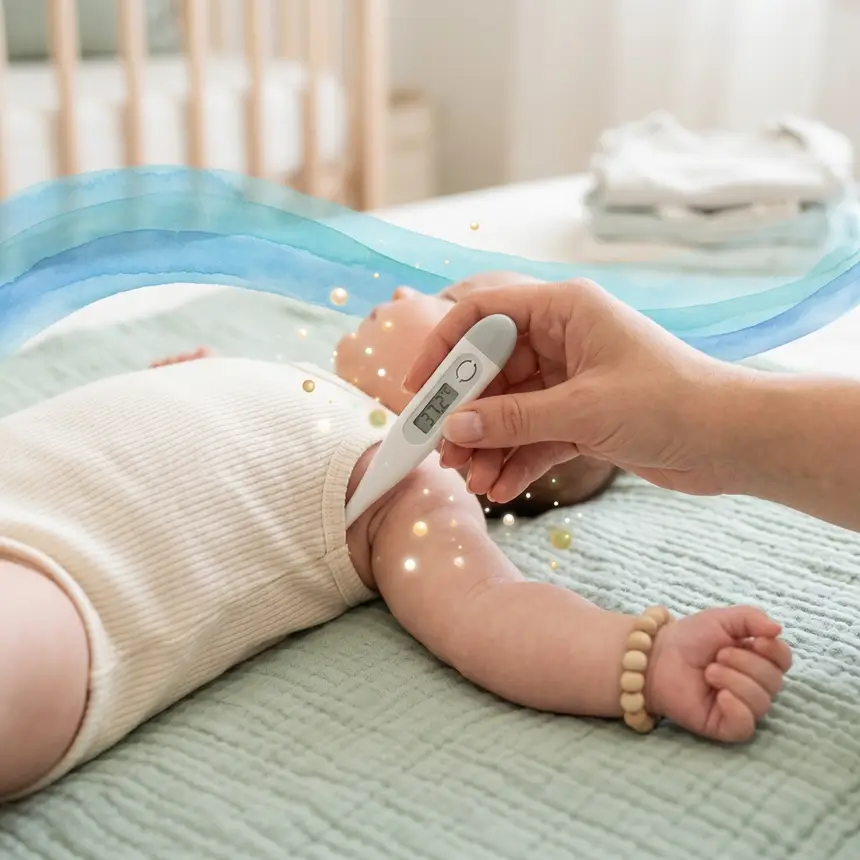
Understanding how to accurately measure your baby's temperature is the first step in effective fever management. A normal temperature for a newborn typically ranges between 97.7°F (36.5°C) and 99.5°F (37.5°C), though this can vary slightly depending on where you measure it. For instance, an armpit temperature usually falls between 97.7°F and 99.1°F (36.5-37.3°C), while an ear temperature might range from 96.4°F to 100.4°F (35.8-38.0°C). Rectal temperature is generally considered the most accurate, but for at-home use, armpit or ear thermometers are common.
When taking your baby's temperature, keep these tips in mind:
1. Dress your baby in light clothing: Overdressing or using heavy blankets can trap heat and actually raise their temperature further.
2. Maintain a comfortable room temperature: Aim for a room temperature between 71-75°F (22-24°C) to keep your baby comfortable.
3. Ensure adequate hydration: Offer breast milk or formula more frequently than usual to prevent dehydration.
It's crucial to avoid giving your baby any fever-reducing medication without consulting your pediatrician first. Dosages for infants are very precise and must be determined by a healthcare professional.
When taking your baby's temperature, keep these tips in mind:
- Measure at similar times each day to track any patterns or changes.
- Ensure the thermometer is securely placed, for example, under the armpit, and take a few readings to get an average.
1. Dress your baby in light clothing: Overdressing or using heavy blankets can trap heat and actually raise their temperature further.
2. Maintain a comfortable room temperature: Aim for a room temperature between 71-75°F (22-24°C) to keep your baby comfortable.
3. Ensure adequate hydration: Offer breast milk or formula more frequently than usual to prevent dehydration.
It's crucial to avoid giving your baby any fever-reducing medication without consulting your pediatrician first. Dosages for infants are very precise and must be determined by a healthcare professional.
※ This post contains affiliate links. I may earn a commission at no extra cost to you.

Critical Symptoms Requiring Medical Attention and Age-Specific Fever Considerations
Newborns have immature thermoregulation systems, meaning their body temperature can fluctuate based on environmental factors or how they're dressed. However, there are specific signs that indicate more than a simple temperature rise and necessitate immediate medical evaluation. If an infant under three months old develops a fever of 100.4°F (38°C) or higher, or if any of the following symptoms accompany a fever, seek medical help without delay:
- Your baby is unusually drowsy, difficult to wake, or less responsive than usual.
- They refuse to feed, or experience vomiting or diarrhea.
- They are breathing rapidly or struggling to breathe, or their skin appears pale or bluish.
- A rash appears on their body.
Frequently Asked Questions
Q. My baby has a fever. Should I give them fever-reducing medication right away?
A. For newborns and young infants, it's generally recommended not to administer fever-reducing medication without first consulting a pediatrician. Precise dosage based on age and weight is critical. Always follow your doctor's instructions. You can start managing the fever by ensuring adequate hydration and adjusting room temperature.
Q. What's the most accurate way to take my baby's temperature?
A. The most accurate method for taking a baby's temperature is using a rectal thermometer. However, many parents use armpit or ear thermometers at home. Regardless of the method, consistency is key; using the same method allows you to track your baby's normal temperature and identify significant changes.
Q. Can my baby's hands and feet be cold even if they have a fever?
A. Yes, it's possible for a baby's hands and feet to feel cool when they have a fever. This happens because blood flow might be directed more towards the core body as the temperature rises. While often normal, if their extremities are extremely cold or their skin color changes, it warrants closer observation.
Q. Are there times I should call the doctor even if my baby doesn't have a fever?
A. Absolutely. If your baby is unusually lethargic, refusing to feed, having difficulty breathing, experiencing skin color changes, or showing any other concerning symptoms, you should contact your pediatrician immediately, even if there's no fever. Any significant change in your baby's overall demeanor can be an important health indicator.