With increased screen time, managing elementary school children's vision is more critical than ever. Discover practical tips for improving lifestyle habits and incorporating essential nutrients to support your child's eye health. This guide offers actionable advice for parents to protect their growing children's eyes.

Are Your Child's Eyes Truly Healthy? The Crucial Role of Vision Care in the Digital Age
In today's world, it's common to see children engaged with tablets for learning or enjoying digital entertainment. Yet, for many parents, this convenience often comes with a significant concern: how to best manage their elementary schooler's vision. Extended screen time can lead to increased eye strain, potentially impacting long-term eye health. Children's eyes are still developing, making careful attention and management even more critical. As we navigate this rapidly evolving digital learning landscape, let's explore practical strategies to safeguard our children's vision and ensure their eyes remain healthy and strong.

Modern Lifestyle Habits and Environmental Factors Threatening Eye Health
Several factors in contemporary life pose risks to children's eye health. Firstly, there's a noticeable increase in near-work activities. Beyond schoolwork, kids spend considerable time reading, doing homework, and using smart devices, all of which demand intense focus on nearby objects. Secondly, lifestyles have become predominantly indoor. Sufficient outdoor play allows eyes to focus at varying distances and exposure to natural light, which reduces eye fatigue and positively influences healthy vision development. Thirdly, poor posture and inadequate lighting during study sessions can also strain their eyes. Lastly, an unbalanced diet can hinder the intake of essential nutrients vital for eye health, potentially contributing to vision issues. These combined elements present significant challenges to the developing eyes of growing children.
※ This post contains affiliate links. I may earn a commission at no extra cost to you.

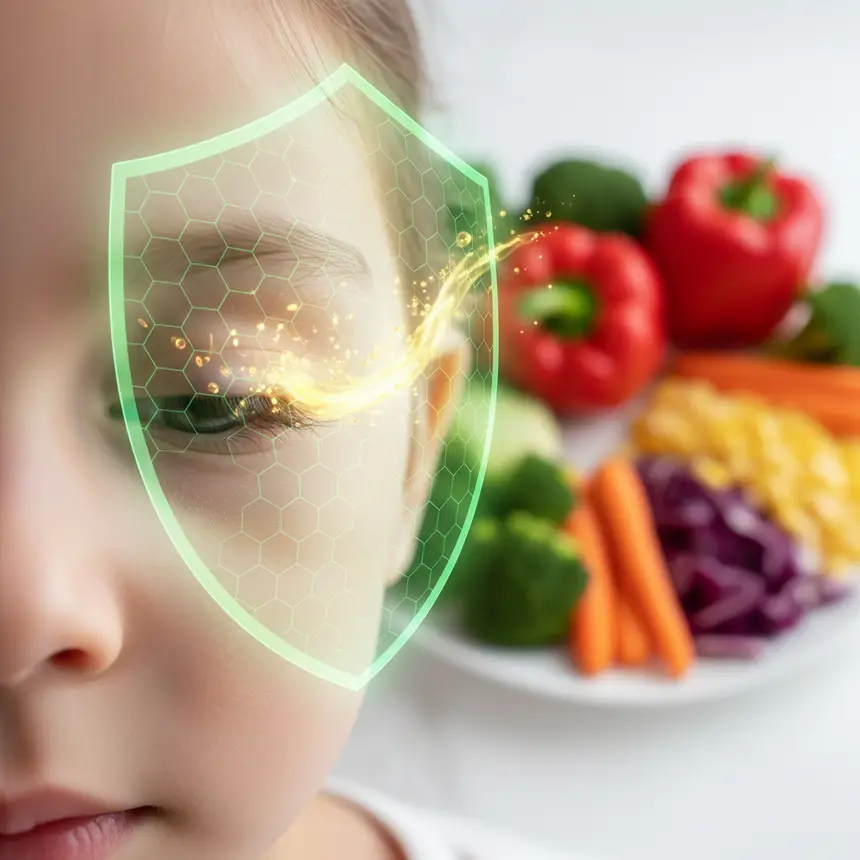
A Holistic Approach to Children's Eye Health: Lifestyle Adjustments and Key Nutrients
To protect our children's eye health, a comprehensive approach involving lifestyle adjustments and balanced intake of necessary nutrients is essential.
- Lifestyle Adjustments: When using screens, encourage the 20-20-20 rule (every 20 minutes, look at something 20 feet away for 20 seconds). Ensure they take regular breaks. For reading, maintain an appropriate distance (at least 12 inches) and provide ample lighting. Crucially, encourage at least one hour of outdoor activity daily, allowing their eyes to naturally focus on distant objects.
- Essential Nutrient Intake: Key nutrients for eye health include Vitamin A and beta-carotene, lutein, zeaxanthin, and Omega-3 fatty acids. Vitamin A is particularly vital for adapting vision in low light and plays a role in maintaining healthy skin and mucous membranes. Beta-carotene is a precursor that the body converts into Vitamin A, found abundantly in carrots and leafy greens. Some eye health supplements might contain specific amounts, like 1mg of beta-carotene and 210 IU of Vitamin A, which can help meet daily requirements. Aim to incorporate these nutrients through a balanced diet, and if needed, consult a healthcare professional about suitable supplementation.
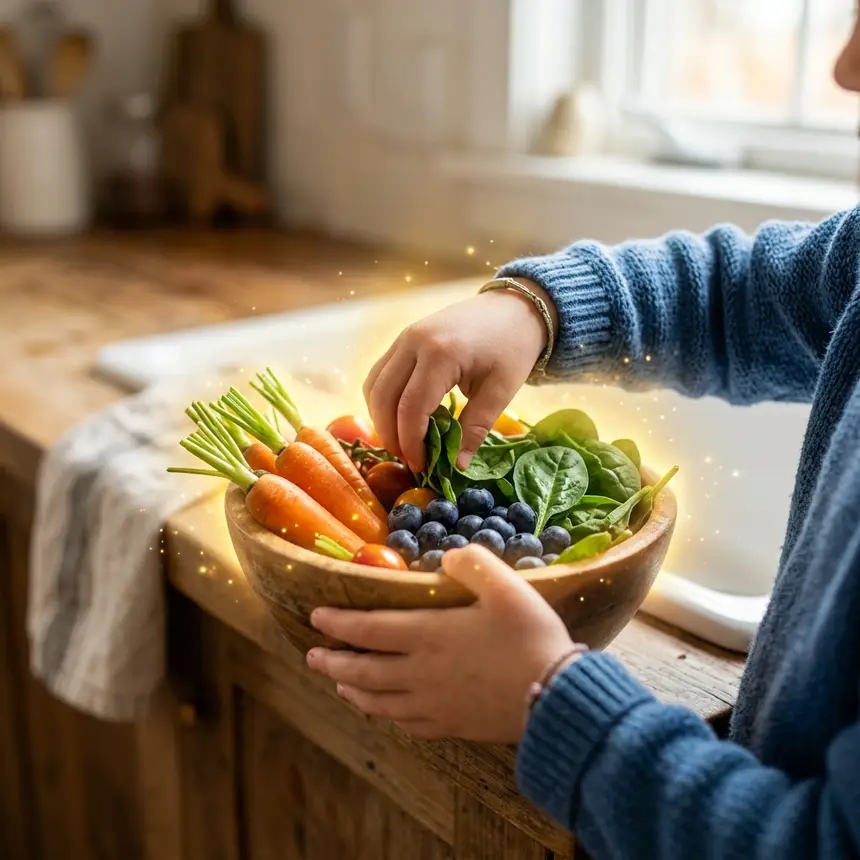
Practical Guide: Easy Ways to Boost Your Child's Eye Health at Home
Here are concrete steps you can take at home to support your child's eye health:
1. Regular Eye Exercises: Encourage simple eye exercises daily for about 5 minutes. This could involve looking at distant objects or moving their eyes up, down, and side-to-side with a finger as a guide. Remind them to blink frequently to prevent dryness and reduce fatigue.
2. Balanced Diet: Actively include vitamin A and lutein-rich dark leafy greens like spinach and kale, as well as carrots, in their diet. Promote Omega-3 intake through fatty fish like salmon or mackerel. If your child is a picky eater, try different cooking methods like smoothies or adding finely chopped vegetables to their favorite dishes.
3. Choosing Eye Health Supplements: If considering supplements, opt for flavors and forms (e.g., chewable) that your child will readily accept. Individually packaged options can also be more hygienic and convenient for children to manage themselves. Always consult a healthcare professional to determine the best supplement choice tailored to your child's specific needs.
4. Regular Eye Check-ups: Children may not always recognize changes in their vision. Regular eye examinations with an optometrist or ophthalmologist are crucial for early detection and management of any vision issues.
1. Regular Eye Exercises: Encourage simple eye exercises daily for about 5 minutes. This could involve looking at distant objects or moving their eyes up, down, and side-to-side with a finger as a guide. Remind them to blink frequently to prevent dryness and reduce fatigue.
2. Balanced Diet: Actively include vitamin A and lutein-rich dark leafy greens like spinach and kale, as well as carrots, in their diet. Promote Omega-3 intake through fatty fish like salmon or mackerel. If your child is a picky eater, try different cooking methods like smoothies or adding finely chopped vegetables to their favorite dishes.
3. Choosing Eye Health Supplements: If considering supplements, opt for flavors and forms (e.g., chewable) that your child will readily accept. Individually packaged options can also be more hygienic and convenient for children to manage themselves. Always consult a healthcare professional to determine the best supplement choice tailored to your child's specific needs.
4. Regular Eye Check-ups: Children may not always recognize changes in their vision. Regular eye examinations with an optometrist or ophthalmologist are crucial for early detection and management of any vision issues.

Invest in Your Child's Bright Future: Prioritize Eye Health Now
Our children's eyes are vital windows through which they explore and learn about the world. In our modern society, where digital device use is often unavoidable, protecting their eye health has become a paramount responsibility for parents. The combination of improved lifestyle habits, adequate intake of essential nutrients, and consistent attention will significantly contribute to maintaining your child's clear and healthy vision. Small, consistent efforts today can build a strong foundation for a lifetime of good eye health. Start making smart investments in your child's vision now, empowering them to experience a wider, clearer, and more vibrant world.
Frequently Asked Questions
Q. How can I manage my elementary school child's screen time for better eye health?
A. Instead of outright banning screen time, focus on teaching good habits and ensuring regular breaks. Adhere to the 20-20-20 rule, limit recreational screen time to agreed-upon durations, and encourage a complete screen break at least an hour before bedtime.
Q. What foods are good for eye health, and how can I encourage my child to eat them?
A. Foods rich in eye-healthy nutrients include dark leafy greens like spinach and kale, carrots, berries like blueberries, and fatty fish like salmon. If your child is reluctant, try incorporating finely chopped vegetables into familiar dishes like fried rice or meatballs, or blend them into fruit smoothies.
Q. Besides Vitamin A, what other nutrients benefit children's eye health?
A. Beyond Vitamin A, lutein and zeaxanthin are crucial for macular health, while Omega-3 fatty acids help reduce dry eyes and support overall eye function. Vitamins C and E also contribute with their antioxidant properties, protecting eye cells.
Q. What should I consider when choosing an eye health supplement for my child?
A. Look for supplements with flavors and forms that your child will readily accept. Individually packaged options can be more hygienic and convenient. Most importantly, consult your pediatrician or a registered dietitian to choose a product that is safe and appropriate for your child's age and health needs, rather than self-prescribing.