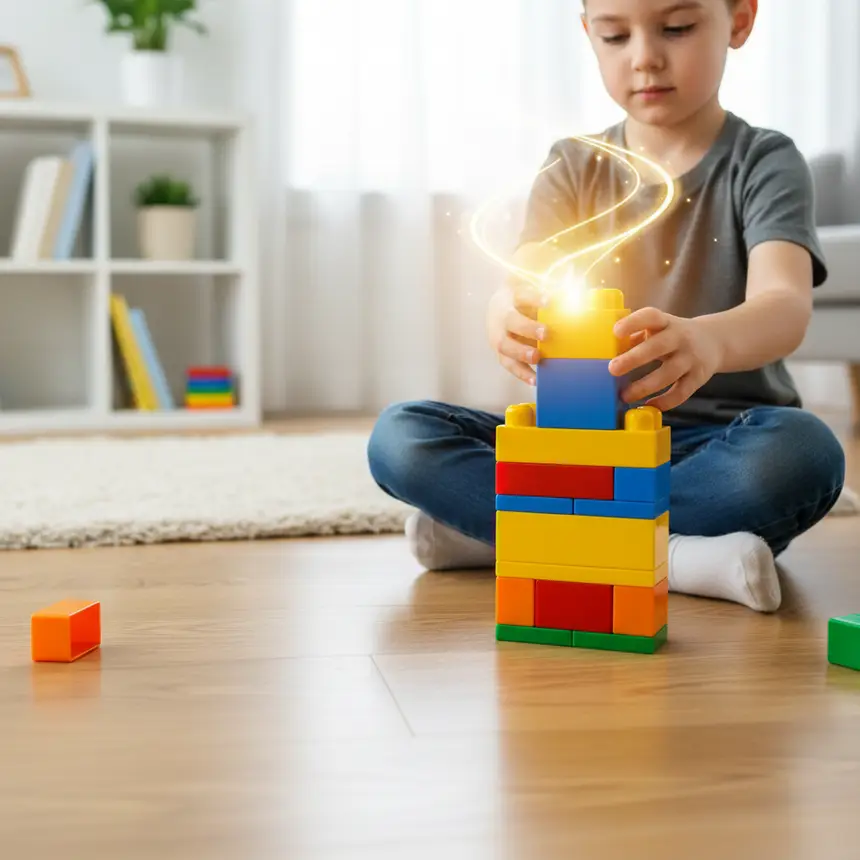
Explore key physical, cognitive, and social-emotional development milestones for 7-year-olds.
Discover practical ways to support your child's growth as they prepare for elementary school.

Is Your 7-Year-Old Ready for the Big Step to Grade School?
As your child approaches their seventh birthday, the world of elementary school looms large on the horizon. Many parents find themselves wondering if their little one is truly prepared for this new chapter. It's a time of rapid change, not just physically, but also in cognitive abilities and social-emotional skills. How do typical 7-year-olds measure up in terms of height and weight, and what developmental leaps are they making? This is a crucial period to ensure your child is well-equipped for new environments. Let's dive into what you can expect and how to best support your child's journey into elementary education.

Key Physical and Cognitive Milestones for 7-Year-Olds
The age of seven marks a fascinating transition period, bridging the preschool years and the start of formal schooling. Children at this age typically show significant advancements across various developmental domains, laying the groundwork for future academic and social success.
- Physical Growth: On average, a 7-year-old might be around 46-48 inches (118-123 cm) tall and weigh approximately 48-57 pounds (22-26 kg). It's important to remember these are general guidelines; individual children will vary based on genetics, nutrition, and activity levels. The focus should always be on promoting healthy growth through consistent physical activity and a balanced diet.
- Cognitive Development: Reading and writing skills often flourish at this age. Most 7-year-olds can read independently and express their thoughts in written form. Their math skills also advance, tackling two-digit addition and subtraction, and even grasping concepts of three-digit numbers. However, some children might rush through tasks, skipping words or misreading instructions, which highlights the need for encouraging careful attention to detail. They also start to understand the value of money and can handle simple transactions.
- Social-Emotional Growth: Many children begin to take more responsibility for their belongings, tidying up their spaces. They might mimic or pick up on phrases their parents use, especially from other languages. Emotional expression becomes richer, sometimes sweet and endearing, other times quite direct. They love imaginative play, like role-playing, drawing, and crafting, which further develops their social interaction skills with peers.
※ This post contains affiliate links. I may earn a commission at no extra cost to you.


Smart Strategies for Nurturing Your 7-Year-Old's Development
Once you understand these developmental milestones, the next step is to implement effective strategies to foster your child's growth.
- Encourage Physical Activity and Balanced Nutrition: Provide ample opportunities for your child to run, jump, and play every day. A mix of indoor and outdoor activities helps develop diverse motor skills. Focus on well-rounded meals rich in carbohydrates, proteins, fats, vitamins, and minerals. For instance, if your child dislikes vegetables, try incorporating them into smoothies or sauces to make them more appealing and ensure they get essential nutrients.
- Expand Language and Cognitive Skills: Cultivating a love for reading is key. Read various books together, discuss the stories, and ask questions to boost comprehension. For writing practice, make it fun by focusing on topics your child enjoys, like creating a journal for their favorite toy. Integrate math into daily life by letting them help you calculate prices at the grocery store or measure ingredients while cooking, making numbers tangible.
- Foster Social and Emotional Intelligence: Validate your child's feelings and engage in conversations to understand why they feel a certain way. Arrange playdates frequently to allow them to practice sharing, cooperation, and conflict resolution. Role-playing games are excellent for developing empathy and understanding different perspectives, preparing them for social dynamics in school.

Practical Tips for a Smooth Transition to Elementary School
Starting elementary school is a big leap for both children and parents. Here are some practical steps to ensure a smooth transition:
- Cultivate Independence: Practice basic self-care skills like getting dressed, packing their backpack, and using the restroom independently. Small successes build significant confidence and self-reliance.
- Introduce Learning Routines: Start establishing a "desk time" ritual, even for short periods. Begin with 10-15 minutes of focused activity like drawing, puzzles, or quiet play, gradually increasing the duration. This helps build concentration and prepare them for classroom settings.
- Establish a Consistent Schedule: School life demands a routine. A few months before school starts, gradually shift to an earlier bedtime and wake-up time, and establish regular mealtimes to align with the school day rhythm, making the transition less jarring.
- Build Positive Associations with School: Instead of allowing school to seem daunting, present it as an exciting place. Take walks around the school grounds, show them the building, and read picture books that portray school life in a positive and fun light, fostering eagerness rather than apprehension.

Supporting Your 7-Year-Old, One Milestone at a Time
The 7-year-old stage is a dynamic period of rapid growth—physically, cognitively, and socio-emotionally—all in preparation for the big step into elementary school. While there are general developmental milestones, remember that every child progresses at their own unique pace. As parents, your role is to understand their individual needs, offer encouragement, and provide unwavering support rather than pushing them to meet arbitrary timelines. Create joyful experiences together and build a strong emotional foundation. Being present and providing consistent emotional backing is paramount. Be their steadfast companion on this exciting journey as they embark on their elementary school adventure.
Frequently Asked Questions
Q. What are the average height and weight for a 7-year-old?
A. On average, a 7-year-old typically measures around 46-48 inches (118-123 cm) in height and weighs about 48-57 pounds (22-26 kg). However, these are general figures; individual variations are common due to genetics, nutrition, and activity levels. The most important factor is consistent, healthy growth over time.
Q. What kind of academic preparation is recommended for a 7-year-old before starting elementary school?
A. Beyond basic reading, writing, and simple math skills, it's crucial to foster self-management abilities like organizing their backpack and using the restroom independently. Encouraging short periods of focused activity at a desk can also help build concentration and prepare them for classroom settings.
Q. My child tends to rush when reading and misses details. How can I help them?
A. If your child rushes through reading, start with shorter texts and practice identifying key details. Reading aloud together, asking them to summarize what they've read, or discussing the story can improve focus and comprehension. Positive reinforcement and praise will also help develop better reading habits and attention to detail.