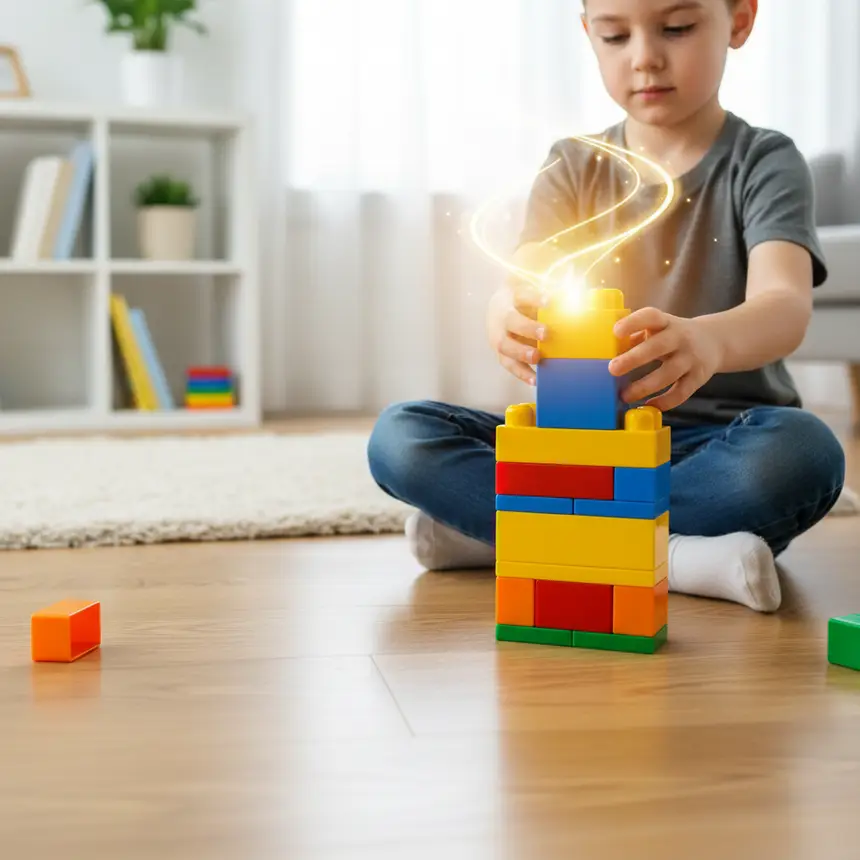
Discover how to implement positive discipline to foster your child's autonomy and self-esteem. Learn effective communication and age-appropriate strategies for building a strong, positive parent-child relationship.

Nurturing Capable Kids: The Power of Positive Guidance
In the journey of raising children, discipline is an inevitable part of parenting. It goes beyond simply correcting misbehavior; it's about helping children understand rules, develop self-control, and grow into responsible members of society. Effective discipline empowers children to take responsibility for their actions, cultivates empathy for others' feelings, and ultimately builds healthy self-esteem and autonomy. Conversely, emotional or inconsistent discipline can confuse children, eroding trust in their parents. Instead of fostering fear or rebellion, the goal of positive guidance is to help children feel secure and develop their own decision-making skills through parental instruction. Consistent and calm guidance provides a predictable environment, allowing children to thrive emotionally and develop properly.

Unlocking Your Child's Cooperation: Smart Discipline Conversations
To teach children desirable behaviors, parents need a wise approach. Effective discipline communication plays a crucial role in helping children listen to their parents and develop problem-solving skills.
- Maintain a Calm and Firm Tone: The most important aspect of disciplining a child is for parents to manage their own emotions. Instead of yelling or using threatening language, deliver your message in a calm yet firm voice. Sitting down to eye level and making eye contact helps children feel respected, making them more receptive to your message. For instance, if a child tries to snatch a toy from a friend, explain the consequence: "Your friend wants to play with that toy right now, and they might feel sad if you take it away."
- Foster Self-Reflection with Questions: Asking questions that encourage children to reflect on their actions elevates the quality of discipline. Instead of "Why did you do that?", ask questions that prompt them to consider the impact of their behavior, like "How do you think your friend felt when you threw their toy?" This helps children develop empathy by connecting their actions to others' emotions. The key is to help children recognize their mistakes independently and consider how to act differently next time.
- Address the Behavior, Not the Child: Discipline should focus on the specific misbehavior at hand. Avoid bringing up past mistakes or criticizing the child's character. Generalized statements like "You always do that" can lower a child's self-esteem and foster defiance. Instead, talk about the specific action, such as "Throwing that block at your friend was dangerous," and offer alternatives for future behavior. For example, you might suggest, "If you feel angry, can you tell Mommy instead of throwing blocks?"
※ This post contains affiliate links. I may earn a commission at no extra cost to you.


Age-Appropriate Discipline and Parental Presence
Tailoring discipline methods to a child's developmental stage maximizes their effectiveness. Toddlers (ages 2-6) often struggle with abstract thinking, so short, clear rules and immediate consequences are crucial. Simple, direct instructions like "That's dangerous!" or "No running!" are effective. At this stage, it's best to focus on safety and basic manners. For older children, you can explain the reasons and consequences of their actions in more detail.
Above all, consistency in discipline is paramount. If parents apply rules inconsistently, children become confused and find it difficult to discern right from wrong. Before disciplining, it's crucial for parents to check their own emotional state and maintain composure. Discipline delivered in anger can easily devolve into emotional scolding. Discipline should always be rooted in love and respect for the child. When parents reflect on their own reactions and guide their children from the child's perspective, discipline becomes invaluable teaching. It's beneficial for all family members to create clear, simple household rules together and regularly discuss them.
Above all, consistency in discipline is paramount. If parents apply rules inconsistently, children become confused and find it difficult to discern right from wrong. Before disciplining, it's crucial for parents to check their own emotional state and maintain composure. Discipline delivered in anger can easily devolve into emotional scolding. Discipline should always be rooted in love and respect for the child. When parents reflect on their own reactions and guide their children from the child's perspective, discipline becomes invaluable teaching. It's beneficial for all family members to create clear, simple household rules together and regularly discuss them.
Frequently Asked Questions
Q. What should I do if my child cries or refuses to listen during discipline?
A. When a child cries or resists, it's important to give them space to calm down. Acknowledge their feelings, such as "I see you're very upset right now. Let's talk about this when you're calm." It's best to continue the discussion after they've settled. The key is not to get emotionally swayed by their tears but to consistently apply established rules.
Q. How can I effectively discipline a child who repeatedly makes the same mistakes?
A. For recurring behaviors, first try to understand the context and reasons behind them. Strive to understand why your child acts that way, and clearly and repeatedly explain the consequences of their actions and offer alternatives. Sometimes, positive reinforcement through praise and rewards for desirable behavior can also be very effective.
Q. How does a child react when parents have different discipline approaches?
A. Differences in parental discipline can confuse a child. It's crucial for parents to agree on discipline principles and methods beforehand and present a united front. When one parent is disciplining, the other should offer support, and it's best to avoid disagreements in front of the child.
Q. When is the best time to start disciplining a child?
A. Simple, consistent discipline can begin around 18 to 24 months, when children start to understand the word 'no.' At this stage, short and clear instructions related to safety, such as 'hot' or 'don't touch,' are effective. It's important to gradually expand discipline as the child's understanding develops.