A guide to supporting attention development for children who appear calm but struggle with task engagement. Discover the characteristics of quiet focus challenges and practical tips for nutrition, physical activity, and daily routines.

H2. Is Your Quietly Playing Child Struggling to Focus?
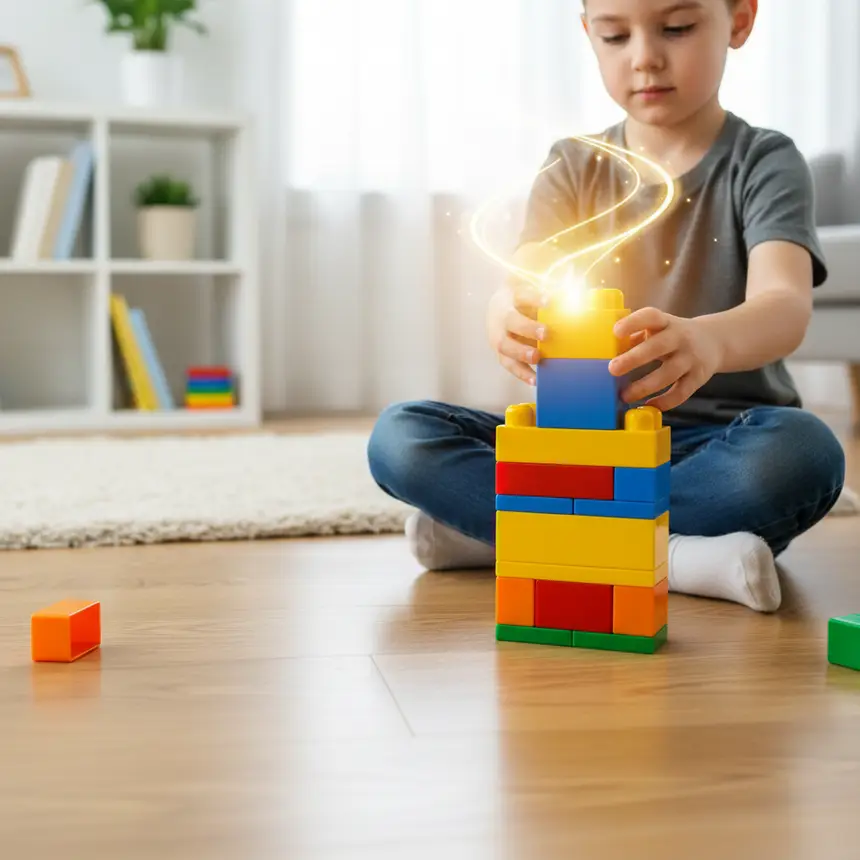
Imagine your little one, engrossed in building a magnificent tower of blocks in the sunny living room. They carefully select each piece, their brow furrowed in concentration. Then, suddenly, their gaze drifts off to a distant corner, the block still in hand, before they gently set it down and seem to lose interest, perhaps staring into space or starting an entirely different, unrelated activity. Because they aren't running around or making a fuss, it might seem like there's no issue at all. However, some children, despite appearing calm and composed, face subtle difficulties in initiating, sustaining, and completing tasks. This can be a sign of underlying attention challenges, often overlooked because they don't fit the typical image of a 'distracted' child. Recognizing these quiet cues is crucial, as they can impact a child's everyday learning and play.

H2. The Secret of 'Quiet Focus Challenges': Subtle Cognitive Regulation
When most parents think about attention difficulties in children, hyperactive and easily distracted behaviors often come to mind first. Yet, a significant number of children struggle with maintaining attention without displaying any overt signs of restlessness. These challenges are often termed 'quiet focus issues.' Rather than being easily sidetracked by external stimuli, these children tend to get lost in their own thoughts or shift attention internally, making it hard to consistently engage in a single activity. Here’s what it might look like: - Difficulty starting a specific task, or losing interest quickly and getting lost in thought once started. - Missing important instructions or information during an activity, or abandoning tasks before completion. - Appearing spaced out, daydreaming, or simply not engaging with the task at hand, even when physically present. This is more than just a behavioral quirk; it's closely tied to the developing executive functions of the brain, particularly in areas like the prefrontal cortex. Early recognition is key, as these challenges can affect not only academic learning but also social-emotional development. Paying attention to these subtle signals is vital for providing timely support.
※ This post contains affiliate links. I may earn a commission at no extra cost to you.


H2. Holistic Strategies to Support Your Child's Attention Development
To effectively help your child develop their attention skills, it's essential to adopt a comprehensive approach that goes beyond mere behavioral management. This means nurturing their overall growth environment and physiological balance, encompassing healthy nutrition, regular physical activity, and a stable learning environment. 1. Balanced Nutrition: Providing a diet rich in essential nutrients for brain development is paramount. Focus on omega-3 fatty acids (found in nuts, fatty fish), B vitamins (whole grains, leafy greens), and zinc (meats, legumes). Reduce processed foods and sugar intake, and encourage plenty of fresh fruits and vegetables. 2. Sufficient Physical Activity: Encourage diverse movements both indoors and outdoors. This promotes the development of both gross and fine motor skills, and stimulates cognitive brain functions. Activities that require coordination (e.g., ball games, cycling, playing in sand) positively impact attention span and self-regulation. 3. Stable Environment: Consistent routines and predictable daily schedules provide children with a sense of security, which helps them focus. Minimize distractions during learning or play, and ensure they have ample uninterrupted time to fully engage in an activity.

H2. Everyday Activities to Boost Concentration
Fostering your child's concentration doesn't require specialized educational programs. Small, consistent efforts at home can make a significant difference. Here are some effective strategies you can implement daily: - Establish Consistent Daily Routines: From waking up to bedtime, maintaining a predictable sequence and timing for activities helps your child feel secure in their environment, making it easier for them to focus on the next task. Set regular times for meals, play, and reading. - Give Short, Clear Instructions: Instead of giving multiple commands at once, offer one clear and concise instruction at a time to prevent your child from feeling overwhelmed. Using visual aids or demonstrating the task can also be very helpful. - Engage in Interest-Based Play: Participate in games and activities that align with your child’s interests. Activities like building with blocks, solving puzzles, drawing, or cooking together help children set goals and experience the satisfaction of completion, fostering their ability to concentrate. - Practice Focused Attention for Limited Periods: Start with short intervals, perhaps 5-10 minutes, and gradually increase the duration as your child’s attention improves. Using a visual timer can also help them understand and manage the time allotted for a task.

H2. Supporting Your Child's Unique Growth Journey
Every child develops at their own pace, and the process of developing attention skills varies widely among individuals. The first step is to understand that even if your child appears calm, they might be quietly struggling with attention internally. Patience is key; praise and encourage their small achievements, and support them in trying again even if they fail. If, despite your consistent efforts, your child's attention challenges significantly impact their daily life or learning, it's wise to consult with a child development specialist. They can help you explore personalized support strategies tailored to your child's unique needs. By understanding and respecting your child's developmental characteristics, you can become a strong, supportive companion on their growth journey.
Frequently Asked Questions
Q. My child seems quiet but can't focus on one thing for long. Is this normal development?
A. A child's ability to concentrate varies with their developmental stage. It's common for preschoolers to have shorter attention spans. However, if their focus is significantly shorter than peers, or if they consistently fail to complete tasks and frequently drift into daydreaming, it's important to understand their attention development and provide appropriate support. This can be easily overlooked due to the lack of overt behavioral issues but can impact their learning and play.
Q. What activities can I do at home to help my child improve their focus?
A. Engaging activities like puzzles, building blocks, drawing, imaginative play, and reading together are effective for building concentration. These activities help children set goals and experience the satisfaction of completing tasks, fostering focus and a sense of accomplishment. Start with short durations and gradually extend the time as they become more engaged.
Q. Can diet affect my child's attention development?
A. Absolutely. Nutrients vital for brain development and function can significantly influence attention. A balanced diet rich in omega-3 fatty acids, B vitamins, iron, and zinc can positively impact a child's cognitive function and attention. It's best to reduce processed foods and sugar, focusing instead on fresh vegetables, fruits, whole grains, and lean proteins.
Q. When should I consider seeking professional advice for my child's attention issues?
A. If your child's attention challenges persist despite your best efforts at home, or if they significantly impact their social interactions, learning activities, or overall daily life, it might be time to consult a professional. A child development specialist or counselor can accurately assess your child's situation and help you explore personalized support strategies for healthy growth.
Q. How is a child with 'quiet focus challenges' different from a generally restless child?
A. A generally restless child might show overt behaviors like getting out of their seat or excessive movement in response to external stimuli. In contrast, a child with 'quiet focus challenges' appears calm and still on the outside, but internally, their attention is fragmented, or they struggle to engage with tasks, often getting lost in their own thoughts. The lack of disruptive behavior means these challenges can often go unnoticed for longer.