Looking for effective ways to boost your elementary schooler's memory and learning ability? Discover practical memory training techniques, lifestyle habits, and multi-sensory activities for brain health in this guide. We provide concrete strategies to enhance your child's concentration and learning efficiency.

Why Memory is Crucial for Elementary School Children
Every parent of an elementary school child has likely worried about their child's learning abilities and focus. It can be disheartening to see them quickly forget what they learned in class or struggle to concentrate on homework. The ability to effectively remember and utilize new information—memory—is crucial not only for academic performance but also for overall learning development. How can we help our children not just memorize, but truly internalize what they learn and apply it creatively? In this article, we'll explore practical approaches to boosting your elementary schooler's memory and enhancing their learning efficiency.

Understanding Why Kids Struggle to Remember Learning Material
There are several reasons why elementary school children might struggle with retaining what they learn. First, their information processing methods are still developing. Unlike adults, children are still building their capacity to systematically categorize and connect information, meaning raw input can easily be lost. Second, a lack of interest in the learning material plays a big role. The brain tends not to prioritize boring information, making it harder for memory storage processes to activate. Third, poor concentration is a significant factor. Distractions from digital devices or the environment can cause children to miss opportunities for deep information processing. Finally, lifestyle habits like insufficient sleep or nutritional imbalances can also negatively impact brain function and memory. Understanding these underlying causes is the first step toward effectively training your child's memory.
※ This post contains affiliate links. I may earn a commission at no extra cost to you.

Comprehensive Strategies for Improving Elementary Student Memory
To build a strong foundation for your child's memory, a multi-faceted approach is essential.
- Stimulating Cognitive Skills Through Play:
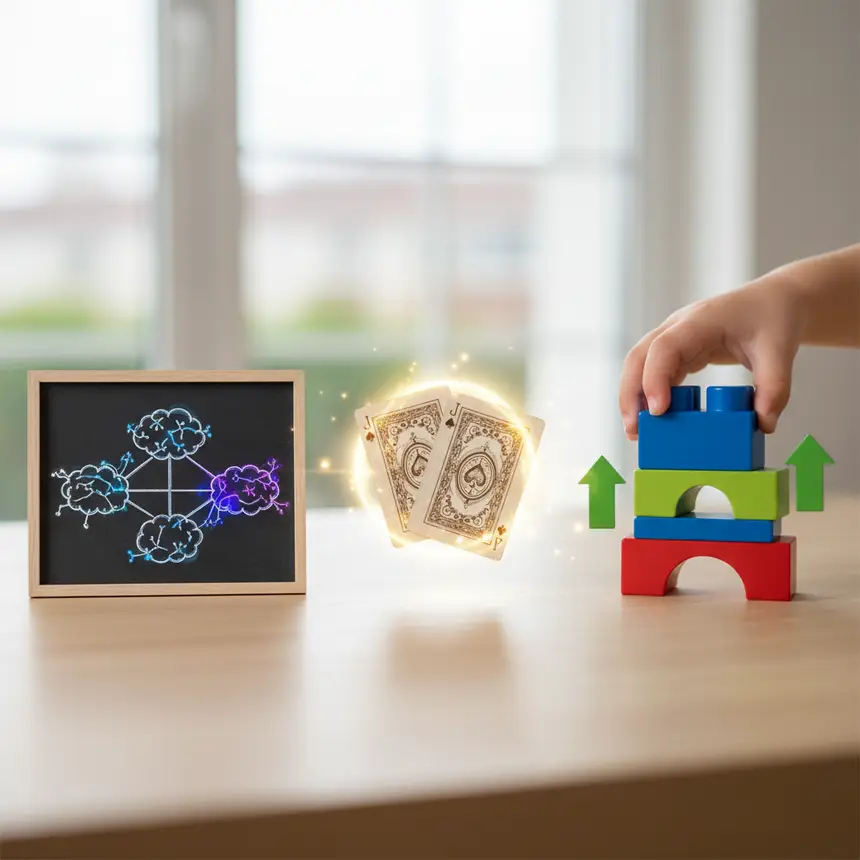
- Matching Games: Activities like flipping cards to find matching pictures or numbers simultaneously boost visual memory and concentration.
- Sequence Recall: Playing games where children listen to short sequences of numbers or words and repeat them in order helps strengthen short-term memory and auditory attention.
- Strategic Board Games: Games like chess or checkers, which require strategic thinking, naturally develop memory and problem-solving skills as children recall rules and predict outcomes.
- Building Memory Connections with Visualization Techniques:
- Associative Memory: When learning new words or concepts, encourage your child to link them with familiar images or experiences they already know. For instance, if learning about an 'apple,' prompt them to recall 'red color, round shape, sweet taste.'
- Concept Mapping: This involves placing the main learning topic in the center and drawing branches for related ideas, using pictures and short phrases. This visually structures information, aiding overall comprehension and recall.
- Learning Habits Utilizing Repetition and Spacing:
- Regular Review: Foster a habit of briefly revisiting learned material consistently. This could be a quick daily recap of yesterday's lessons or a weekend review of the week's topics.
- Spaced Learning: Rather than cramming all at once, this method involves distributing learning over several sessions with appropriate intervals. For example, reviewing what was learned today, then again tomorrow, in three days, and a week later.
- Engaging Multiple Senses for Lasting Memory Traces:
- Rhythm and Song for Memorization: Attaching melodies or rhythms to information that needs to be memorized can make dry facts much more fun and easier to recall, like turning a list into a short song.
- Physical Expression: Encourage children to use hand gestures or body movements when memorizing specific words or concepts. For example, when learning the word 'jump,' have them actually jump. This connects physical activity with cognitive effort, enhancing memory.
- Establishing a Foundation for Brain Health:
- Adequate Rest: For growing children, 9-10 hours of sufficient, quality sleep is crucial. During sleep, the brain performs vital tasks of consolidating information acquired during the day and converting it into long-term memories.
- Balanced Diet: Foods rich in brain-boosting nutrients like Omega-3 fatty acids (nuts, fatty fish) and antioxidants (berries, green vegetables) are beneficial for cognitive function.
- Consistent Physical Activity: Regular aerobic exercise increases blood flow to the brain and promotes the growth of brain cells, positively impacting memory and concentration.
Empowering Your Child's Memory Through Consistent Practice
Training an elementary schooler's memory is a process where consistency trumps short-term gains. The key is to try various methods and find what resonates with your child's personality, ensuring they enjoy the process. Instead of merely injecting information, aim to cultivate their ability to think, explore, and remember independently. By naturally integrating the play-based activities, visualization techniques, learning habits, multi-sensory engagements, and healthy lifestyle practices discussed above into their daily lives, your child can develop more effective ways to recall and utilize information for school and everyday situations. Be generous with praise and encouragement, and celebrate their small achievements. Ultimately, improved memory will lead to increased confidence and a positive attitude towards learning.
Frequently Asked Questions
Q. When is the best time to start memory training for elementary school children?
A. Memory training can start early, adapting to a child's cognitive development. It's beneficial to consistently offer memory-stimulating activities like matching games or puzzles, naturally integrated as play, from around age 5.
Q. My child isn't interested in learning and resists memory training. What should I do?
A. Instead of forcing them, try incorporating memory elements into games or activities your child already enjoys. For example, use their favorite character cards for matching games or link it with physical activities to make it fun and engaging.
Q. Are there specific foods or nutrients that help improve memory?
A. Rather than specific foods, a balanced diet is key. Consistently consuming foods rich in Omega-3 fatty acids, like fatty fish and nuts, and antioxidants from vegetables and fruits, which are essential for brain function, can be beneficial.