Is your baby struggling with sensitive skin? Discover effective strategies to protect and strengthen your infant's skin barrier, combat dryness, and address common skin issues from birth through toddlerhood. Get expert tips for maintaining healthy, happy baby skin.

Bringing Comfort and Joy Back to Sensitive Baby Skin
As parents, few things are as distressing as seeing our little ones uncomfortable, especially when it comes to their delicate skin. From the first weeks of life, many infants experience heat rash, prickly heat, or unexplained redness and bumps, which can quickly escalate into persistent irritation. When these skin issues cause relentless itching, leading to sleepless nights and cranky days, it can be truly heartbreaking for both baby and parent. The good news is that with a consistent and gentle approach to skin care, your baby’s skin can experience a remarkable transformation. By implementing proper hydration techniques and maintaining a pristine environment, you can fortify their skin barrier, reducing itchiness and restoring that cherished baby smile. Imagine your baby's skin feeling as soft and supple as a morning dew, bringing peace and comfort to their everyday life.
Tailored Daily Practices for Protecting Your Baby's Skin Barrier
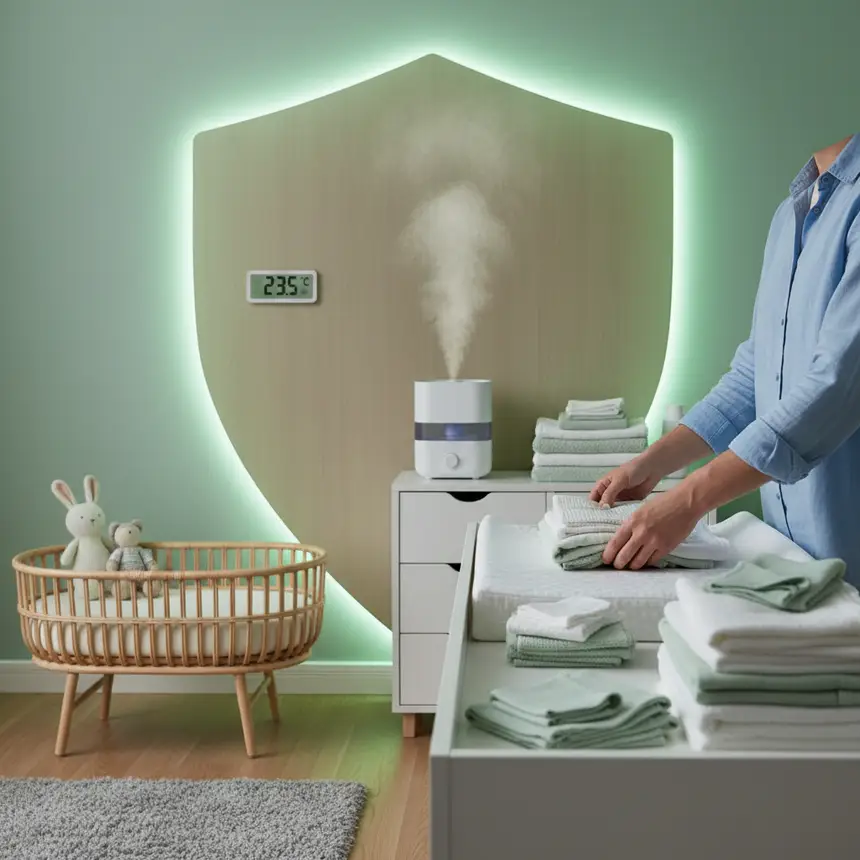
- Creating a Clean and Comfortable Home Environment for Skin Health
- Optimal Bathing Rituals and Immediate Hydration for Skin Protection
- Selecting Gentle Moisturizers and Mastering Application Techniques
※ This post contains affiliate links. I may earn a commission at no extra cost to you.


Consistent Vigilance: The Key to Your Baby's Lasting Skin Health
A baby's skin is a dynamic organ, constantly developing and adapting. From the fragile newborn phase through toddlerhood, it reacts acutely to external stimuli. Seasonal changes and dry climates demand even more attentive care. Skin issues are more than just a visual concern; severe itching can disrupt sleep, increase irritability, and potentially impact overall developmental milestones. Therefore, any appearance of redness, bumps, or roughness should be interpreted as a signal that the skin barrier is compromised, warranting immediate action to boost hydration and improve the surrounding environment. While these care principles apply to all infants and young children, they are especially crucial for newborns and babies under one year old, whose skin is particularly thin and whose barrier function is still maturing. Your careful attention and gentle touch are the most powerful tools for fostering healthy, radiant skin for your child. By consistently observing for changes and applying appropriate care, your baby can grow up with comfortable, well-hydrated skin, radiating joy and vitality.
Frequently Asked Questions
Q. When should I seek professional medical advice for my baby's skin rash?
A. While many common infant rashes like heat rash or prickly heat often resolve with environmental adjustments and diligent moisturizing, it's wise to consult a pediatrician if the rash worsens, causes your baby significant discomfort, interferes with sleep, or if you're unsure about the cause.
Q. How often should I apply moisturizer to my baby's skin for best results?
A. Always apply moisturizer immediately after bathing. Beyond that, aim for at least 2-3 times daily, and more frequently if your baby's skin is very dry or during particularly dry weather. Make it a routine to check their skin during diaper changes or when dressing them and reapply as needed.
Q. What's the most important factor when choosing a baby moisturizer?
A. The most critical factor is selecting a product with gentle, non-irritating ingredients. Prioritize fragrance-free, dye-free formulas, and those with a low potential for allergic reactions. It's also important to choose a product with a texture that absorbs comfortably without stickiness, ensuring your baby doesn't resist the application.