Childhood constipation can be more than just uncomfortable; it impacts a child's emotional well-being and physical development. This guide explores the causes of constipation and offers practical strategies for nutrition, activity, and habit formation to help your child develop healthy bowel habits.

Childhood Constipation: More Than Just Discomfort for Your Little One
Witnessing your child struggle with constipation day after day can be heart-wrenching for any parent. For growing kids, constipation isn't merely an uncomfortable digestive issue; it can significantly impact their emotional well-being and overall development. When bowel movements are painful due to hard stools, children often start to fear using the bathroom, leading them to hold it in. This retention makes the stool even harder, perpetuating a distressing cycle of pain and avoidance. If left unaddressed, this can foster a lasting aversion to toileting, negatively affecting their long-term bowel habits. It's crucial for parents to recognize the seriousness of childhood constipation and respond proactively. Helping your child achieve comfortable and regular bowel movements is essential not only for their physical health but also for their emotional stability and confidence.
Understanding the Complex Roots of Pediatric Constipation
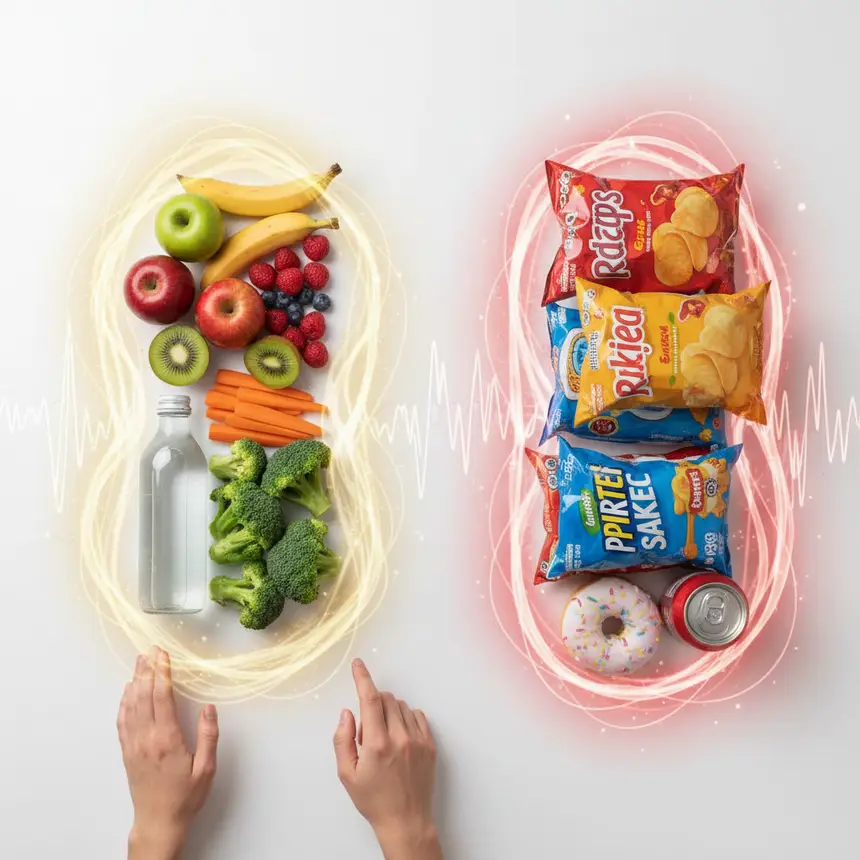
Childhood constipation often stems from a combination of factors. Common culprits include a diet lacking sufficient fiber, inadequate fluid intake, and a sedentary lifestyle. Kids' diets, often rich in processed foods and sugary snacks, can slow down bowel movements and lead to harder stools. During playtime, children might forget to drink enough water, further dehydrating their stools and worsening constipation. Limited physical activity also contributes, as it can reduce the natural peristaltic movements of the intestines necessary for efficient waste elimination. Beyond the physical, psychological factors play a significant role. A single painful experience with a hard stool can create a deep-seated fear of pooping. This fear causes children to intentionally hold their stool, which in turn makes it drier and harder, creating a vicious cycle of pain and reluctance during subsequent bowel movements. Parents need to grasp these intertwined causes and evaluate their child's daily habits to address the root of the problem effectively.
※ This post contains affiliate links. I may earn a commission at no extra cost to you.

Holistic Approaches: Nutrition, Activity, and Habit Formation for Relief
Managing and resolving a child's constipation is often achievable through consistent adjustments to their daily routine. Here are some practical strategies you can implement at home:
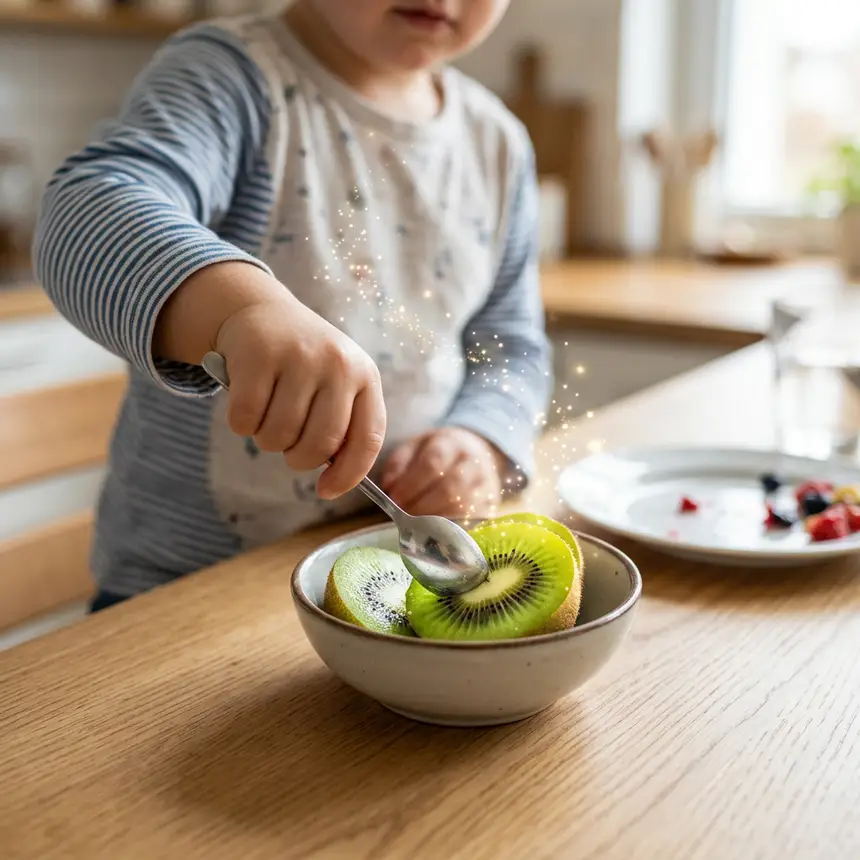
1. Ensure Ample Fiber and Hydration: Fiber and water are cornerstones of a healthy gut. Incorporate fiber-rich fruits into their morning routine, such as apples or pears, which contain pectin that aids digestion. Offer them grated or scraped with a spoon for easier consumption and absorption, aiming for at least five spoonfuls. Throughout the day, encourage regular water intake by keeping a water bottle handy and serving water with meals.
2. Promote Regular Physical Activity: Boosting physical activity is one of the most natural ways to stimulate bowel motility. Ensure your child gets at least 30 minutes of active playtime daily. This could be dancing indoors, playing tag at the park, or riding a scooter. Increasing activity before dinner can help stimulate bowel movements later that evening or the next morning. It’s important to time these activities to avoid your child becoming overly hungry or irritable.
3. Strategic Fasting for Better Digestion: Unlike adults, children's digestive systems may not send strong bowel signals if they are constantly snacking. Instead of continuous grazing, try to maintain a fasting period of 3 to 5 hours between meals. This allows the digestive system to rest and prepare to send stronger signals for elimination when food is next consumed. If snacks are necessary, opt for low-sugar, easily digestible options like bananas, a few nuts (if no allergies), or whole-grain crackers to avoid disrupting the fasting period significantly.
4. Consider Professional Guidance for Stool Softeners: If your child goes 2-3 days without a bowel movement and is experiencing distress, consulting a pediatrician about osmotic stool softeners can be beneficial. These aids work by drawing water into the stool, making it softer and easier to pass without pain. If prescribed, follow the doctor's instructions for dosage and timing, often recommended on an empty stomach in the morning. Always check the product's expiration and usage guidelines, as some may only be effective for a limited time after opening (e.g., within four weeks).
1. Ensure Ample Fiber and Hydration: Fiber and water are cornerstones of a healthy gut. Incorporate fiber-rich fruits into their morning routine, such as apples or pears, which contain pectin that aids digestion. Offer them grated or scraped with a spoon for easier consumption and absorption, aiming for at least five spoonfuls. Throughout the day, encourage regular water intake by keeping a water bottle handy and serving water with meals.
2. Promote Regular Physical Activity: Boosting physical activity is one of the most natural ways to stimulate bowel motility. Ensure your child gets at least 30 minutes of active playtime daily. This could be dancing indoors, playing tag at the park, or riding a scooter. Increasing activity before dinner can help stimulate bowel movements later that evening or the next morning. It’s important to time these activities to avoid your child becoming overly hungry or irritable.
3. Strategic Fasting for Better Digestion: Unlike adults, children's digestive systems may not send strong bowel signals if they are constantly snacking. Instead of continuous grazing, try to maintain a fasting period of 3 to 5 hours between meals. This allows the digestive system to rest and prepare to send stronger signals for elimination when food is next consumed. If snacks are necessary, opt for low-sugar, easily digestible options like bananas, a few nuts (if no allergies), or whole-grain crackers to avoid disrupting the fasting period significantly.
4. Consider Professional Guidance for Stool Softeners: If your child goes 2-3 days without a bowel movement and is experiencing distress, consulting a pediatrician about osmotic stool softeners can be beneficial. These aids work by drawing water into the stool, making it softer and easier to pass without pain. If prescribed, follow the doctor's instructions for dosage and timing, often recommended on an empty stomach in the morning. Always check the product's expiration and usage guidelines, as some may only be effective for a limited time after opening (e.g., within four weeks).

Sustained Management and Positive Reinforcement for Healthy Bowel Experiences
Addressing childhood constipation is not a quick fix; it's an ongoing journey of consistent attention and effort. A painful experience with hard stools can leave a lasting impression, fostering an aversion to using the toilet. Therefore, it is paramount to continuously create positive, pain-free bowel experiences for your child. The integration of fiber-rich fruits in the morning, sufficient water intake, increased physical activity, and appropriate fasting periods between meals collectively establishes a healthy bowel rhythm for your child. Occasionally, seeking professional advice for suitable bowel aids can also be a wise step. Your patience and positive reinforcement are crucial in alleviating your child's fears and establishing healthy bowel habits. Start today by creating a personalized management plan for your child’s comfortable bowel movements. This proactive approach will bring peace and improved health to both your child and your family.
Frequently Asked Questions
Q. When should I consult a doctor about my child's constipation?
A. If your child hasn't had a bowel movement for 2-3 days, complains of severe pain during pooping, cries frequently, or if you notice blood in their stool, it's crucial to consult a pediatrician without delay. Early professional advice can prevent further complications and ensure appropriate management.
Q. What foods, besides fiber, can help with my child's constipation?
A. Beyond dietary fiber, foods rich in probiotics like yogurt or fermented milk can support gut health. Magnesium-rich foods such as leafy green vegetables, certain nuts (if no allergies), and seeds can also help stimulate bowel movements and soften stool.
Q. How can I help my child if they are afraid to poop?
A. If your child is afraid to poop, approach them with gentle encouragement rather than scolding. Make bathroom time a positive experience by reading a story, or using a sticker chart as a reward. Explain in simple terms why holding it in isn't good and reassure them that pooping can be pain-free with the right habits.
Q. Is physical activity truly important for resolving constipation?
A. Yes, physical activity is a very important factor in resolving constipation. Increased physical movement activates intestinal peristalsis, aiding in the digestion and elimination of food waste. Full-body exercises like walking, running, or cycling are particularly effective in strengthening bowel muscles and promoting regular bowel movements.
Q. What daily routines can I establish to support healthy bowel habits in my child?
A. Establishing regular meal times, ensuring adequate hydration, providing at least 30 minutes of active play daily, maintaining appropriate fasting periods between meals, and encouraging consistent toilet-sitting times can significantly improve your child's gut health and aid in constipation prevention and management.