Don't panic when your baby has a fever. Learn clear guidelines for low-grade vs. high fever, effective home care strategies, and crucial signs for when to call the doctor, empowering parents with essential knowledge.

H2. When Your Baby's Temperature Rises: A Parent's Guide
Discovering your newborn or infant has a fever can be one of the most unsettling experiences for new parents. That tiny, delicate body suddenly feels warm, and a cascade of worries floods your mind. Is it a serious fever? How high is too high? Should we rush to the doctor? It's easy to get caught up in the numbers on the thermometer, but understanding your baby's unique thermoregulation and knowing the right steps to take can bring immense peace of mind. This guide aims to provide clear, actionable information on how to identify, monitor, and wisely respond to fever in infants, helping you navigate these moments with confidence.
H2. Decoding Your Baby's Temperature: What's Normal, What's Not
Infants and newborns have an immature ability to regulate their body temperature, making them highly susceptible to changes in their environment. Factors like being overdressed or a warm room can temporarily elevate their temperature, making it feel like a fever. This is why accurate temperature measurement and a clear understanding of what constitutes a fever are crucial.
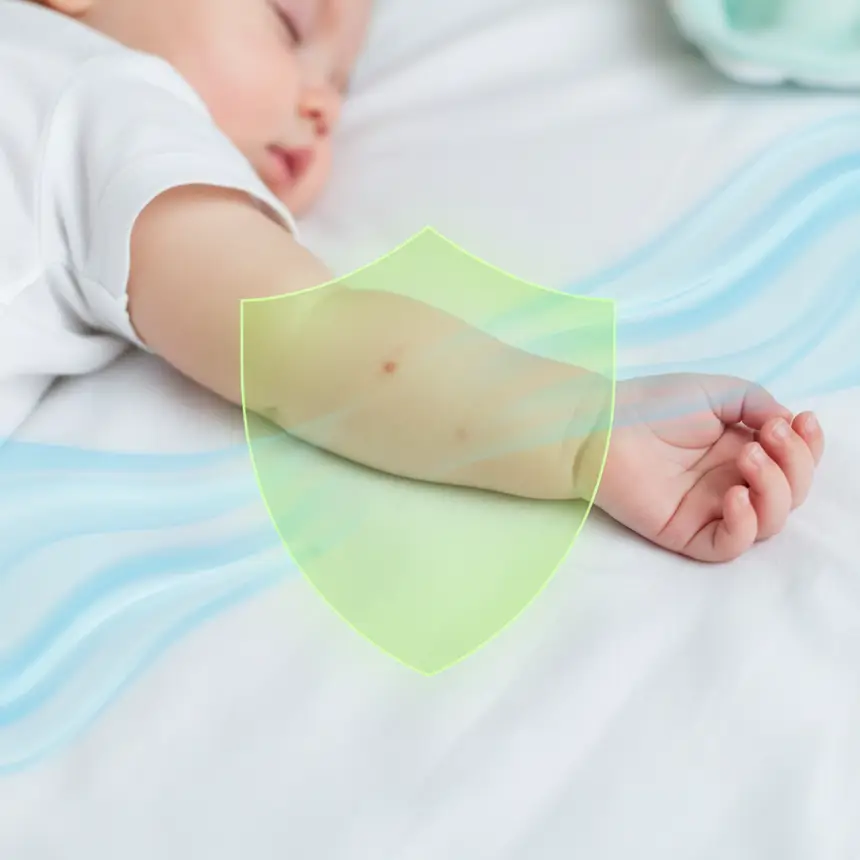
It is critically important to note that if your baby is under three months old and registers a temperature of 100.4°F (38.0°C) or higher, immediate medical evaluation is necessary. Their immune systems are still developing, and even seemingly minor symptoms can indicate a more serious condition. Additionally, skin irritations often referred to as 'heat rash,' appear as small bumps and are usually caused by overheating or sweat, not necessarily a fever. If your baby has a rash but a normal temperature, adjusting their environment might be the first step.
- Normal Temperature Range: A baby's typical temperature falls between 97.7°F (36.5°C) and 100.2°F (37.9°C).
- Low-Grade Fever: A temperature around 100.4°F (38.0°C) is generally considered a low-grade fever.
- High Fever: Any temperature at or above 100.4°F (38.0°C) is classified as a high fever.
It is critically important to note that if your baby is under three months old and registers a temperature of 100.4°F (38.0°C) or higher, immediate medical evaluation is necessary. Their immune systems are still developing, and even seemingly minor symptoms can indicate a more serious condition. Additionally, skin irritations often referred to as 'heat rash,' appear as small bumps and are usually caused by overheating or sweat, not necessarily a fever. If your baby has a rash but a normal temperature, adjusting their environment might be the first step.
※ This post contains affiliate links. I may earn a commission at no extra cost to you.

H2. Practical Steps for Managing Your Baby's Fever
When your baby has a fever, your response will depend on the severity and accompanying symptoms. There are situations that warrant immediate medical attention and others where you can provide comfort at home.
1. When to Seek Immediate Medical Attention:
2. Home Care Strategies for Mild Fever:
1. When to Seek Immediate Medical Attention:
- If your baby's temperature is sustained at 100.4°F (38.0°C) or higher, especially if they are under three months old.
- If your baby seems unusually listless, drowsy, or significantly less active than usual.
- If they refuse to feed, show signs of dehydration (fewer wet diapers), or experience vomiting or diarrhea.
- If the fever lasts for more than 24 hours or doesn't respond to appropriate home care.
- If you observe any rash that accompanies the fever and your baby's overall condition seems poor.
2. Home Care Strategies for Mild Fever:
- Dress your baby in light clothing to prevent overheating. Avoid bundling them up, which can trap heat.
- Gently wipe away any sweat and change damp clothes to keep them comfortable and help regulate their temperature.
- Maintain a comfortable room temperature, ideally between 75-79°F (24-26°C), and ensure adequate humidity to prevent dry skin.
- Offer frequent feedings (breast milk or formula) to ensure your baby stays well-hydrated. Hydration is key during a fever.
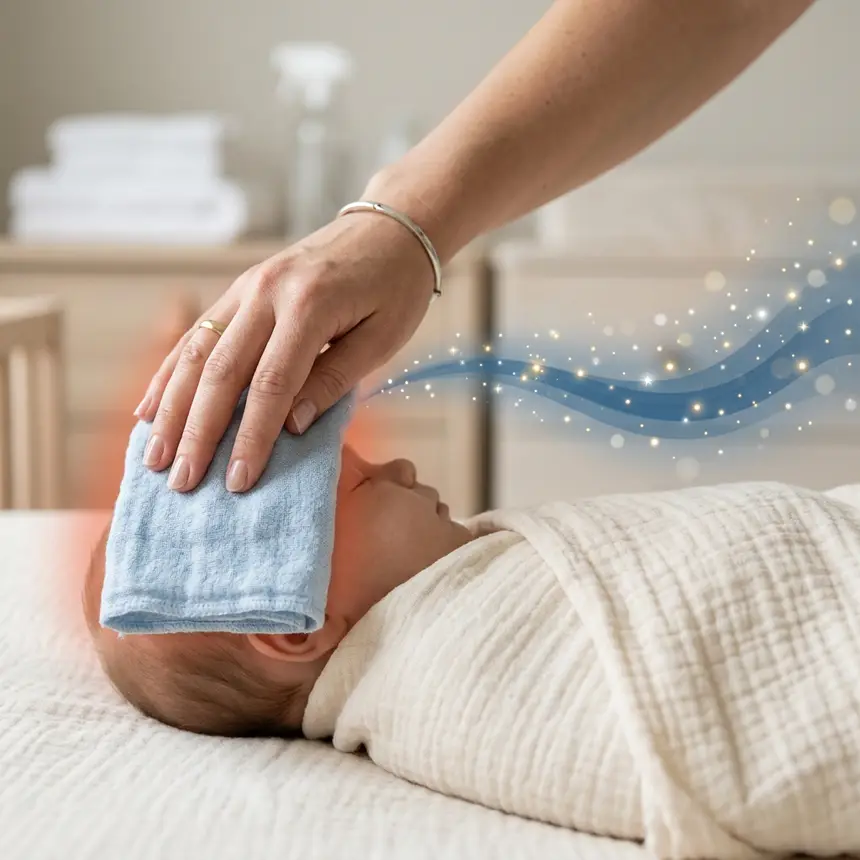
- You can gently sponge your baby with lukewarm water (around 86°F or 30°C). Focus on areas like the forehead, neck, and armpits. Avoid cold water, which can cause shivering and actually raise body temperature.
- Crucially, never give any fever-reducing medication without first consulting your pediatrician. Dosage and type of medication are highly specific, especially for infants.
H2. Beyond the Thermometer: Listening to Your Baby's Cues
While the numbers on a thermometer are a valuable indicator, they don't tell the whole story. Observing your baby's overall demeanor and behavior is equally, if not more, important. Since infants cannot verbally communicate their discomfort, parents must become adept at reading their non-verbal cues.
These observations are vital signals that complement the thermometer reading. If your baby has a fever but is still feeding well, playing, and generally seems fine, you might focus on comfort and environmental adjustments while monitoring closely. Conversely, even a low-grade fever with a baby who seems unwell warrants professional medical advice.
- Facial Expressions and Mood: Are they unusually fussy, irritable, or unusually quiet and subdued? Or are they still playing and engaging as usual?
- Feeding Habits: Is your baby feeding normally, or are they refusing to eat, or sucking weakly? Reduced feeding can be a significant sign.
- Activity Levels: Is there a noticeable decrease in their usual movements and playfulness? Are they unusually sleepy or difficult to rouse?
- Skin Tone and Breathing: Does their skin appear unusually pale or flushed? Is their breathing faster or more labored than normal?
These observations are vital signals that complement the thermometer reading. If your baby has a fever but is still feeding well, playing, and generally seems fine, you might focus on comfort and environmental adjustments while monitoring closely. Conversely, even a low-grade fever with a baby who seems unwell warrants professional medical advice.
H2. Facing Fever with Confidence: Empowering Parents
The anxiety that accompanies an infant's fever is a natural part of parenthood. However, fever itself is often a sign that your baby's body is actively fighting off an infection, a natural defense mechanism. The most important thing is to understand the context of the fever, carefully observe your baby's condition, and respond appropriately.
By arming yourself with the knowledge of fever criteria, when to seek medical help, and effective home care strategies, you can approach these situations with greater confidence and less distress. Instead of feeling overwhelmed by the unknown, rely on objective information and your parental intuition. Your informed judgment and loving care are the strongest foundations for your baby's healthy development.
By arming yourself with the knowledge of fever criteria, when to seek medical help, and effective home care strategies, you can approach these situations with greater confidence and less distress. Instead of feeling overwhelmed by the unknown, rely on objective information and your parental intuition. Your informed judgment and loving care are the strongest foundations for your baby's healthy development.
Frequently Asked Questions
Q. What is the specific temperature threshold for low-grade vs. high fever in babies?
A. A temperature around 100.4°F (38.0°C) is considered a low-grade fever, while anything at or above 100.4°F (38.0°C) is a high fever. For babies under three months, any temperature of 100.4°F or higher requires immediate medical attention.
Q. My baby has a 'heat rash' but no fever. What should I do?
A. Heat rashes are often caused by overheating or excessive sweating. Dress your baby in lighter clothing and ensure their room is cool and well-ventilated. If their temperature is normal, focus on environmental adjustments rather than worrying about the rash itself.
Q. Can I give my baby fever-reducing medication right away when they have a fever?
A. No, it's crucial not to give any fever-reducing medication to infants without consulting a pediatrician or pharmacist first. They will provide guidance on the correct type, dosage, and whether medication is appropriate for your baby's age and condition.
Q. Besides a thermometer, what other signs should I look for to assess my baby's fever?
A. Pay close attention to your baby's overall condition, including their mood, feeding habits, activity level, skin color, and breathing patterns. These cues provide important insights into how well your baby is handling the fever.
Q. What should I do if my baby with a fever seems unusually sluggish or isn't eating?
A. If your baby's fever is persistent (e.g., 100.4°F or higher) and they are unusually lethargic or showing a significant decrease in feeding, it's safest to seek immediate medical attention from a healthcare professional.