Discover effective strategies for your child's healthy mouth. From preventing toddler cavities to establishing proper oral hygiene, this guide offers practical tips to protect your child's dental health.

Healthy Teeth: A Strong Foundation for Your Child's Growth
Effective oral care for children goes beyond mere hygiene; it plays a critical role in their overall growth and development. The oral environment established in early childhood can influence lifelong dental health, nutrient intake, speech development, and even social interactions. For instance, dental pain or discomfort might prevent a child from chewing food properly, leading to nutritional imbalances that could impede growth. It could also hinder clear pronunciation or lead to a lack of self-confidence, affecting peer relationships.
Instilling proper oral care habits from a young age is key to preventing toddler cavities, which in turn sets the stage for healthy permanent teeth. If primary teeth are damaged or lost prematurely, it can lead to insufficient space for permanent teeth to erupt, increasing the risk of malocclusion or overcrowding. Therefore, protecting your child's smile and fostering a healthy future begins with consistent parental attention and effort in oral care. Regular dental check-ups and practical at-home routines are crucial to help your child maintain a healthy, bright smile.
Instilling proper oral care habits from a young age is key to preventing toddler cavities, which in turn sets the stage for healthy permanent teeth. If primary teeth are damaged or lost prematurely, it can lead to insufficient space for permanent teeth to erupt, increasing the risk of malocclusion or overcrowding. Therefore, protecting your child's smile and fostering a healthy future begins with consistent parental attention and effort in oral care. Regular dental check-ups and practical at-home routines are crucial to help your child maintain a healthy, bright smile.
A Multifaceted Approach to Protecting Your Child's Oral Environment
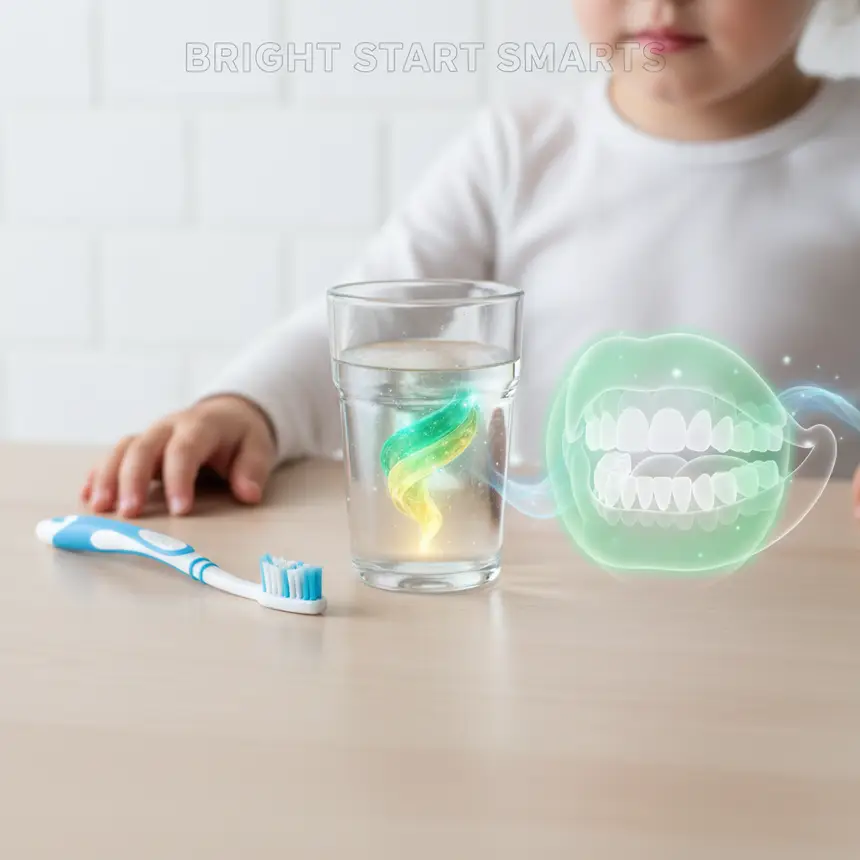
To safeguard your child's oral health, it's essential to maintain a clean mouth environment through various methods beyond just brushing. Choosing the right oral hygiene products is a great starting point. Opt for toothbrushes with soft bristles appropriate for your child's age and toothpastes made with safe ingredients. Toothpastes containing minerals similar to those found in tooth enamel, or supplementary oral rinses with ingredients that selectively manage harmful bacteria, can help boost your child's oral immunity.
Nutritional management is also vital for oral health. Minimize sugary snacks and drinks, and encourage consumption of fiber-rich vegetables and fruits, which naturally help clean teeth and stimulate saliva production. A habit of drinking water frequently keeps the mouth moist, significantly inhibiting bacterial growth.
Furthermore, breathing habits and preventing dry mouth are more critical for cavity prevention than often realized. For example, a habit of mouth breathing instead of nasal breathing can easily dry out the mouth, creating an ideal environment for bacteria to multiply and increasing the risk of cavities. In such cases, efforts to improve breathing should be combined with considering appropriate supplementary oral care products to combat dry mouth. Ensuring adequate hydration and using products that help moisturize the mouth are also beneficial strategies.
Nutritional management is also vital for oral health. Minimize sugary snacks and drinks, and encourage consumption of fiber-rich vegetables and fruits, which naturally help clean teeth and stimulate saliva production. A habit of drinking water frequently keeps the mouth moist, significantly inhibiting bacterial growth.
Furthermore, breathing habits and preventing dry mouth are more critical for cavity prevention than often realized. For example, a habit of mouth breathing instead of nasal breathing can easily dry out the mouth, creating an ideal environment for bacteria to multiply and increasing the risk of cavities. In such cases, efforts to improve breathing should be combined with considering appropriate supplementary oral care products to combat dry mouth. Ensuring adequate hydration and using products that help moisturize the mouth are also beneficial strategies.
※ This post contains affiliate links. I may earn a commission at no extra cost to you.

Making Daily Oral Care a Fun and Consistent Habit
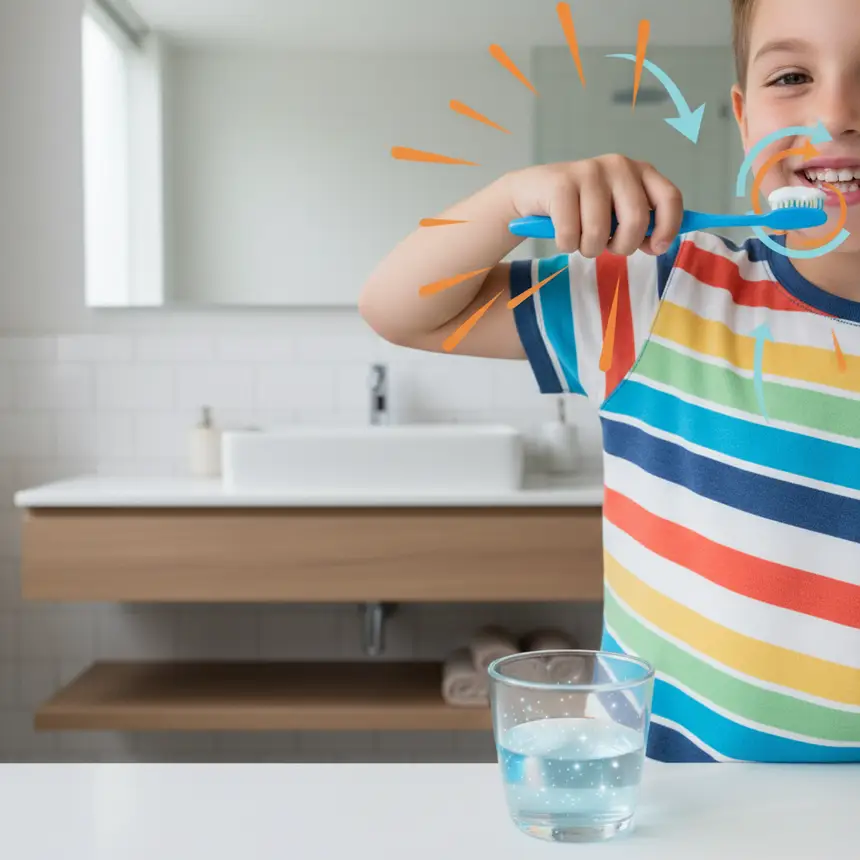
The most fundamental practice for your child's oral health is establishing proper brushing habits. Following age-appropriate guidelines for brushing is crucial:
1. Infancy (0-3 years): As soon as the first tooth appears, parents should gently clean with a soft baby toothbrush or gauze. Use a tiny smear of toothpaste, about the size of a grain of rice.
2. Preschoolers (4-7 years): Children start attempting to brush independently but often lack dexterity. Parental supervision is essential. After your child brushes, it's a good idea for a parent to do a thorough follow-up. Use a pea-sized amount of toothpaste.
3. School-aged children (8+ years): While children at this age can brush quite well on their own, it's advisable for parents to check or assist with brushing, especially before bedtime. Educate them to pay extra attention to hard-to-reach molars and between teeth.
Beyond brushing, incorporating supplemental oral rinses can be effective. Oral rinses help manage bacteria in areas that are difficult for a toothbrush to reach, keeping the mouth environment cleaner. Introduce them when your child can reliably swish liquid in their mouth for about 30 seconds and spit it out. Always check product instructions for dilution. If your child initially wants to rinse with water afterward, allow it, but gradually encourage them to let the rinse work without immediate rinsing. Choosing a flavor or scent your child enjoys can help them accept it more readily. Making these practices a part of their daily routine, turning them into enjoyable habits, is key.
1. Infancy (0-3 years): As soon as the first tooth appears, parents should gently clean with a soft baby toothbrush or gauze. Use a tiny smear of toothpaste, about the size of a grain of rice.
2. Preschoolers (4-7 years): Children start attempting to brush independently but often lack dexterity. Parental supervision is essential. After your child brushes, it's a good idea for a parent to do a thorough follow-up. Use a pea-sized amount of toothpaste.
3. School-aged children (8+ years): While children at this age can brush quite well on their own, it's advisable for parents to check or assist with brushing, especially before bedtime. Educate them to pay extra attention to hard-to-reach molars and between teeth.
Beyond brushing, incorporating supplemental oral rinses can be effective. Oral rinses help manage bacteria in areas that are difficult for a toothbrush to reach, keeping the mouth environment cleaner. Introduce them when your child can reliably swish liquid in their mouth for about 30 seconds and spit it out. Always check product instructions for dilution. If your child initially wants to rinse with water afterward, allow it, but gradually encourage them to let the rinse work without immediate rinsing. Choosing a flavor or scent your child enjoys can help them accept it more readily. Making these practices a part of their daily routine, turning them into enjoyable habits, is key.
Important Considerations for Safe and Effective Oral Hygiene
When managing your child's oral health, it's beneficial to be aware of several important precautions. First, always select oral hygiene products that are appropriate for your child's age and developmental stage. For example, oral rinses should only be used when a child can reliably spit out the liquid, and concentrated products must be diluted to the recommended ratio.
Second, excessive expectations or a forceful approach can lead to resistance from your child. Consistency is vital in oral care, so motivating your child through praise and rewards for their participation is effective. For instance, offering a favorite character sticker after brushing or using a praise chart can create positive experiences.
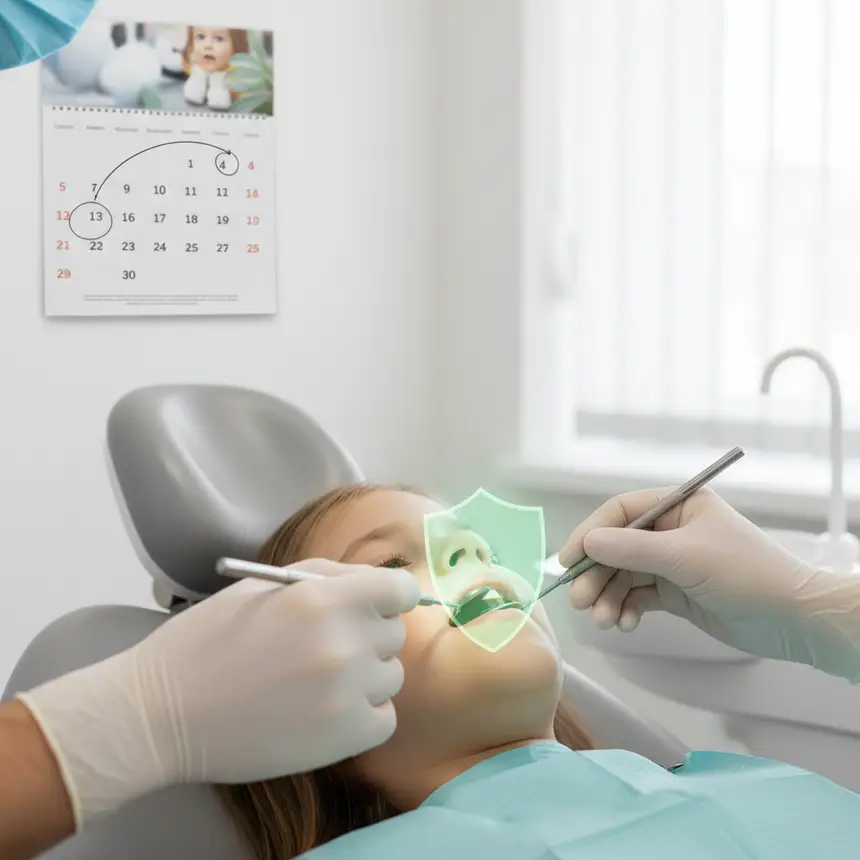
Third, regular dental check-ups cannot be overemphasized. Even with diligent at-home care, professional diagnosis and advice are indispensable. It's generally recommended to visit the dentist every six months to assess your child's oral condition and receive preventive treatments like fluoride application if needed. If your child is undergoing orthodontic treatment or has specific oral issues, it's even more crucial to visit the dentist more frequently and follow expert instructions.
Based on these considerations, children who can reliably spit out liquid, typically from around 3 years old, can start using supplementary oral rinses for their oral care. Above all, remember that parental involvement and setting a good example have the greatest impact on forming healthy oral habits in children.
Second, excessive expectations or a forceful approach can lead to resistance from your child. Consistency is vital in oral care, so motivating your child through praise and rewards for their participation is effective. For instance, offering a favorite character sticker after brushing or using a praise chart can create positive experiences.
Third, regular dental check-ups cannot be overemphasized. Even with diligent at-home care, professional diagnosis and advice are indispensable. It's generally recommended to visit the dentist every six months to assess your child's oral condition and receive preventive treatments like fluoride application if needed. If your child is undergoing orthodontic treatment or has specific oral issues, it's even more crucial to visit the dentist more frequently and follow expert instructions.
Based on these considerations, children who can reliably spit out liquid, typically from around 3 years old, can start using supplementary oral rinses for their oral care. Above all, remember that parental involvement and setting a good example have the greatest impact on forming healthy oral habits in children.
Frequently Asked Questions
Q. Is it safe if my child accidentally swallows some mouth rinse?
A. Most children's oral rinses are formulated with safe ingredients, but it's always best to teach them not to swallow. While ingesting a small amount is usually not an issue, to prevent habitual swallowing, it's important to start using oral rinses only when your child can reliably spit it out completely.
Q. At what age should I introduce an oral rinse to my child's routine?
A. It's generally appropriate to introduce oral rinses when a child can hold liquid in their mouth for about 30 seconds and spit it out reliably, typically around 3-4 years of age. Always check the product's age recommendations and introduce it according to your child's developmental stage.
Q. Besides brushing, what else can I do to prevent cavities in my toddler?
A. In addition to brushing, maintaining a low-sugar diet, ensuring adequate water intake, scheduling regular dental check-ups (every six months), and considering professional preventive treatments like fluoride application when needed are all effective strategies.
Q. Does mouth breathing really increase the risk of cavities in children?
A. Yes, it does. Breathing through the mouth instead of the nose can lead to a dry mouth, weakening the protective function of saliva. This creates an environment conducive to cavity-causing bacteria. Efforts to prevent dry mouth are necessary, and managing underlying issues like allergies or congestion is beneficial.
Q. What should I look for when choosing an oral rinse for my child?
A. Look for alcohol-free and fluoride-free options, and choose products with minimal artificial sweeteners or synthetic colors. Consider products that contain minerals similar to tooth components or ingredients that help manage harmful bacteria. It's also important to select a flavor and scent that your child will readily accept.