Explore the rapid physical and emotional changes of puberty in 5th grade boys. Learn practical ways parents can support their child's healthy development, covering nutrition, sleep, exercise, and emotional communication during this critical growth spurt.

H2. What's Happening to My Boy? Navigating New Stages
One day, your son, who seemed like a little kid just yesterday, starts exhibiting unfamiliar behaviors and physical changes. You might notice his shoulders broadening, his voice getting a bit deeper, or even a newfound defiance in response to your words. He spends more time with friends, glued to their conversations, and seeks out his own space. These unexpected shifts can leave parents feeling confused or even worried. However, these are often positive signs that your child is entering a significant new phase of development. For boys, especially around the 5th grade, these changes are entirely natural. Understanding this period and responding wisely is crucial for fostering your child's healthy growth and well-being.
H2. Riding the Waves of Rapid Growth: Physical and Emotional Transformations
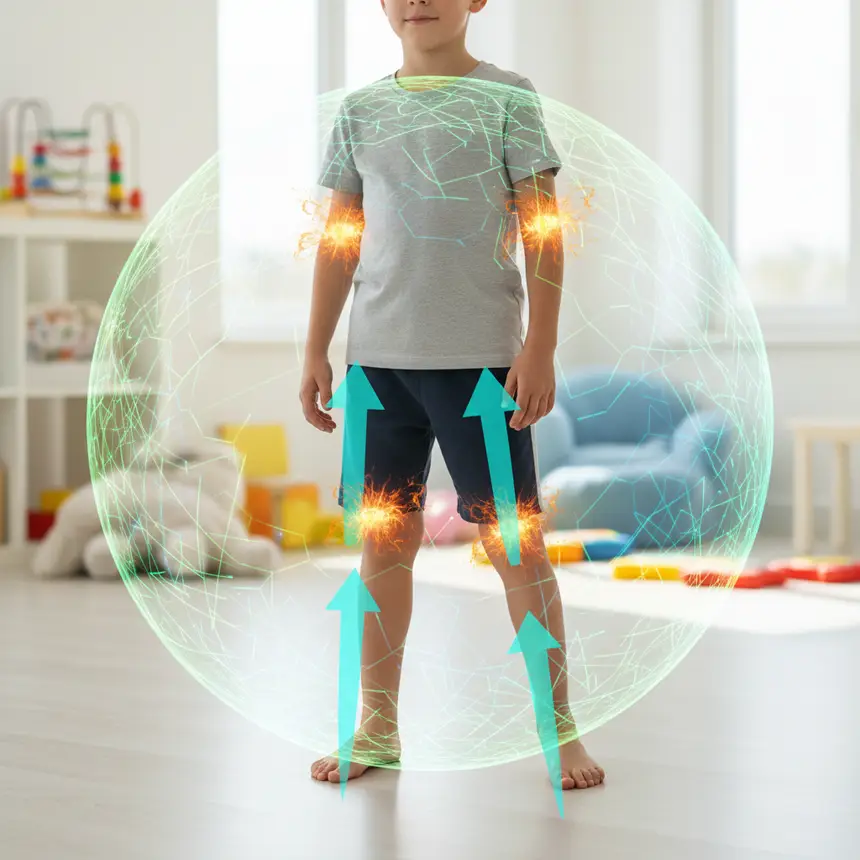
Around age 11, during the 5th grade, boys experience rapid physical and emotional changes. This period is often referred to as a 'growth spurt,' where they can grow more than 2-3 inches in a year. You might observe their shoulders widening and muscle mass increasing, leading to a sturdier physique, with hands and feet often growing first. Hormonal activations, essential for development, trigger size and shape changes in certain body parts. The development of body hair and a gradual deepening of the voice are also common. Furthermore, increased activity of oil glands can lead to minor skin changes, and increased perspiration might make them more conscious of body odor.
Alongside physical shifts, emotional waves can be intense. Hormonal fluctuations often cause mood swings, making them more sensitive to minor issues or more rebellious towards parents. Peer relationships become incredibly important during this time, and there's a strong desire to establish their identity and place within their social group. Their interest in their own body heightens, leading to comparisons with friends that can evoke feelings of superiority or inferiority. These changes are all part of your child's journey towards developing autonomy and becoming an independent individual.
Alongside physical shifts, emotional waves can be intense. Hormonal fluctuations often cause mood swings, making them more sensitive to minor issues or more rebellious towards parents. Peer relationships become incredibly important during this time, and there's a strong desire to establish their identity and place within their social group. Their interest in their own body heightens, leading to comparisons with friends that can evoke feelings of superiority or inferiority. These changes are all part of your child's journey towards developing autonomy and becoming an independent individual.
※ This post contains affiliate links. I may earn a commission at no extra cost to you.


H2. Essential Pillars for Healthy Growth: Nutrition, Activity, and Connection
During this critical growth period, a parent's role in supporting healthy development becomes even more vital. Above all, balanced nutrition is essential. Protein is crucial for muscle and tissue development, while calcium and vitamin D are key for bone growth. Ensure your child consumes enough milk, cheese, yogurt, small bone-in fish, leafy green vegetables, and legumes. Encourage outdoor activities where they can get sunshine to aid vitamin D synthesis. Additionally, 9-10 hours of quality sleep daily directly influences growth hormone secretion, so establishing a regular sleep schedule is paramount.
Physical activity stimulates growth plates, increases bone density, and helps build muscle strength and flexibility. Encourage your child to engage in sports or activities they enjoy, such as basketball, jumping rope, or swimming. Aim for at least 30 minutes of energetic play each day. Finally, having open and honest conversations about their changing bodies and minds is crucial. Provide accurate information about body changes, address their curiosities without judgment, and create an atmosphere where they feel comfortable discussing anything.
Physical activity stimulates growth plates, increases bone density, and helps build muscle strength and flexibility. Encourage your child to engage in sports or activities they enjoy, such as basketball, jumping rope, or swimming. Aim for at least 30 minutes of energetic play each day. Finally, having open and honest conversations about their changing bodies and minds is crucial. Provide accurate information about body changes, address their curiosities without judgment, and create an atmosphere where they feel comfortable discussing anything.

H2. Smart Monitoring of Your Child's Development
Every child grows at their own pace. There's no need to worry simply because your child is taller or shorter than their peers. What truly matters is their 'growth rate.' If your child is consistently growing more than 2 inches (5 cm) per year, they are generally developing healthily. However, if their growth slows to less than 1.5 inches (4 cm) annually, or if you notice a sudden plateau in growth, it's wise to consult with a professional to assess their developmental status. Similarly, pay close attention if signs of puberty appear significantly earlier or later than the average timeframe.
Protecting your child's self-esteem is another vital parental role during this phase. Teasing them about physical changes or comparing them to other children can be deeply hurtful. Consistently offer encouragement and love to help your child embrace their body positively and grow up healthy. Respect their autonomy, provide opportunities for independent decision-making, and offer warm advice and support, rather than criticism, when they make mistakes.
Protecting your child's self-esteem is another vital parental role during this phase. Teasing them about physical changes or comparing them to other children can be deeply hurtful. Consistently offer encouragement and love to help your child embrace their body positively and grow up healthy. Respect their autonomy, provide opportunities for independent decision-making, and offer warm advice and support, rather than criticism, when they make mistakes.

H2. Growing Together: Parental Wisdom for a Changing Child
The 5th-grade year is a period of intense growth and change for your child, and it calls for new wisdom from parents to understand and support them. Observe your child's physical and emotional transformations closely, and don't hesitate to seek professional help when needed. Regular developmental check-ups are essential to support their healthy growth and identify any potential challenges early on.
Most importantly, provide your child with unwavering love and support. Respect all the changes they are experiencing and help them to accept themselves positively. Your warm attention and understanding will be the greatest strength in helping your child navigate this period healthily and happily. In every moment, your child is growing alongside you, moving towards a brighter tomorrow.
Most importantly, provide your child with unwavering love and support. Respect all the changes they are experiencing and help them to accept themselves positively. Your warm attention and understanding will be the greatest strength in helping your child navigate this period healthily and happily. In every moment, your child is growing alongside you, moving towards a brighter tomorrow.
Frequently Asked Questions
Q. What are the average height and weight for a 5th grade boy?
A. On average, a 5th grade boy is about 57-59 inches (145-150 cm) tall and weighs around 88-99 pounds (40-45 kg). However, these are just averages, and there's a wide range of individual differences, so don't worry if your child is slightly outside this range. Consistent annual growth is more important than fitting an exact average.
Q. My son is very sensitive about his pubertal changes. How should I talk to him?
A. Respect his feelings and try to have open, honest conversations about his changing body and mind. Provide accurate information about puberty, listen to his questions without judgment, and create a comfortable atmosphere where he feels safe to talk. Respecting his privacy is also key.
Q. I'm concerned my son's pubertal changes are happening too early compared to his peers.
A. If signs of puberty (like certain physical changes) appear before age 9, it's advisable to consult a pediatrician or a specialist to assess your child's developmental status. While every child's development timeline is unique, sometimes intervention or guidance may be beneficial for early onset puberty.