Struggling to build early reading habits in your child? Discover the power of interactive reading and engaging post-reading activities to foster a lifelong love for books.

Is Your Child Truly Engaging with Books?
In a child's developmental journey, early reading habits are essential for language development, fostering imagination, and expanding critical thinking. However, many parents find it challenging to spark their child's interest in reading or feel unsure how to begin. Is your child merely viewing books as just another toy? Or does reading time feel more like an obligation than a joyful exploration? To inspire children to seek out books and immerse themselves in stories, a special approach beyond simple reading is needed. Gift your child the experience of delightful communication and learning through books.

Understanding Why Children Might Resist Reading
Several factors can contribute to a child's lack of interest in books. Firstly, there might have been insufficient early exposure to reading, or increased media consumption may have reduced interaction with books. Secondly, if reading is forced or perceived as a dull activity, a child's curiosity can diminish. A parent's one-sided reading approach or a rigid atmosphere also plays a role. Thirdly, children often lose interest quickly if books don't align with their developmental stage or personal interests. Since children love exploring their world, they lose focus if a book feels disconnected from their reality. These elements can collectively hinder the formation of positive early reading habits.
※ This post contains affiliate links. I may earn a commission at no extra cost to you.


The Joy of Interactive Reading Through Post-Reading Activities
To genuinely instill a love for reading, we must encourage children to actively interact with the book's content, rather than passively listening. A key method for this is through post-reading activities. These activities connect the story to the real world, stimulate a child's imagination, and provide opportunities for emotional expression. For instance, after reading, you could cut out characters for a puppet show or draw scenes from the story to boost a child's engagement. Furthermore, engaging in deep conversations about the book goes beyond mere information transfer; it becomes a precious time to understand and connect with your child's thoughts and feelings. This interaction helps children perceive books as 'worlds of stories.'

Practical Tips for Engaging Reading Play at Home
Here are some practical tips to effectively foster early childhood reading habits at home:
- Step into the Character's Shoes: After reading, encourage your child to role-play as their favorite character. Simple props can make the experience more immersive.
- Develop Fine Motor Skills with Cutting and Pasting: Activities like cutting out images from a story or gluing them onto paper are excellent for fine motor development. Adapt these into puzzles or mazes to boost concentration.
- Make Your Own Book: Encourage your child to draw memorable scenes from a book and add their own words, creating a small personal book. The sense of accomplishment reinforces a positive association with reading.

Embark on a Joyful Reading Journey with Your Child
Early childhood reading habits extend far beyond literacy, profoundly influencing a child's overall development. A positive first encounter with books sets a crucial foundation for a lifelong love of reading. In this journey, the parent's role transforms from 'teacher' to 'fellow explorer.' By respecting your child's interests and consistently providing engaging, book-related experiences, your child will learn about the world and expand their own horizons through stories. Every post-reading activity plants valuable seeds for their language skills, critical thinking, creativity, and emotional growth. Why not begin an exciting adventure into the world of books with your child today?
Frequently Asked Questions
Q. My child resists reading. What can I do?
A. If your child resists reading, avoid forcing it. Instead, focus on identifying their interests. Find books on topics they love and approach reading through diverse post-reading activities, such as discussing illustrations or playing with story characters. Creating positive experiences around books is key. Also, modeling joyful reading yourself can be very helpful.
Q. Do post-reading activities need to be complicated?
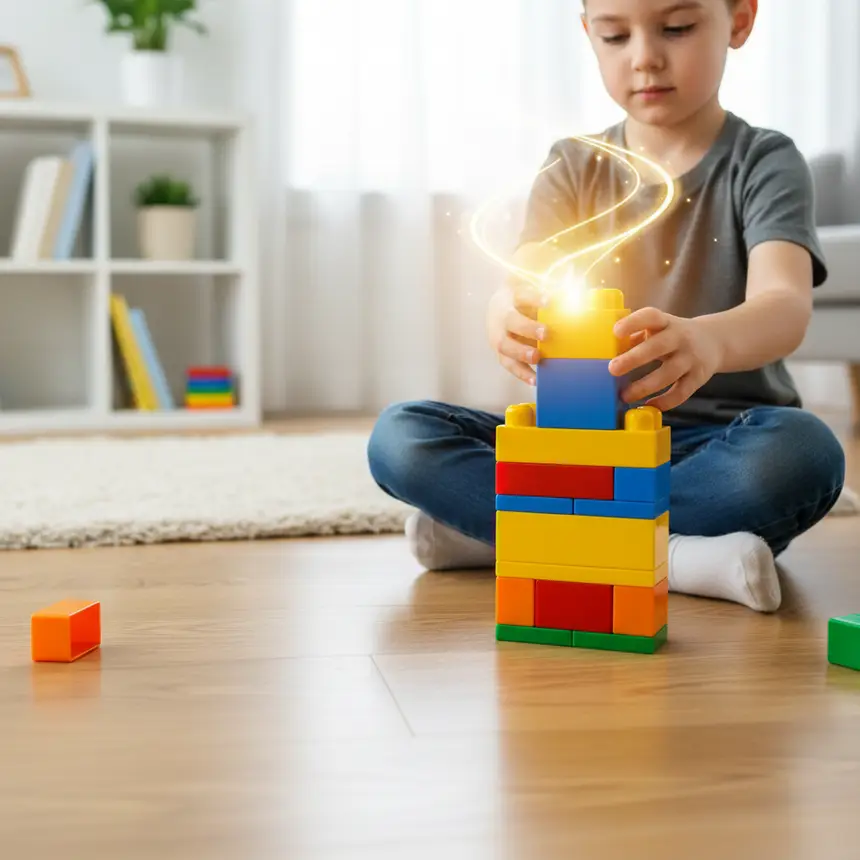
A. Not at all! The purpose of post-reading activities is to engage your child and deepen their understanding of the book. Simple activities like drawing a favorite character, having quick Q&A sessions, or building with blocks to represent a scene from the story are perfectly sufficient. The most important aspect is the quality time spent interacting and having fun together.
Q. When is the best time to start fostering reading habits?
A. The earlier, the better. Reading storybooks aloud to newborns helps with emotional and language development. Once your child begins to show interest in picture books, actively start engaging in activities like turning pages together and discussing the illustrations with them. Consistency and early exposure are key.
Q. How do I choose the right books for my young child?
A. It's crucial to consider your child's age, developmental stage, and individual interests. For infants and toddlers, sensory books and pop-up books that stimulate the senses are excellent. Gradually expand to picture books with diverse themes. Most importantly, respect your child's choices and show genuine interest in enjoying the book alongside them.