Worried about sudden rashes or skin troubles on your active toddler? Learn effective cleansing, soothing, and moisturizing techniques for sensitive baby skin to maintain a healthy skin environment.

Is Your Little One's Skin Showing These Changes?
As toddlers approach their first birthday, their activity levels skyrocket. This increased exploration often means more exposure to sweat, dirt, and general wear and tear, which can lead to unexpected skin concerns. Many parents are surprised to find red patches or tiny bumps suddenly appearing on their child's skin. While sometimes mistaken for simple heat rash, these irritations can persist, causing discomfort and worry. These skin changes are often a natural response of sensitive baby skin to external stimuli. Recognizing and properly responding to these signals from your child's delicate skin is incredibly important.

Why Does Toddler Skin Suddenly Become So Sensitive?
Around their first year, a baby's skin is still developing. Unlike adult skin, their outer skin layer (stratum corneum) is significantly thinner, about one-third the thickness of an adult's. This means their skin barrier, which protects against external irritants and locks in moisture, is less mature. Consequently, it's more vulnerable to various factors like sweat, saliva, food residues, friction from clothing, dry air, and even minor temperature fluctuations. Active toddlers, with their higher sweat production and frequent contact with various objects, are particularly prone to skin irritation. A combination of these factors can compromise skin health, leading to visible skin troubles.
※ This post contains affiliate links. I may earn a commission at no extra cost to you.


Smart Approaches to Managing Baby Skin Issues, Step-by-Step
Sensitive baby skin requires consistent and gentle care. Follow these three core steps to help keep your child's skin healthy:
- Gentle Cleansing for Purity: While it's crucial to keep baby skin clean, harsh cleansing can cause further irritation. Use lukewarm water and a mild, baby-specific cleanser. Lather the cleanser thoroughly in your hands before gently applying it to your child's skin, avoiding harsh scrubbing. Rinse thoroughly to ensure no residue is left behind, then pat the skin dry with a soft towel.
- Soothing for Comfort: For areas with redness or warmth, apply a light, refreshing soothing product. Fast-absorbing formulas are ideal as they prevent stickiness and help maintain a comfortable skin temperature. Feel free to reapply on sensitive areas like the face and neck as needed.
- Thorough Moisturizing for Protection: After soothing, it’s essential to apply a generous amount of moisturizing cream to strengthen the skin's protective barrier. A good moisturizer should provide ample hydration without feeling heavy, shielding the skin from external irritants. Focus on drier areas and gently spread the cream with your palms until it’s fully absorbed. Remember the 'golden minute' rule: moisturize within a few minutes of bathing to lock in hydration.

Consistency is Key: Practical Daily Skin Care Tips
Resolving baby skin issues often requires consistent effort rather than a quick fix. Consider these practical tips for maintaining your child's healthy skin:
- Maintain a Consistent Routine: Sticking to a daily routine of cleansing, soothing, and moisturizing after baths is crucial. Even if you don't see immediate changes, consistent application for over a week will likely show reduced redness and improved skin texture. You can typically expect noticeable positive changes after about 2 to 3 weeks of dedicated care.
- Observe Your Child's Behavior: A significant indicator of improved skin comfort is a reduction in your child's scratching or rubbing of specific areas. This suggests their skin is less itchy and feels more at ease, giving parents reassurance that their care efforts are effective.
- Adapt to Environmental Changes: Skin condition can fluctuate with seasonal changes, indoor humidity, and even your child's general well-being. If you notice new irritations or a decline in skin health, be flexible with your routine. This might mean increasing the amount of moisturizer, or applying soothing products more frequently, to adapt to the changing needs of their skin.
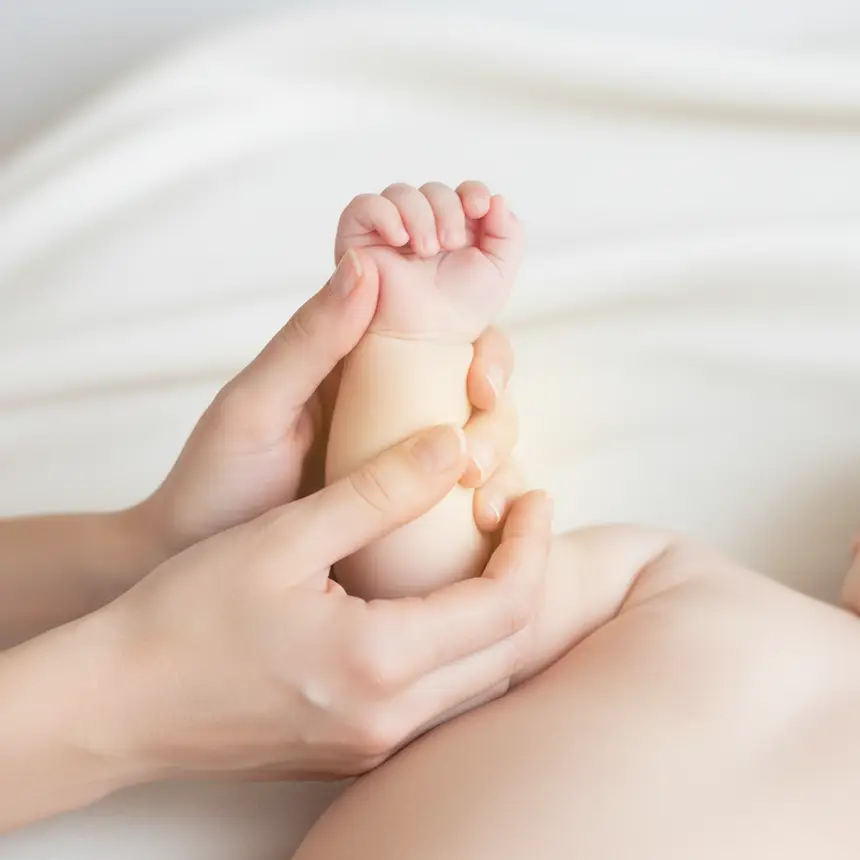
Your Attention Illuminates Your Baby's Skin
Skin troubles are a common part of a child's growth journey. Discovering redness or bumps can be worrying for parents, but these can often be signs of your baby's skin developing and adapting to its environment. The key is to minimize irritation and maintain consistent care using gentle methods.
Your daily routine of cleansing, soothing, and moisturizing will build a healthy protective layer on your child's delicate skin, bringing them comfort. With your attentive observation and persistent efforts, your child can enjoy healthy, radiant skin year-round, growing happily and comfortably.
Your daily routine of cleansing, soothing, and moisturizing will build a healthy protective layer on your child's delicate skin, bringing them comfort. With your attentive observation and persistent efforts, your child can enjoy healthy, radiant skin year-round, growing happily and comfortably.
Frequently Asked Questions
Q. Are rashes common in toddlers around their first birthday?
A. Yes, rashes and red bumps are quite common in toddlers around their first birthday. This is due to their increased activity levels, frequent exposure to external environments, and their skin's still-developing protective functions.
Q. What's the first step I should take at home if my baby develops a skin rash?
A. The first step is to gently cleanse the skin with a mild, baby-specific cleanser and lukewarm water. Immediately after, apply a lightweight soothing product followed by a rich moisturizing cream to create a protective barrier. Consistency in this three-step routine is key.
Q. What precautions should I take when cleansing my baby's skin?
A. Avoid water that's too hot or too cold; lukewarm is best. Use a soft, foamy baby cleanser, lathering it in your hands first. Gently wipe the skin without scrubbing, and ensure all cleanser residue is thoroughly rinsed off to prevent irritation.
Q. How often should I apply moisturizer for effective results?
A. Applying moisturizer within a few minutes after bathing is most effective. If your baby's skin feels dry, it's beneficial to reapply several times throughout the day. A generous application before bedtime can help maintain skin hydration overnight.
Q. What if my baby's skin condition doesn't improve with consistent care?
A. If despite consistent care over a reasonable period, your baby's skin rash does not improve or appears to worsen, it might be advisable to consult a healthcare professional for an accurate assessment and tailored advice.