Discover the vital importance of beneficial bacteria and Vitamin D for your child's strong growth and enhanced immunity. Support your child's healthy development through balanced nutrition and proper intake methods.

H2 The Core of Your Child's Robust Growth: Probiotics and Vitamin D
Every parent's greatest wish is to see their children grow up healthy and strong. Bolstering immunity and fostering robust bone development play pivotal roles in a child's overall well-being. Two key players in this crucial process are beneficial bacteria, which maintain gut health, and Vitamin D, essential for skeletal formation. These two nutrients help balance a child's internal systems, provide protection from environmental challenges, and lay a solid foundation for energetic daily life. Let's explore why these nutrients are so vital for healthy growth and how you can naturally integrate them into your child's routine. Our goal is not just to supplement nutrients, but to empower children to cultivate their own healthy bodies.
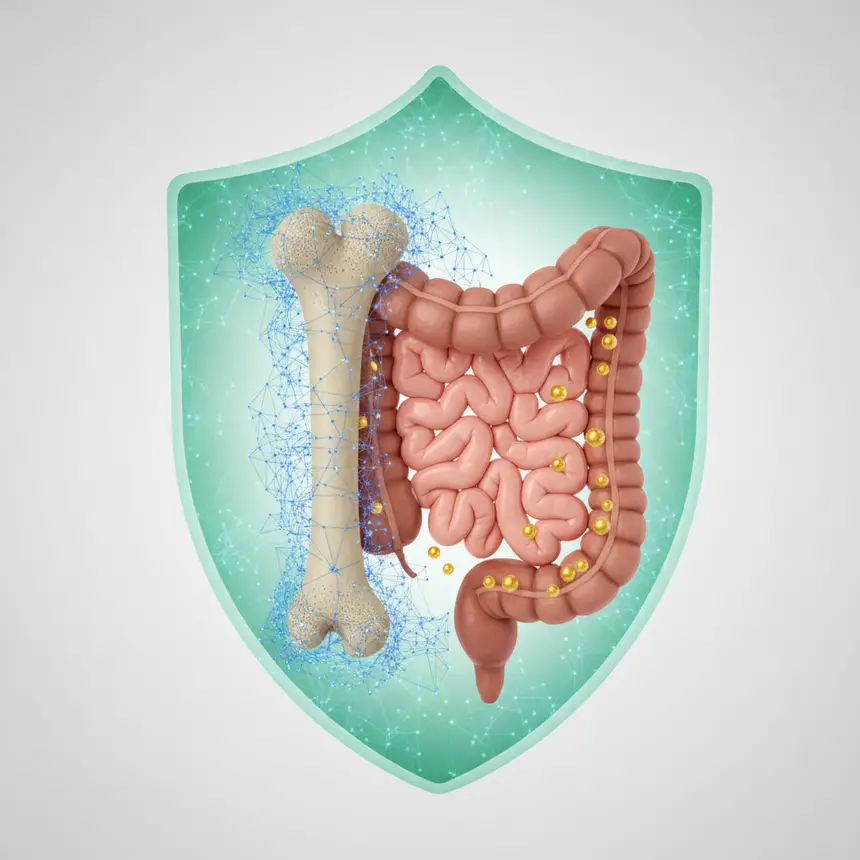
H2 Understanding Essential Nutrients for Gut Health and Bone Structure
A child's gut is often referred to as the 'second brain' due to its profound impact on overall health. Beneficial bacteria in the gut aid in food digestion and nutrient absorption, and suppress the growth of harmful bacteria, thereby maintaining a healthy gut environment. This process also strengthens the immune system, increasing resistance to external stressors. Various studies have shown that specific strains of beneficial bacteria can positively influence not only gut health but also systemic immunity. Meanwhile, Vitamin D is an indispensable nutrient for the body's absorption and utilization of calcium and phosphorus, directly involved in bone formation and maintenance. For growing children, it's crucial for building and sustaining a strong skeletal system, and in adulthood, it helps reduce the risk of bone-related issues like osteoporosis. Considering modern lifestyles where sufficient sun exposure is often limited, the balanced intake of these two nutrients is a must-address aspect of a child's developmental journey. Harmonizing gut health and bone health is the path to boosting your child's overall vitality.
※ This post contains affiliate links. I may earn a commission at no extra cost to you.

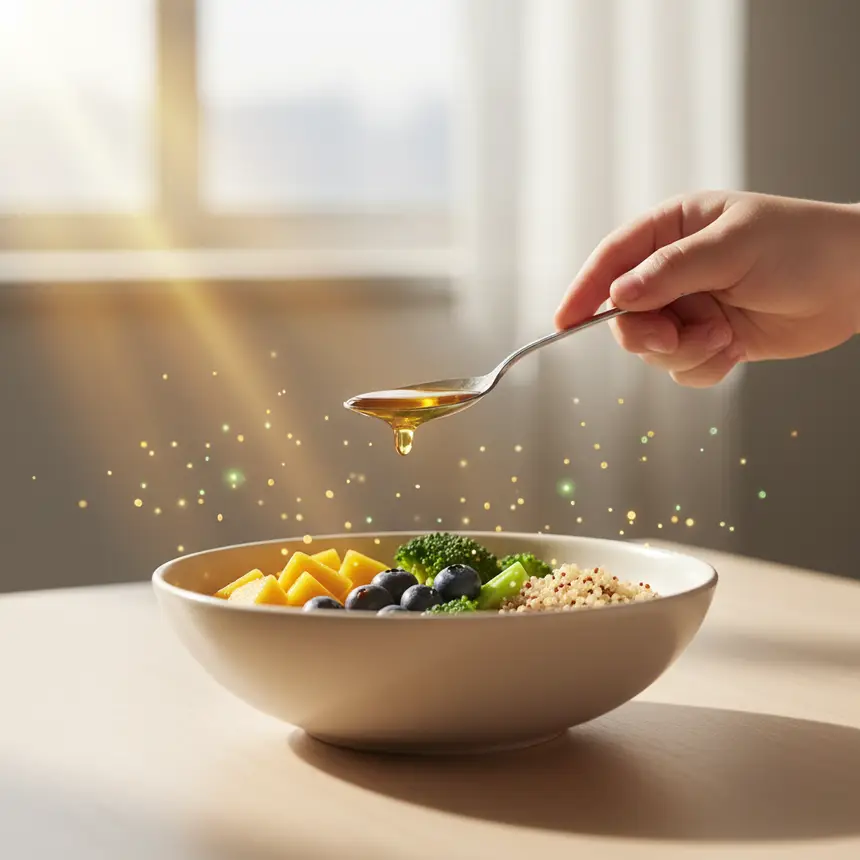
H2 Practical Guide for Probiotics and Vitamin D in Your Child's Diet
Ensuring your child consistently gets enough beneficial bacteria and Vitamin D for their health is actually simpler than it sounds. Firstly, it's great to introduce beneficial bacteria naturally through their diet. Foods like plain yogurt, fermented milk, and even some fermented vegetables can be excellent sources. If your child is particular about fermented foods, you might consider a nutritional supplement containing the necessary beneficial bacteria. Powdered supplements can be easily mixed into water, milk, juice, or purees, or even taken directly by mouth. For Vitamin D intake, sun exposure is paramount. Regular outdoor activities, where your child spends about 15-20 minutes with bare arms and legs in the sun, greatly aids Vitamin D synthesis. However, on cloudy days or when indoor activities dominate, supplements can be an effective alternative. Liquid Vitamin D supplements are easy to administer to young children—just a drop on a spoon, or mixed into breast milk, formula, or other beverages. The key is to find a method that is convenient and enjoyable for your child, encouraging consistent intake. Small daily efforts can lead to significant long-term health benefits for your child.
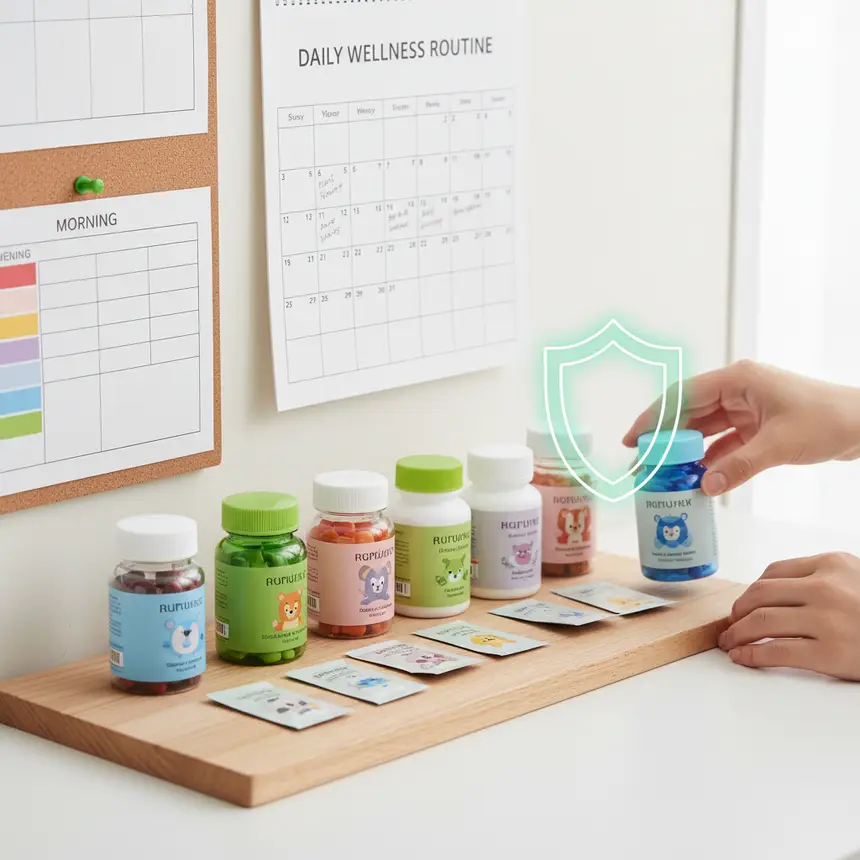
H2 Considerations for Choosing Supplements and Age-Specific Approaches
When selecting probiotic and Vitamin D supplements, there are several important points to consider. First, confirm that the product is appropriate for your child's age. Infants and toddlers typically benefit from small, liquid forms, while older children might prefer products with appealing flavors and textures. Second, it’s crucial to choose pure products without unnecessary additives like artificial sweeteners or flavors. Third, ensure the product is backed by reliable information and strictly adhere to the recommended dosage provided. Storage is also vital; keep supplements away from direct sunlight and store them at room temperature to maintain nutrient stability. For infants, mixing supplements into breast milk, formula, or baby food is common. As children grow, they can often take supplements directly from a spoon or by mouth. Making supplement intake a positive experience can also contribute to developing healthy habits. Nutritional supplementation should be viewed from a long-term perspective. Continuously observe your child's condition and reactions, and consult with a healthcare professional if adjustments are needed. Wise choices and consistent attention are essential for your child's healthy future.
Frequently Asked Questions
Q. Does my child really need probiotic supplements?
A. Probiotic supplements are not strictly necessary, but they can be beneficial for children who are picky eaters, have gut health issues, or need an immune boost. They can be a good alternative if dietary intake isn't sufficient.
Q. Is sunlight alone enough for Vitamin D?
A. Theoretically, sunlight might be enough, but due to seasonal changes, weather conditions, time spent indoors, and sunscreen use, sufficient Vitamin D synthesis is often challenging. Many experts recommend supplementation.
Q. When is a good time to start giving my child nutritional supplements?
A. Nutritional supplementation should be approached differently depending on a child's developmental stage and health status. Vitamin D intake is often recommended from birth, while probiotics can typically be introduced after starting solids or in consultation with a pediatrician.
Q. Is it okay to give probiotics and Vitamin D together?
A. Yes, probiotics and Vitamin D are different types of nutrients and can generally be taken together without issues. In fact, a synergistic effect can sometimes be expected. Just be sure to follow the recommended dosages for each product.
Q. What should I do if my child refuses to take supplements?
A. If your child refuses supplements, try changing the flavor or form, or mixing them into food. It's more important to make it a positive experience rather than forcing it.