Worried about your child's posture or weight? Discover how healthy eating, exercise, sleep, and stress management can support their overall development and set the foundation for a lifetime of well-being.

Are These Common Issues Holding Your Child Back?
As parents, we often have concerns about our children's development. Do you notice your child struggling with their weight, seeming constantly fatigued, or displaying an unusual posture? The elementary school years are a critical period for physical, social, and emotional growth. During this time, challenges like childhood obesity or poor posture can significantly impact not just physical health but also a child's self-esteem and overall well-being. If your child complains of foot pain after walking, or if their head appears to tilt to one side, these could be signs of underlying issues that deserve attention. Understanding these concerns and proactively addressing them is key to helping your child grow into a more vibrant and healthy individual.

Unpacking the Roots of Developmental Challenges
A child's development is influenced by a complex web of factors. When a child carries excess weight, known as childhood obesity, it's more than just an aesthetic concern. The added burden on growing bones and joints can lead to discomfort, such as foot pain, and stress on the knees and spine. Conditions like scoliosis (curvature of the spine) or a persistent head tilt are often linked to weight issues. Poor posture can create imbalances in the body's alignment and muscle development, which can then contribute to weight gain, creating a challenging cycle. Factors such as insufficient physical activity, irregular eating patterns, and increased screen time are frequently identified as key contributors to these growing issues in children. Addressing these root causes early on is crucial, as habits formed during these formative years can extend into adulthood.
※ This post contains affiliate links. I may earn a commission at no extra cost to you.

A Holistic Approach to Nurturing Your Child's Health
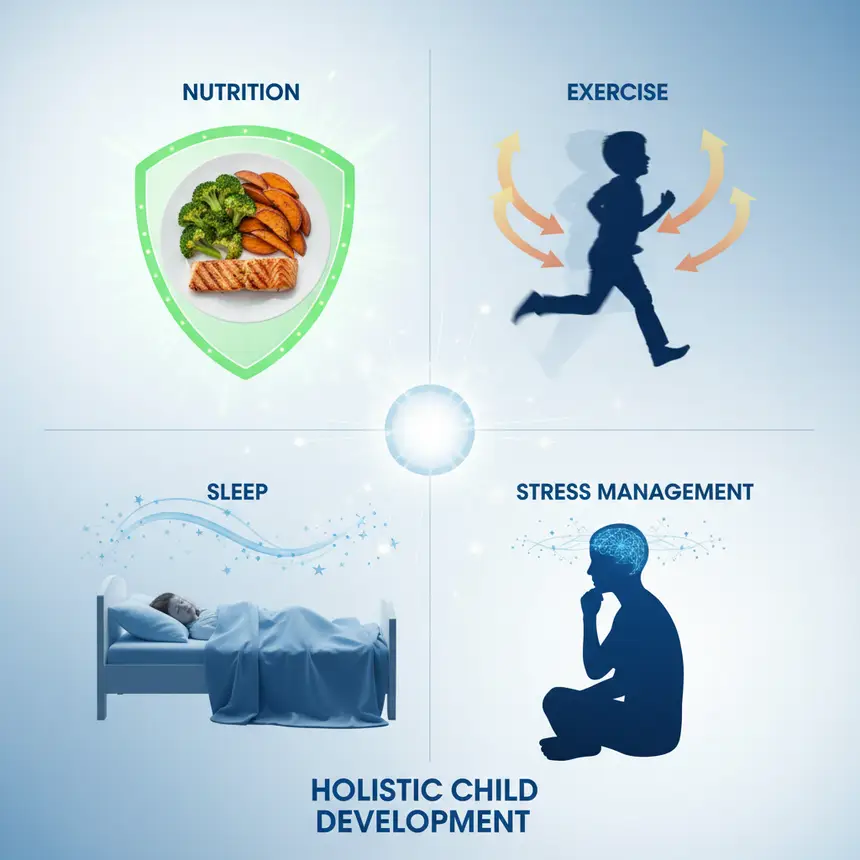
Guiding a child towards better posture and healthy growth requires a comprehensive strategy. Firstly, nutrition directly fuels muscle development and bone strength. Encouraging a balanced diet rich in protein and fiber-filled vegetables, while minimizing sugary snacks and excessive carbohydrates, is fundamental. Secondly, consistent physical activity is vital for strengthening muscles and enhancing flexibility, both essential for maintaining good posture. Make exercise enjoyable by incorporating play-based activities or structured sports that capture your child's interest. Thirdly, adequate, quality sleep is paramount for the secretion of growth hormones. Establishing an early and consistent bedtime, aiming for deep sleep between 10 PM and 2 AM, is highly beneficial. Finally, managing stress plays a significant role in a child's emotional stability and physical development. Creating an environment where children feel heard and fostering their confidence through positive experiences are invaluable.

Actionable Strategies for Parents to Implement at Home
As parents, you have many opportunities to support your child's healthy development right in your own home. For meals, lead by example; prepare healthy dishes together, perhaps experimenting with low-sugar snacks or fun vegetable-based recipes. When it comes to physical activity, engage in outdoor adventures or sports your child enjoys. For instance, designate regular times on weekends for family bike rides or trips to the park. To improve sleep habits, limit screen time before bed, and create a calming bedtime routine like a warm bath or reading a book together. Moreover, establish a safe space where your child feels comfortable expressing their feelings, and offer consistent praise for their efforts, no matter how small, to build a positive self-image. These consistent efforts collectively contribute to your child's holistic well-being.

Investing in Your Child's Journey Towards a Brighter Future
We've explored various strategies for fostering healthy posture and overall growth in elementary school children. Issues like childhood obesity and postural imbalances can extend beyond physical discomfort, potentially affecting a child's confidence and social engagement. When balanced nutrition, regular physical activity, sufficient sleep, and effective stress management are harmonized, children are empowered to reach their full developmental potential. A real-life example of a child who experienced 4.3cm of height growth, healthy weight management, and significant posture improvement – leading to reduced foot pain and a more outgoing personality – over eight months underscores the profound impact of these efforts. Your consistent attention and dedication as a parent are the most powerful catalysts for your child's healthy and happy development.
Frequently Asked Questions
Q. How does childhood obesity impact a child's posture?
A. Excessive weight places continuous stress on joints like the spine, knees, and feet, potentially leading to postural issues such as scoliosis or flat feet. This can create muscular imbalances, further perpetuating a cycle of poor posture and discomfort.
Q. What is the role of proper sleep in a child's growth?
A. Growth hormone is predominantly secreted during deep sleep cycles. Specifically, achieving deep sleep between 10 PM and 2 AM is crucial for a child's height development and physical recovery. Establishing a consistent sleep schedule is highly beneficial.
Q. What exercises can help improve a child's posture at home?
A. Aerobic exercises that engage full-body muscles, such as walking, running, or swimming, can strengthen core muscles essential for posture and improve flexibility. Additionally, simple stretching routines or child-friendly yoga poses are effective for correcting body alignment.
Q. What's the best way to improve a child's eating habits?
A. Focus on reducing processed foods and high-sugar snacks, and instead, increase the intake of lean proteins, and vitamin- and mineral-rich fruits and vegetables. The most effective approach is for the entire family to model and practice healthy eating habits together.
Q. Can stress affect a child's growth?
A. Yes, chronic stress can interfere with growth hormone production and may lead to unhealthy eating patterns, such as appetite loss or overeating. It's important to have open conversations with your child and provide positive experiences that help them manage stress and build confidence.